Choosing between merino wool and technical base layers
Wondering what the difference is between a technical and a merino wool base layer? And which one suits you better? In this post, we go through the options.
5 tips for buying base layers
- Choose the right material for how you'll use it: base layers come in merino wool, technical fabrics or a blend of the two.
- Merino wool feels warm even when damp and is easy to look after: merino base layers don't pick up odours easily, and airing them out after use is often enough.
- Technical fabrics move moisture away from your skin efficiently: a good choice for high-output activities such as cross-country skiing, running and cycling.
- Blends can combine the benefits: mixing merino wool with technical fibres improves durability and moisture transfer.
- Choose merino for low-intensity outings and everyday wear: when you're moving at a steadier pace or stopping for breaks, merino is often the more comfortable option.
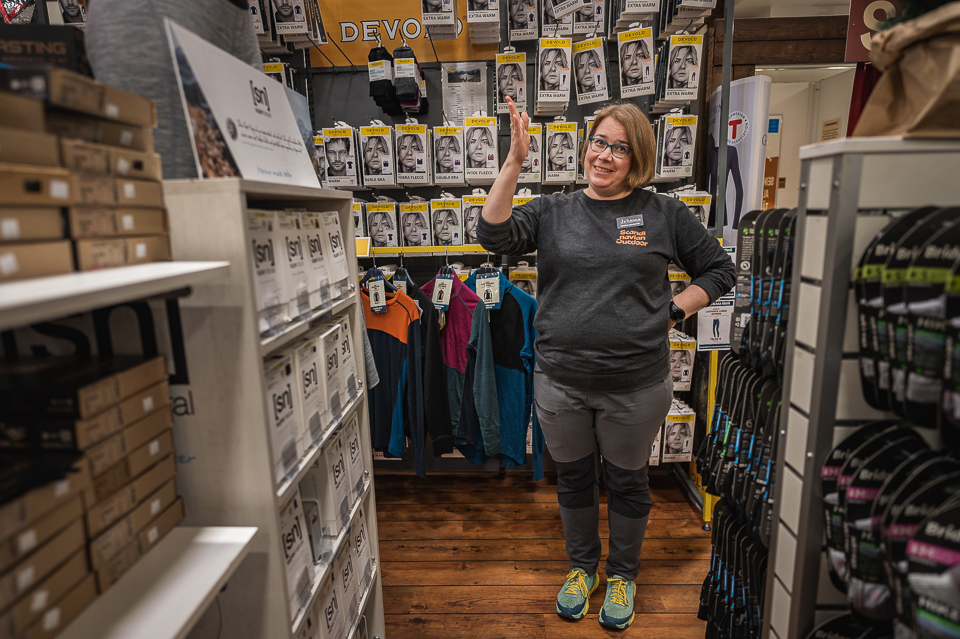
We visited our Kuninkoja store to ask Johanna which options we carry and what the practical differences between the various models really are.
When choosing a base layer, you have three material options: merino wool, technical fabrics or a blend of both. We went through each one and the activities they're suited to.
Merino base layers are the hiker's choice
Merino wool is a natural material, and its main strengths are that it feels warm against your skin even when damp and that it's low-maintenance. After use, a merino garment usually just needs airing out – it doesn't start to smell. Merino is “smoother” than ordinary sheep's wool, so it feels soft against the skin.
Merino wool base layers work well for activities where you alternate between working up a bit of a sweat and standing still. Merino moves moisture towards the outer layers, and the chill doesn't creep in, because even a slightly sweaty top doesn't feel cold. Low-intensity outings and hiking are where it fits best.
Merino also works for everyday wear. That said, 100% merino is less resistant to wear and tear than technical base layers, for example – which is where merino and technical fibre blends come in.
Read more about merino wool here.
Popular merino base layer brands we carry include Devold, Svala, Supernatural, Peak Performance, Mons Royale, Aclima, Smartwool, Odlo and Lasting.

The Lauparen range is Devold's lightest and also works in summer.
Devold's Lauparen range, for example, is 100% merino wool with a fabric weight of 190 g/m². That makes it suitable for slightly milder weather or more active use.
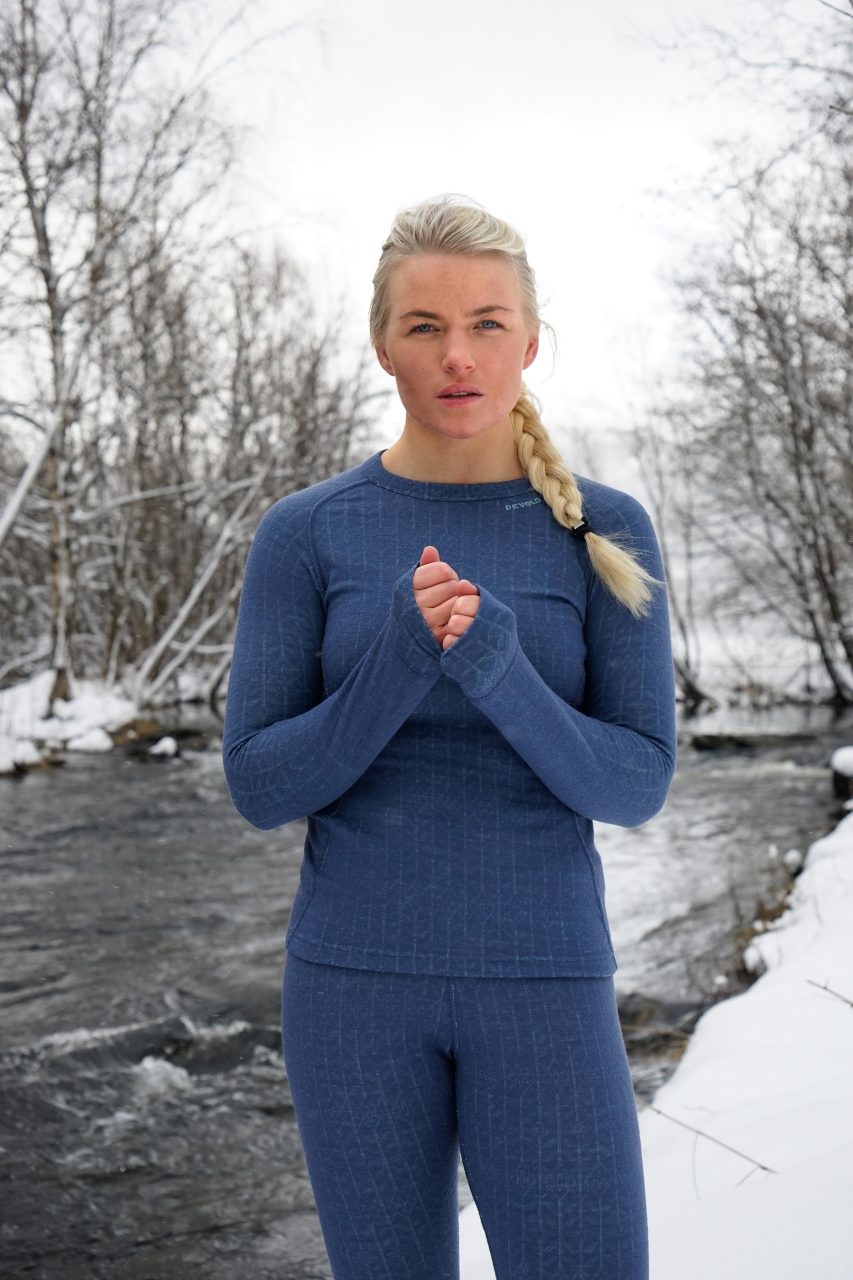
Duo Active has Thermocool fibre on the inside and 100% merino wool on the outside.
Devold's Duo Active range is a slightly warmer 205 g/m² blend. The inner face (20%) is Thermocool, a synthetic fibre made from 100% recycled material that moves moisture efficiently, while the outer face (80%) is 100% merino wool. The idea is better moisture transfer, and it's often a good fit if wool tends to irritate your skin.
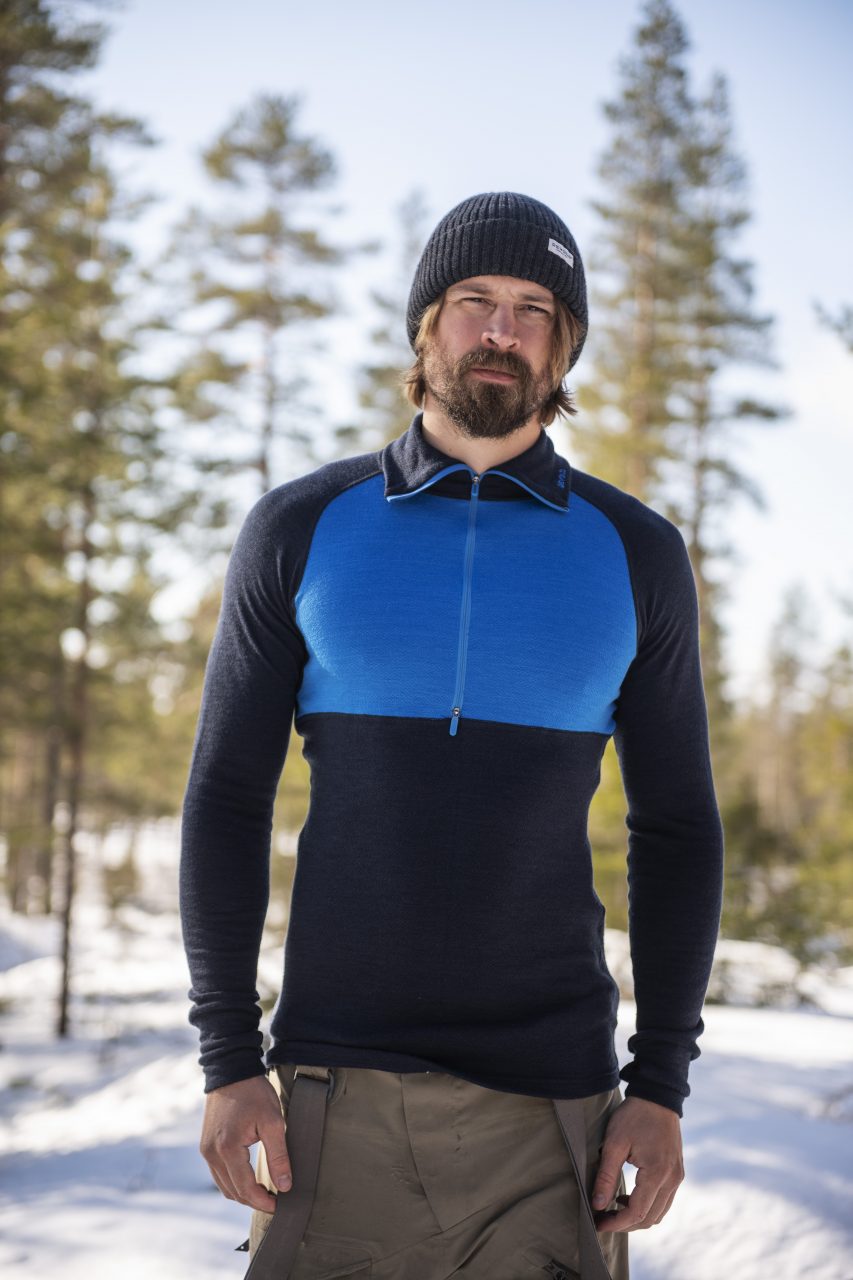
The Expedition range is Devold's warmest.
With a fabric weight of 235 g/m², Devold's Expedition range is the warmest of their base layers. It's built for hard frosts, and the tops also work as a mid layer. The inner fabric is 100% merino wool, while the outer face blends in 10% polyamide for added durability.
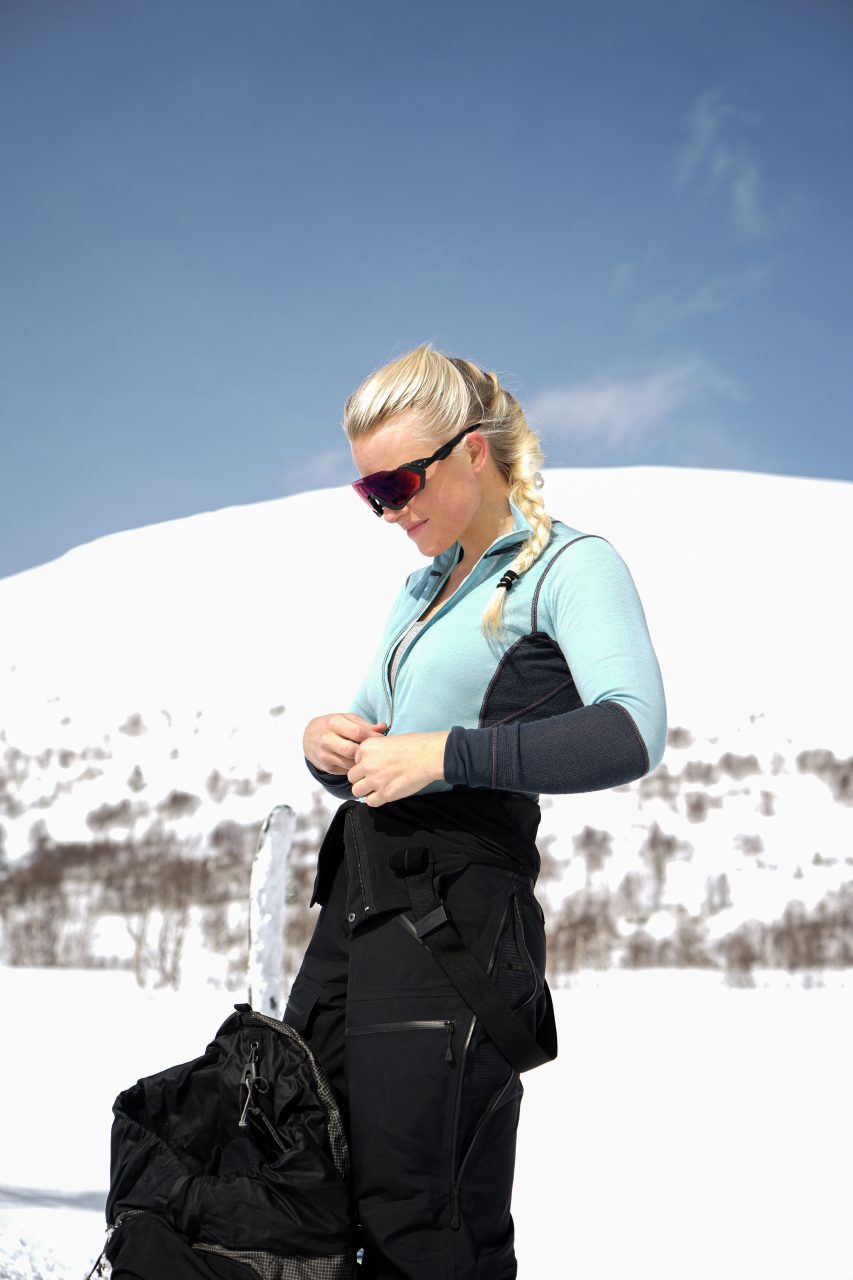
Devold's Wool Mesh range is popular with people who train hard.
Devold also offers the Wool Mesh range, which moves moisture better than standard merino base layers. A good choice if you want the comfort of merino but find heavier base layers hold on to too much moisture. Fabric weight 190 g/m².
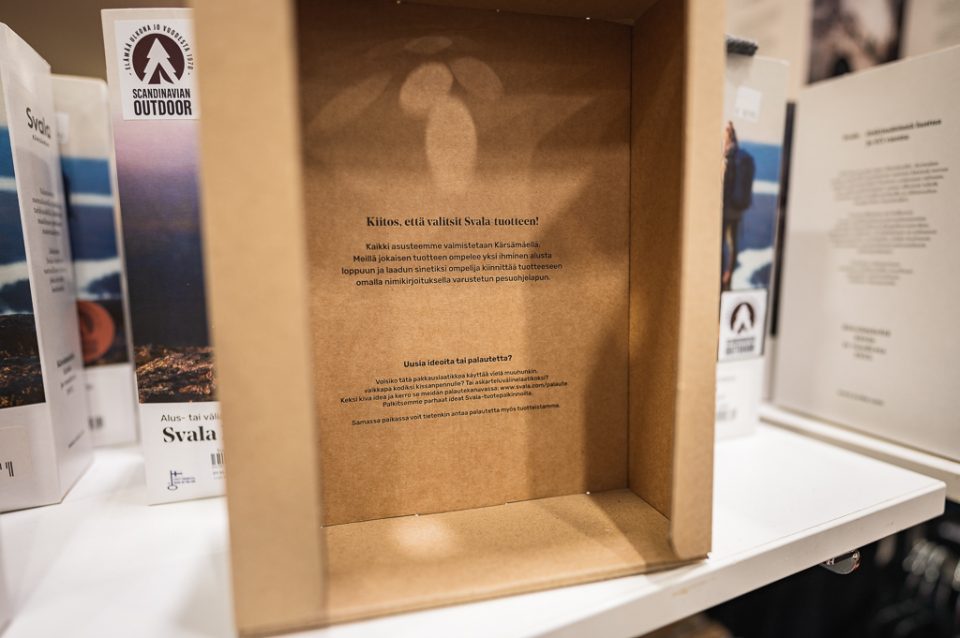
From Svala, we carry two collaboration products made in Kärsämäki, Finland: the unisex Merino Wool Top SO and Merino Wool Pants SO. The fabric is 75% Italian merino wool, 22% polypropylene and 3% polyamide. A moisture-wicking polypropylene layer sits against your skin, while the outer face is SuperWash-treated, moth-proofed merino wool.
Supernatural's Base layers use a comfortable blend of 48% wool, 48% polyester and 4% elastane. The blend makes the fabric more durable and stretchier. At 175 g/m², they suit milder winter days and people on the move.
For women, Lasting offers the Wasa leggings – very warm long johns in 100% merino wool with a fabric weight of no less than 260 g/m². The Ataka model, on the other hand, is a lighter 160 g/m² in extra-smooth 100% merino wool. The men's equivalents are Wicy and Atok.
Technical base layers for high-output activities
Technical fabrics move moisture away from your skin efficiently, but if you stop for any length of time, they usually start to feel cold against your skin. That's why technical fabrics are the one to pick for skiing, running and cycling, while merino is usually more comfortable for hiking and gentler outings.
That said, technical base layers are often cheaper and may stand up to heavy use better than 100% merino.
On the technical side, our brands include Halti, Svala and Odlo.
Among Halti's most popular base layers are the affordable Avion sets in Active Dry fabric.
Svala's Mesh is a favourite with many active people. The mesh fabric is extremely breathable and works really well as part of a layering system.
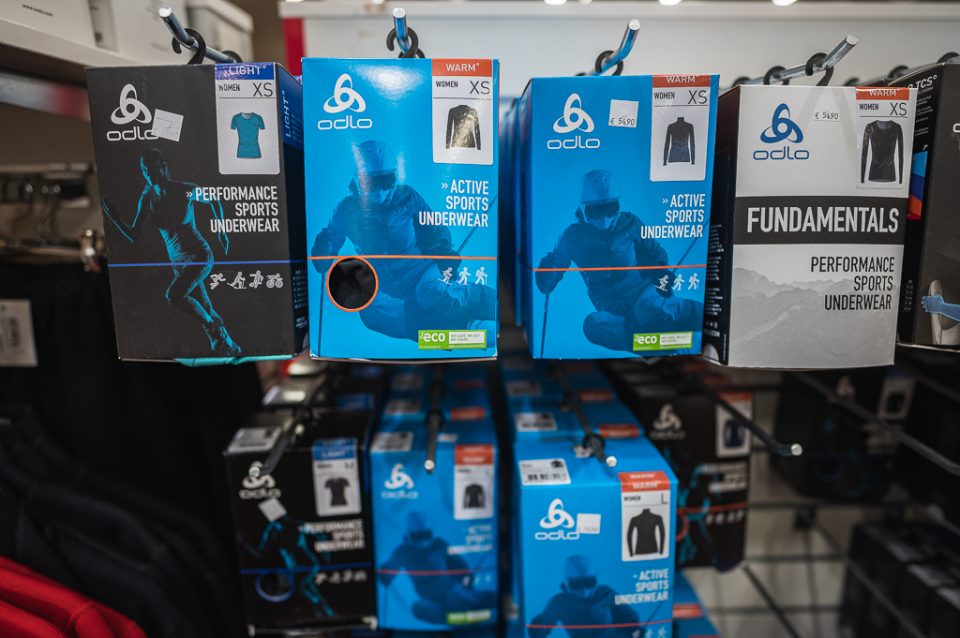
Odlo's Performance range comes in black packaging and Active in blue. The side of each box also shows icons for the activities it's best suited to.
Norwegian brand Odlo makes a wide range of interesting technical base layers. Odlo splits its base layers into several categories, and we stock the Performance and Active ranges.
The Performance range has a slim fit and uses body mapping technology. In other words, the fabric varies in thickness across different parts of the body, so you get warmth where you need it. This range is aimed at people doing high-output training.
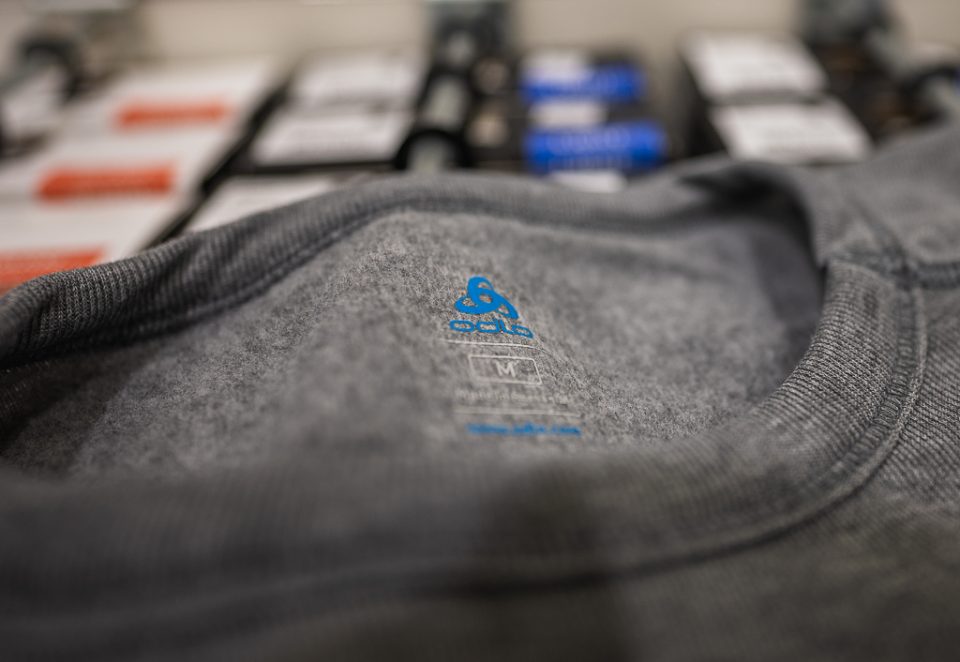
Base layers in the Active range have a lovely soft inner face.
The Active range has a more relaxed, casual fit and suits people who like to stay active.
Choosing the right base layer
To sum up: technical fabrics are better suited to high-output activities, while merino comes into its own when you're moving at a lower intensity. That said, there are so many hybrids of the two that choosing a base layer isn't quite so black and white.
Technical fabrics move moisture more efficiently, but merino stays warmer when damp. Technical fabrics are also generally cheaper than merino.
Combining merino with technical fibres creates hybrid products. Polyamide, polypropylene and polyester, for example, add durability and moisture transfer, while elastane adds stretch.
Drop by one of our stores or visit our online store to find the right base layer for you.
Rule of thumb: about 150–200 g/m² for moving, 230 g/m² or more for cold and standing still.
Our picks
- Devold Expedition Merino 235 Long John Man – warm, for winter and standing still: 235 g/m², 100% merino wool outer face
- Lasting Men's Kero Tee – light, for moving fast: 160 g/m², 97% merino and 3% nylon for durability
- Lasting Women's Hile Tee – light, for moving fast: 160 g/m², 97% merino and 3% nylon for durability
- Svala Airbase Raglan Long Sleeve – for active use: 120 g/m², silver-ionised polypropylene mesh knit
- Svala Airbase Pants – for active use: 120 g/m², 100% polypropylene, silver-ion treated and antibacterial