Merino wool is naturally technical
A merino wool garment is usually the first choice for hikers and outdoor enthusiasts. But many people aren't quite sure how merino wool is made, or what its much-praised properties actually mean in practice.
Hikers have found that merino works well in summer too. A merino top, for example, protects you from the sun, breathes well and feels comfortable, and it doesn't smell bad even when damp. Drying and airing it is usually enough, and it's ready to go again.
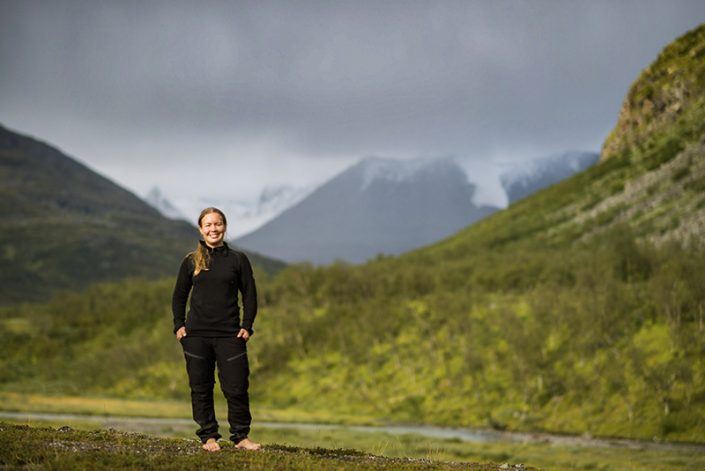
Properties of merino wool fibre
Merino wool is shorn from merino sheep, which grow only soft underwool. Breeding of the sheep began as early as the 12th century in south-western Spain. Merino wool production was an important industry in Extremadura, where the sheep were a closely guarded national asset. Spain still held a monopoly in the 16th century, after which the breed spread first to England and eventually to distant countries such as New Zealand and Australia.
Merino wool is very soft, and each fibre is extremely fine. Fibre diameter is measured in microns, or micrometres (µm). One micron is a millionth of a metre, or a thousandth of a millimetre. A merino fibre is typically around 24 microns thick, compared with 30–45 microns for ordinary wool. Finer merino fibres of 11.5–15 microns are used in cashmere and silk blend textiles. Merino staples are also longer than ordinary wool, averaging 65–100 mm.
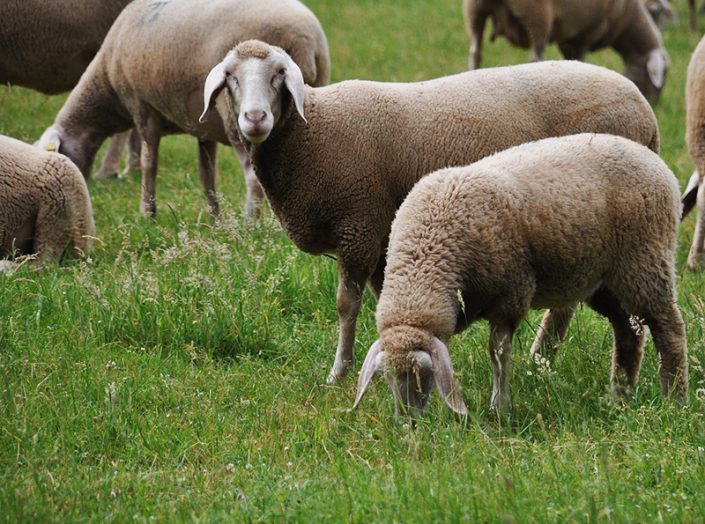
Wool grades follow a simple rule: the finer and longer the fibre, the more valuable the wool. These properties largely determine what kinds of yarn and fabric can be made from it. Wool products often “pill”. Loose fibres collect on the surface of the fabric and tangle together, and the shorter the fibre, the more pilling you get. The natural crimp of the fibre gives it stretch, and its scaly surface allows it to felt. Inside the fibres are tiny pockets that trap the warm air your body gives off. That is where merino's warmth comes from.
Merino wool in practice
Merino is a very popular material in hiking and outdoor clothing. It's warm, breathes well and wicks moisture efficiently, and it still feels warm when wet. Good-quality merino is easy to care for, and the soft fibre doesn't itch the way coarser wool does. Merino is also less flammable than synthetic fibres.
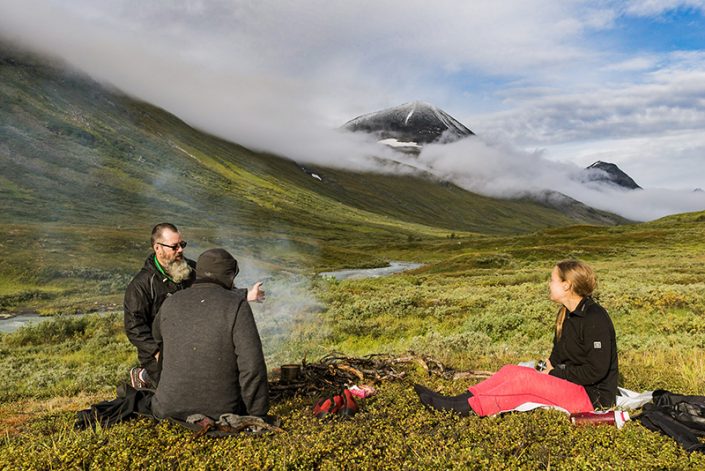
In cold weather, merino base and mid layers are a firm favourite with people who spend time outdoors. Merino keeps you warm and moves moisture away from your skin towards the outer layers of your clothing. Merino base and mid layers come in different weights. The heaviest suit the coldest conditions, and the lightest can even be worn in summer.
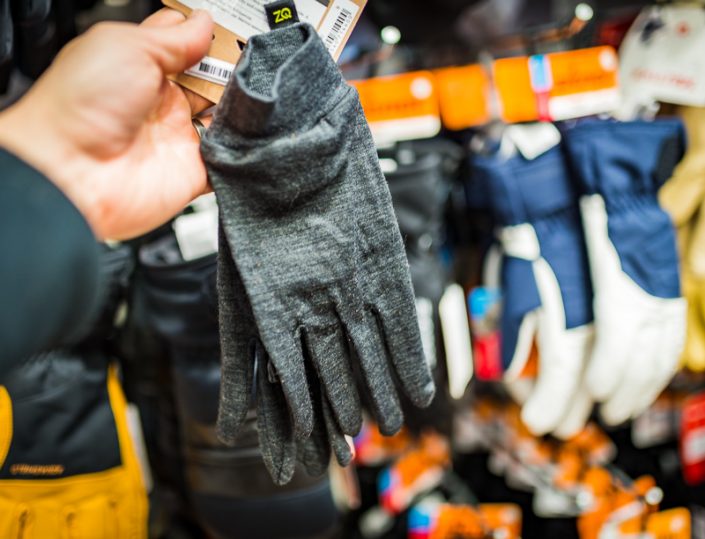
Merino is also used in hats, gloves and socks. In hats, its softness is a bonus on top of good insulation. Gloves, especially liner gloves, make good use of merino's properties. A merino liner works well inside a thicker winter glove. It adds softness and warmth, moves moisture to the outer layers and still feels warm when wet.
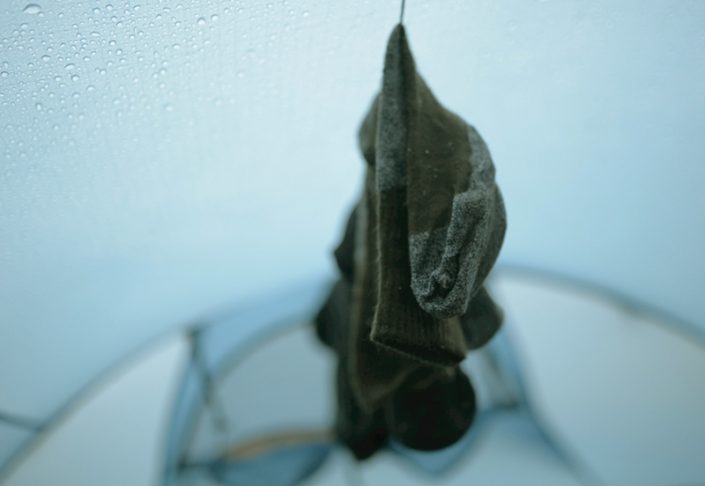
Many merino products earn their place in your summer kit too. Merino hiking socks are a good example. They breathe well, and on a multi-day trek you can dry them overnight and put them on fresh the next morning.
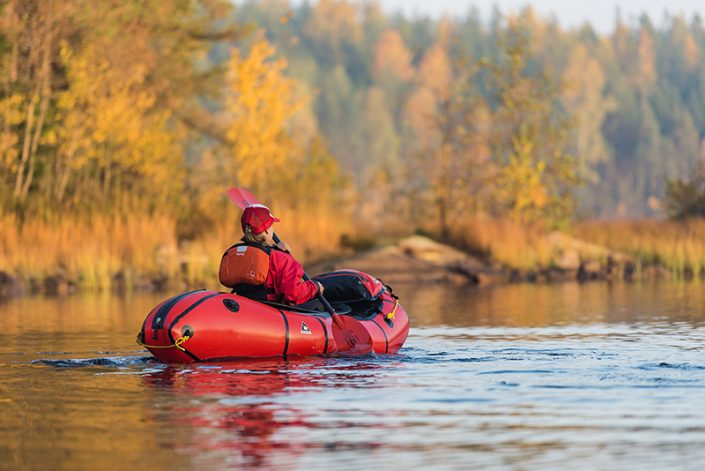
Under a drysuit, for fishing or paddling, a good merino base layer matters for safety as well as comfort. Cotton feels very cold against the skin, especially once it gets wet. That's why people say “cotton kills”.
When you get dressed, remember the three-layer system. Even the warmest merino base layer won't keep you warm if the rest of your layering isn't right.
Caring for merino wool
One of merino's strengths is how easy it is to look after. Merino is naturally antibacterial, so after use, airing is usually all it needs. It doesn't start to smell the way synthetic fabrics do. Wash your merino as little as possible to protect the wool's natural lanolin and antibacterial properties.
Before washing, always check the manufacturer's care and washing instructions first. As a general rule, wash at 30–40°C, ideally with a liquid wool detergent (such as Nikwax Wool wash). Don't use fabric softener or a tumble dryer.
Ethics and sustainability of merino wool
Merino wool is a renewable natural material that biodegrades, and it contains no plastic compounds. It is an animal product, though, so it's worth thinking about where the wool comes from.
Merino sheep are troubled by parasitic blowflies, which cause conditions such as flystrike (myiasis). Some Australian producers have responded with a procedure called mulesing, which surgically removes skin from around a lamb's rear end without anaesthetic. The tail is docked during the same operation. The resulting scar tissue helps prevent flystrike, but the procedure is extremely painful.
We choose the manufacturers in our Scandinavian Outdoor merino range from responsible, ethically operating brands. All the merino products we sell are made from wool sourced from mulesing-free farms, so no mulesing has taken place.
Merino clothing brands we trust
For base layers, our most popular merino brands are Aclima, Svala, Devold, Helly Hansen, Lasting, Peak Performance, Mons Royale, SmartWool, Supernatural and Odlo.
For hats, try brands such as Buff and Super Yellow.
We also stock merino mid layers, jumpers, neck gaiters, hiking socks and gloves.
You're also welcome to come and see our merino products in person at our stores!