Planning a hike — what do you need to think about?
July heat is on its way to southern Finland, and the best hiking season of the year is only just getting started. Now is a good time to plan your next adventures and maybe get your hiking gear and clothing into shape.
Basic outdoor skills are best learned on day trips and weekend trips, but once you've caught the bug, it's time to lace up your hiking boots.
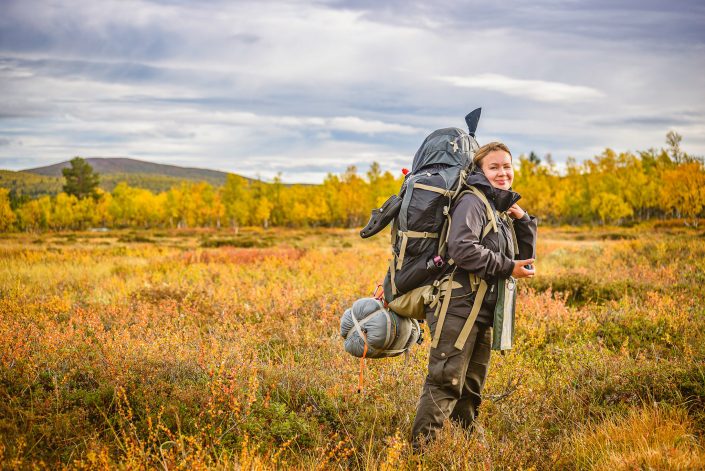
A happy hiker surrounded by the beautiful autumn colours of the Muotkatunturi Wilderness Area.
I've always believed there's no single right way to hike, so there's certainly no single right way to plan a hike either. I try to head out in different seasons, in different terrain, with different gear and in different styles. That keeps the hobby fresh, you keep learning, and you get a clearer idea of what you like and what you don't.
When I talk about a trek, I mean a trip of more than three nights where you carry all your gear yourself and usually move camp every day. The reason is simple: trips are easiest to sort into categories – day hike, overnighter, weekend trip and trek. A day hike means no night out, an overnighter means one night, a weekend trip takes two nights, and a trek is three nights or more.
Below, I'll go through the things I think about when planning a trek. Planning, by the way, is one of the best parts. It's great to have a stock of ready-made plans and then pick the right one when the time comes.
The timing of your trek sets the requirements for your hiking clothing and gear
You can hike all year round. Lapland, a favourite destination for many, has eight seasons, and every one of them is worth experiencing on foot. The year starts with spring, when the snow melts fast and the days grow longer by the week. Spring is followed by early summer, when nature wakes up from its winter sleep – the start of summer proper. Then comes summer itself. It doesn't last long in Lapland, and it brings mosquitoes and heatwaves. After summer comes late summer, when things cool down, hiking usually gets more comfortable and the mosquitoes disappear. The autumn colours in Lapland are often at their peak in autumn, around the second week of September, when the autumn rains begin. In early winter, night frosts set in, maybe some snow too, and temperatures drop sharply. Winter is the time of the beautiful polar night: it snows almost daily, the days are short and there are only a few hours of daylight. Late winter usually starts around March and brings the best skiing conditions – days can be well above freezing and nights below, and the nights get lighter and the days longer.
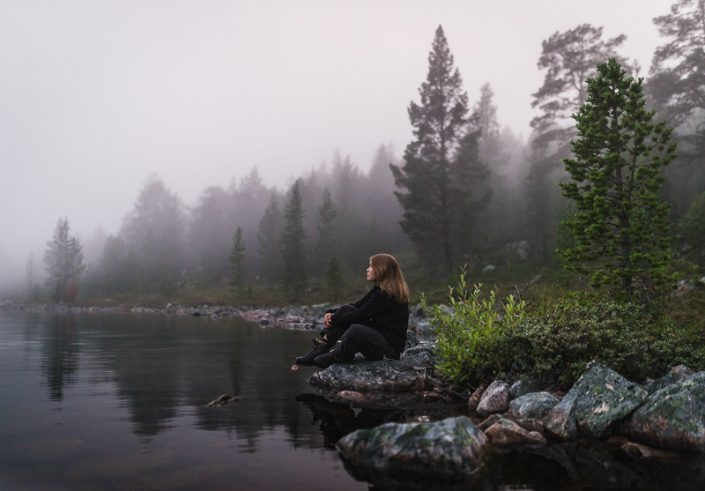
Taking in the misty weather deep in the Vätsäri Wilderness Area.
The season usually dictates your needs, and those largely decide your hiking clothing and gear. No two years are alike, and the timing of the seasons often varies a lot, so keep an eye on the forecasts and choose according to the conditions. Especially at higher altitudes, always be prepared for the worst. In the mountains, you can run into winter conditions even in summer. In winter, start following the snow situation a couple of weeks before you set off on a ski trek.
Choosing your destination and route is often the most fun part
Finland and the other Nordic countries offer hiking destinations that are spectacular even by world standards. In Finland, people mostly hike in national parks, hiking areas, strict nature reserves and wilderness areas. The most important thing is to check the local rules, as they vary from place to place. The best tool for this is the luontoon.fi website, run by Metsähallitus, Finland's state forest and parks agency.
Handy map services for planning routes and destinations include retkikartta.fi, karttapaikka.fi and the new, still-in-development and promising-looking matkailukartta.fi.
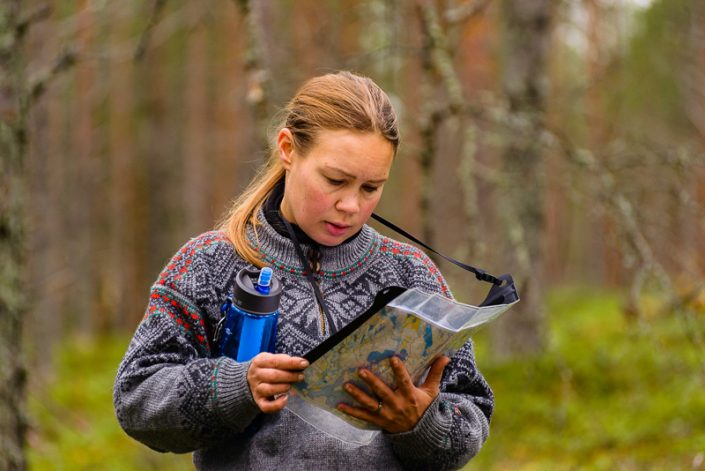
On the Bear's Trail (Karhunpolku) in eastern Finland, near Patvinsuo National Park.
Lots of people ask for hiking trails in Facebook hiking groups. Finland has plenty of them, and they're the right place to build your skills to begin with. Personally, though, I prefer places far from the trails and far from other people. I plan a rough route on the map and often adjust it a bit along the way. I try to squeeze in every spot that looks interesting on the map beforehand. Now and then I ask for tips on great places on forums and from friends.
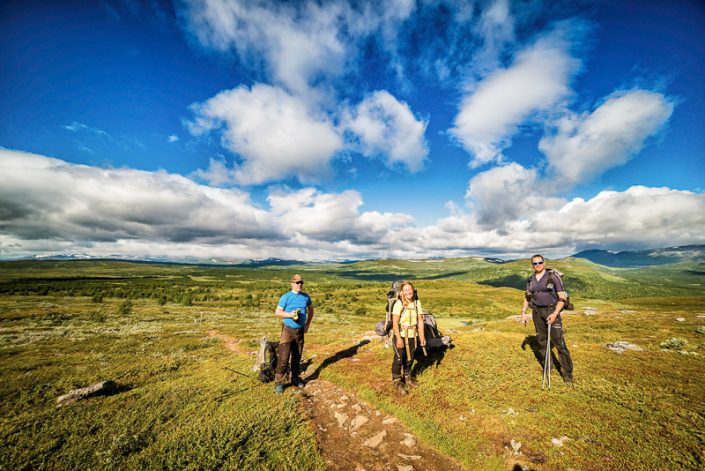
Sweden's famous Kungsleden is a popular hiking trail.
How far you get each day depends a lot on the terrain, your load, your condition on the day and your mood. On marked trails you'll also move faster than when navigating cross-country through forest. I usually suggest that beginners plan for no more than 10–15 km a day. Push too far right at the start and hiking can end up feeling more like a chore than a hobby.
Before setting off, I try to get the big picture of the area's map into my head. I ask myself: if I get lost, or for some reason have to get myself out without a map, what are my options? Wilderness areas are usually bordered by a road, a river or something similar – worth memorising.
National parks offer good facilities
Finland has 40 national parks, and they're favourites for many hikers. Each park has its own rules. Typically, you may only camp and light fires at designated sites, and you're asked to stay on the trails. National parks usually have good fire sites with a firewood supply, toilets at the campsites and well-marked trails. Note that camping isn't allowed in every national park – always check the rules in advance.
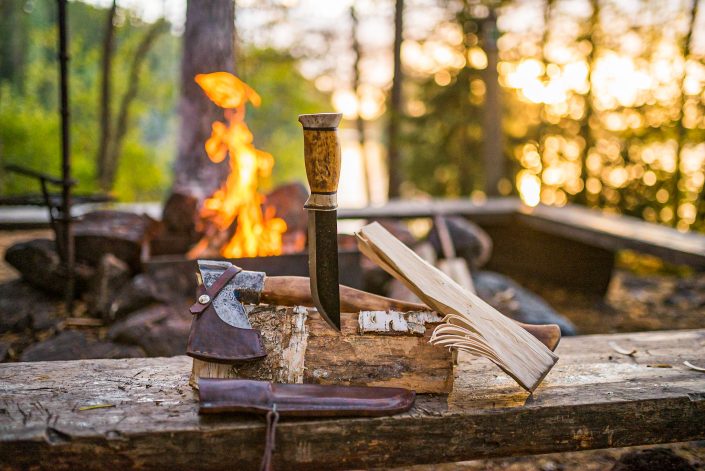
By the fire at a fire site in Liesjärvi National Park.
Thanks to their good infrastructure, national parks are well suited to beginners. Lean-to shelters and fire sites are well maintained. We usually visit national parks outside the peak season, when the trails are nearly empty and you have the shelters to yourself. In peak season, the most popular parks can even get a little “crowded”.
Hiking areas have their own rules
Metsähallitus maintains seven hiking areas in Finland. Many former hiking areas have been turned into national parks. Hiking areas are easy to overlook when you're choosing a destination. I've only been to three on the list myself, but I can recommend each one as a varied destination.
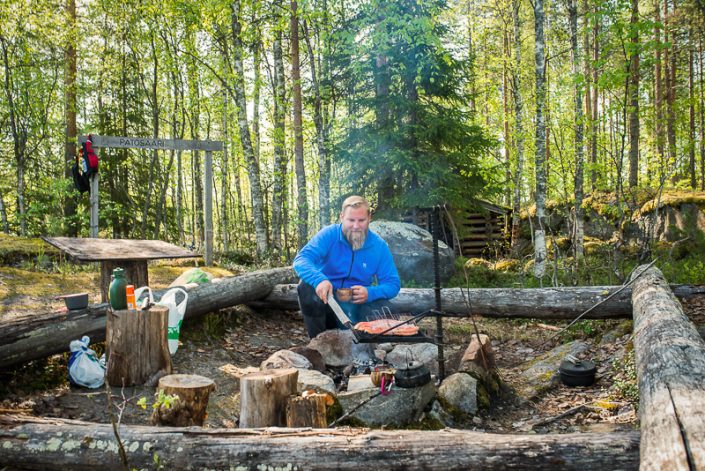
Ruunaa Hiking Area has wilderness scenery, great fire sites, good fishing and a fantastic river for whitewater paddling.
Strict nature reserves have strict rules and restrictions
Strict nature reserves are home to some impressive sights. Some are completely closed to the public. Others are open for day trips only, and a few, such as Kevo Strict Nature Reserve, allow overnight stays. Movement is usually limited to the trails and the rules are very precise. Take care not to do anything that's prohibited.
Wilderness areas are the main destinations for experienced hikers
Finnish Lapland has 12 stunning wilderness areas. There are hardly any marked trails, so you navigate yourself. There are usually a few open wilderness huts, but there may be no paths leading to them. In wilderness areas you can generally camp wherever you like, and you can light fires fairly freely, with a few restrictions. Naturally, no fires are allowed when a forest or grass fire warning is in effect.
Wilderness areas aren't necessarily the best choice for your first trek. You need solid navigation skills and experience of challenging weather.
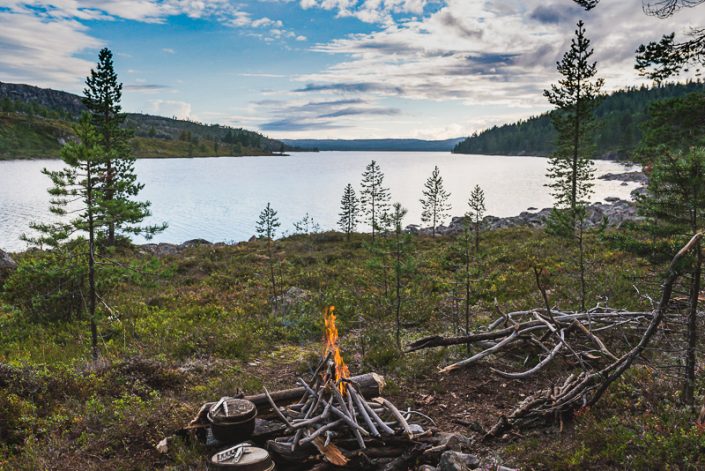
The beauty of the Vätsäri Wilderness Area. No crowds, no rush.
My goal is to do three treks in every wilderness area: a winter trek, a paddling trek and a regular trek on foot. That way you experience each area in different seasons and across different terrain. In winter you travel a lot over bogs and lowlands, by paddle you follow the waterways, and summer treks on foot often take you up onto the fells and the highest ground.
The best season for paddling trips is the Lapland spring, which varies a little from year to year but falls around June. That's when river flows are at their best. The best times for hiking are early June before the mosquitoes arrive, and then again from August onwards through the autumn colours.
Sweden and Norway offer real mountains
If you want something very different from Finland, yet somehow familiar, Sweden and Norway have a lot to offer. In my opinion, the world's best hiking destinations are in the Nordic countries.
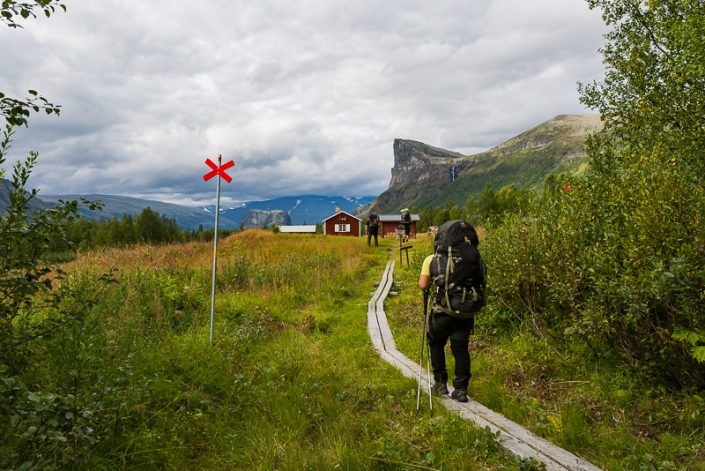
Aktse mountain station near Sarek National Park in Sweden.
Sweden is a good place to learn how to handle mountain terrain, for example by hiking the Kungsleden from one mountain station to the next. As an STF member you get the stations' services at a lower price, and even if you're not a member, you can often buy trail food and treats there.
Swedish national parks differ from Finnish ones in that they're more like our wilderness areas. Sarek and other mountainous areas are demanding terrain and take some getting used to and some new skills.
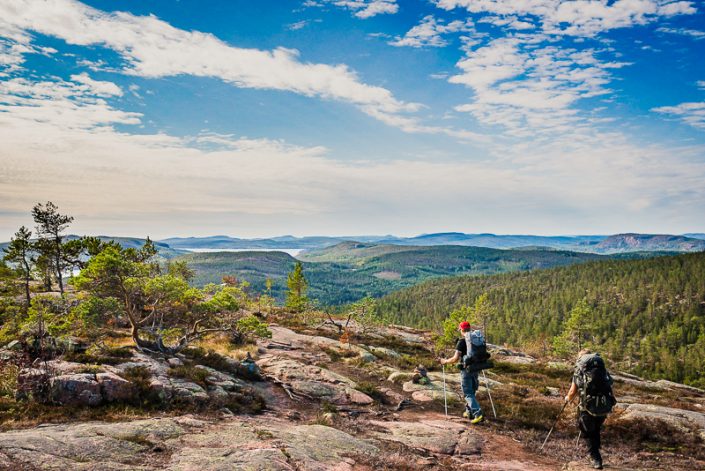
One interesting destination in Sweden is Höga Kusten, home to the beautiful The High Coast Trail.
Solo or in a group?
Many hikers are used to going solo and enjoy the kind of freedom you only get on your own. Others struggle to find company for their treks. Facebook hiking groups can often help with that.
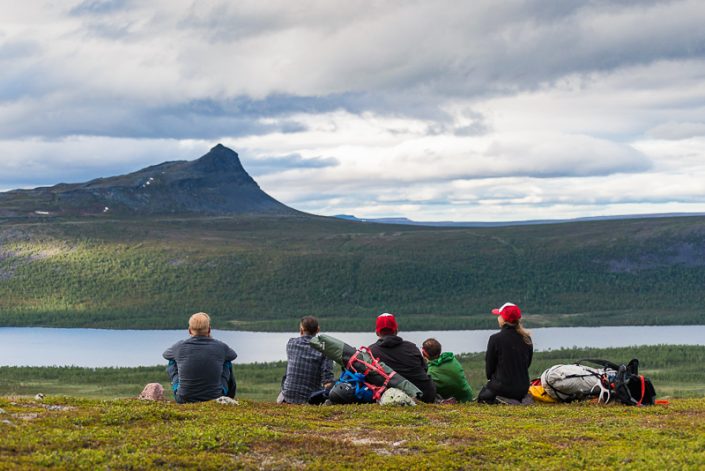
A five-person packraft team looking for the upper reaches of the Kaitum River in northern Sweden.
I realised fairly quickly that I enjoy treks most when my wife comes along. We work well as a team and have been through a lot together. Soon we started making like-minded friends too, and I found that shared experiences are the best ones. So these days we try to bring along as many friends as we can.
Travelling in a group has its own challenges, though, especially in an extreme sport like packrafting. On packrafting trips, a good team is a safety essential. A good team works together the whole time and looks out for each other. A good team practises safety drills during the trip and holds a daily briefing where decisions are made together. A proven packraft team size is around four people – a few more is fine, but preferably not fewer.
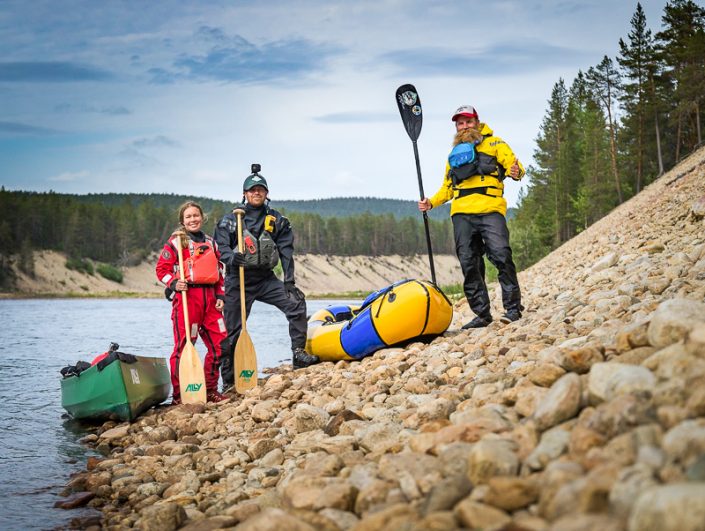
Our three-person Ally/packraft team worked brilliantly on the Ivalo River. A friend was always there to help, even when you didn't think to ask.
I've learned that before a long trek together, it pays to test the group's chemistry on a shorter trip. Do you share a similar rhythm? Do you want the same things from the trek? For some people, covering long distances and treating the trek as training matters most; others want to move slowly and savour it. As a group, we agree on the style of the trip in advance: light or heavy packs, and which shared group gear we'll split evenly between us.
There are many ways to trek
The style of a trip is often decided by whether you're travelling on foot, on skis or by canoe/kayak. The season, weather and destination bring their own challenges, but you can also choose your style before you go. You don't always have to stick to the same routine.
Before a trek we often ask ourselves what we actually want. Do we want to clock up as many kilometres as possible with light gear, or take it easy with shorter stages and enjoy more good food (read: heavy), and so on.
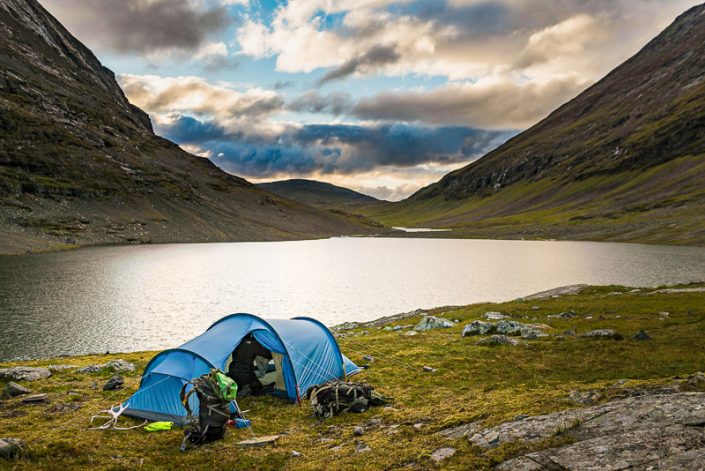
A nameless lake and a beautiful campsite in Sarek National Park, Sweden.
I own three backpacks, with a fourth on order. There are already six tents in my gear room. Add a couple of pairs of skis, a packraft, three pulks and shelf after shelf of hiking gear. Sounds crazy, but this kit makes all kinds of trips possible, in all kinds of styles.
My view is that putting money into your hobbies makes sense. They don't pay you back in cash, but they give you experiences bigger than life. And you won't be lying on your deathbed wondering why you never followed your dreams…
What to eat and drink on a trek?
This question comes up all the time, and it's a common one in Facebook hiking groups too. Again, there's no single right answer. In principle you can eat the same food you cook at home, buy ready-made trail meals, or do something in between. Ready meals are the easy option, but trail food can be more varied – it's up to you how much time you want to spend cooking.
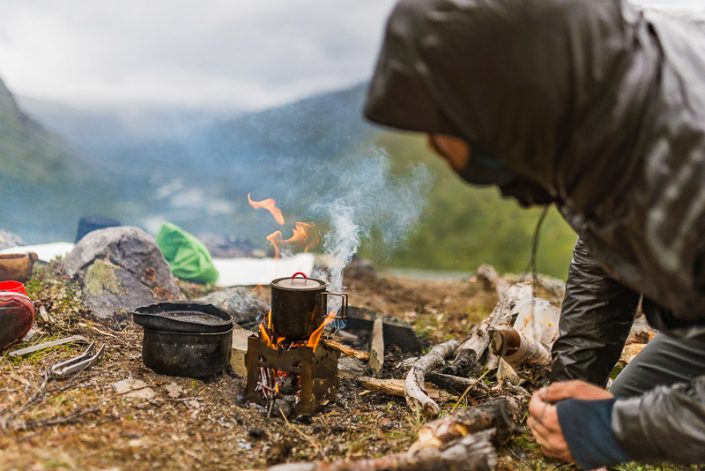
Cooking on a wood-burning stove has more atmosphere.
To cook, you'll usually need some kind of stove – options include gas, petrol, alcohol and wood-burning stoves. Above the treeline in the warmer months, a gas stove is usually the best choice; in winter, a petrol or multi-fuel stove is more reliable. An alcohol stove is one of the cheapest options and used to be the most common, but gas stoves have all but replaced them thanks to their speed and efficiency. Few people use wood-burning stoves – they take a bit of practice and a destination with plenty of twigs – but alongside an open fire it's my personal favourite. Note that wood-burning stoves are no longer allowed on Metsähallitus land when a forest fire warning is in effect.
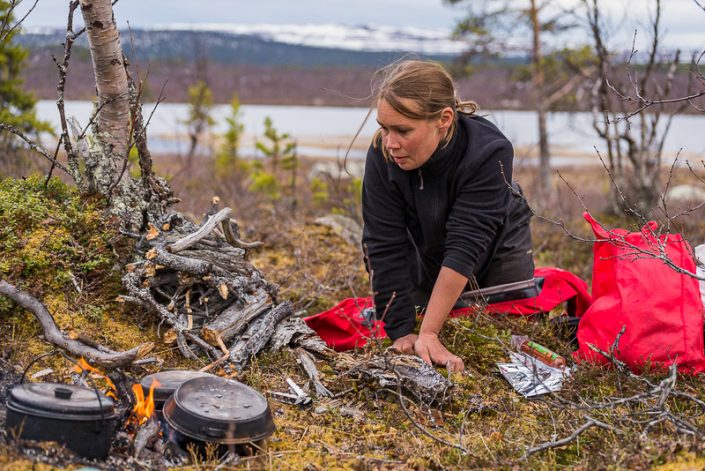
Dinner cooking over the campfire in the Sjaunja Nature Reserve, deep in the wilderness of Swedish Lapland.
On our trips, my wife and I mostly eat vegetarian and vegan food, with a bit of meat now and then. Plant-based food is lighter, keeps better and, in my view, tastes better than meat dishes. Sustainability has also pushed us towards vegetarian food. We usually dehydrate our vegetables at home and pack ready-made meal bags (in waterproof zip-lock bags), each holding one day's food for two people. That also makes it easy to bring the right amount of food. Sausages stayed on the supermarket shelf years ago – they're heavy for the nutrition they provide.
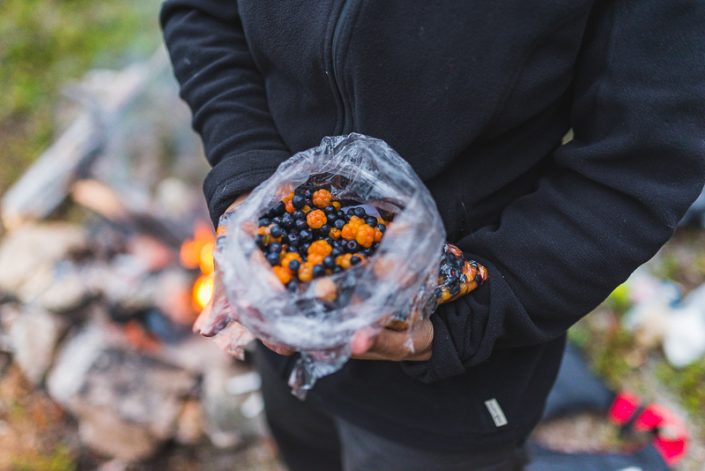
Summer brings berry season, when the forests are full of treats.
It's always recommended to treat your water. Personally, though, I drink mostly straight from lakes and streams, after a quick check by sight and smell. The best drinking water comes from a cold, fast-flowing stream. There's always a risk of picking up a bug, so one day I'll no doubt be spending a long time crouched in the bushes.
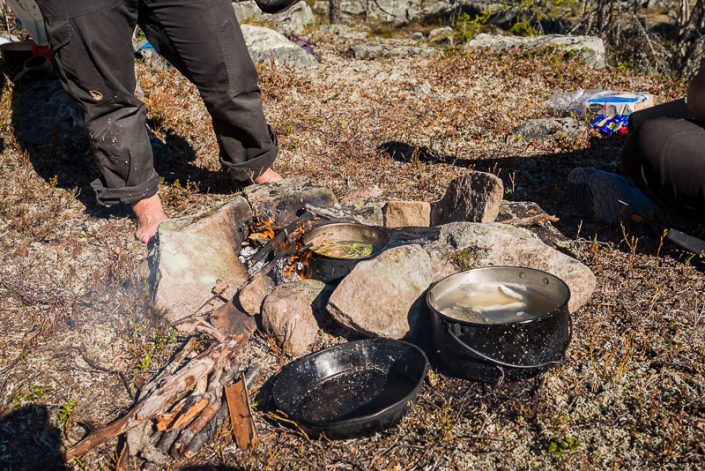
Freshly caught grayling, with fireweed cooking as a side.
You can treat water by boiling it – above roughly 80 degrees, almost all bacteria are killed. The safest option, though, is to let it boil properly for a while. Other options are filters and tablets. We use a BeFree filter and a LifeStraw bottle. The LifeStraw bottle is great for paddling, as you drink straight through the filter. I've drunk water from the Vantaa River and from the muddy Colorado River in the Grand Canyon with it. The BeFree, on the other hand, is a fast, easy filter when you want to fill a larger container.
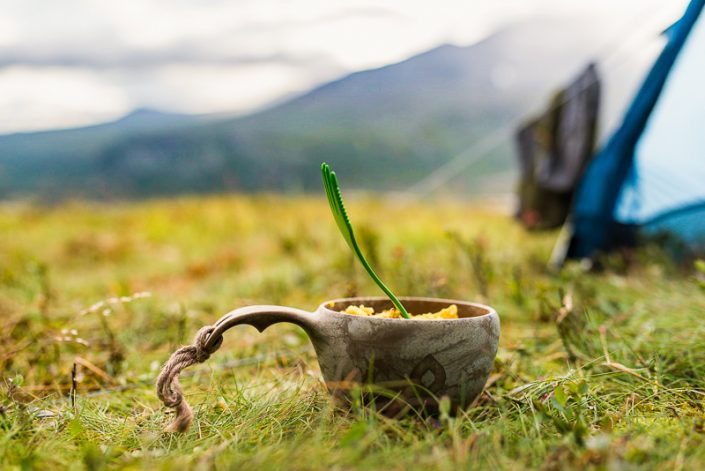
You'll of course also need camp cookware: a pot to boil water and cook in, plus something to eat with – a cup and a spoon have always been enough for me. I often bring a kuksa, a traditional wooden cup, for coffee, and now and then I knock back an aperitif or an after-dinner drink from it (if you know what I mean).
Choosing your shelter
We've written about choosing a shelter in our Life Outdoors tips here. I'm a big fan of a tarp as a shelter, although it doesn't really work above the treeline and isn't the best choice in peak bug season. In those conditions I usually use my ultralight shelters, with a tunnel tent as the next choice.
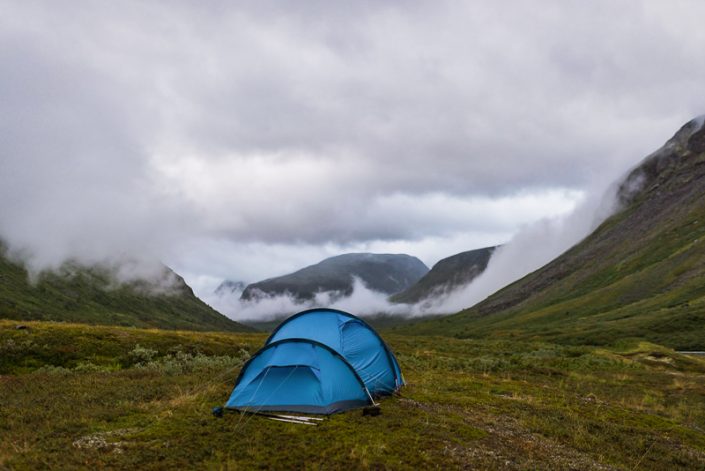
A tunnel tent works well in the northern wilderness when pitched with its long side parallel to the wind. Tunnel tents often have a roomy vestibule (porch) too, where you can carefully cook in bad weather.
Safety on the trail
I don't want to scare anyone with risks, but they're always worth talking about. For risk management I've used a matrix that also works for trekking. It helps you think through what risks exist and what you can do about them.
You obviously don't need to fill one in for every trek, but thinking it through with a matrix is easier for me. I've gone through every risk I can think of and placed them in the matrix. For each risk, ask whether it can be reduced somehow and what you'll do if it happens. After doing it once, you start picturing them without the matrix.
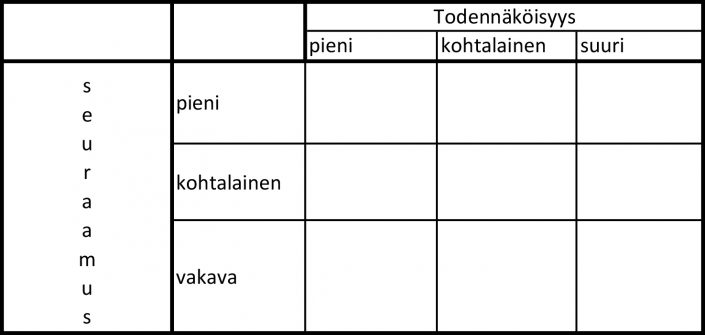
You then place the risks you've identified in the matrix. For example: Falling while walking: likelihood might be moderate and consequence moderate. Capsizing in a rapid: likelihood could be high and consequence serious. When the cross lands in the bottom right corner, you need to do something to reduce the risk – or skip that activity altogether.
We've responded to the capsizing in a rapid risk in the following ways: we portage around the worst rapids, we practise our whitewater skills constantly, we've completed a Rescue 3 swiftwater rescue course, and we train rescue techniques and swimming in rapids a lot. We also carry the necessary swiftwater rescue equipment.
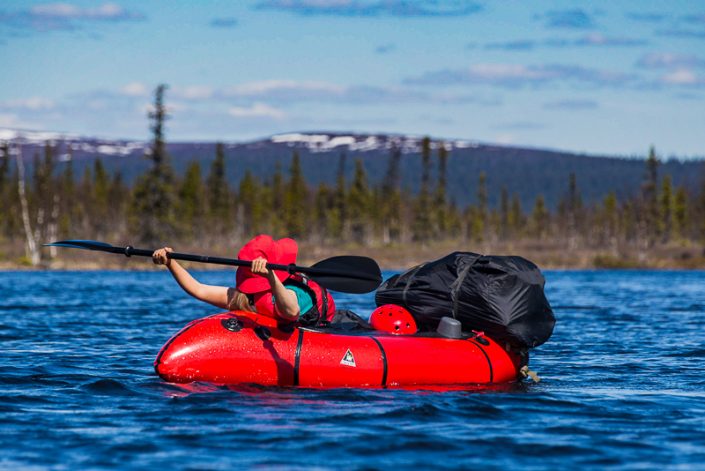
Once you've thought the risks through, you can relax a little more.
Some risks are material, like gear or clothing breaking. You can prepare for that with repair skills and kit, as well as insurance. Speaking of insurance: always check before you leave that it covers incidents on a trek.
Trekking packing list
People often ask for trekking packing lists too. Take them with a pinch of salt. Everyone should decide for themselves what to carry and what to leave behind. They're still useful as a guide, so here's my own list – just remember my warning.
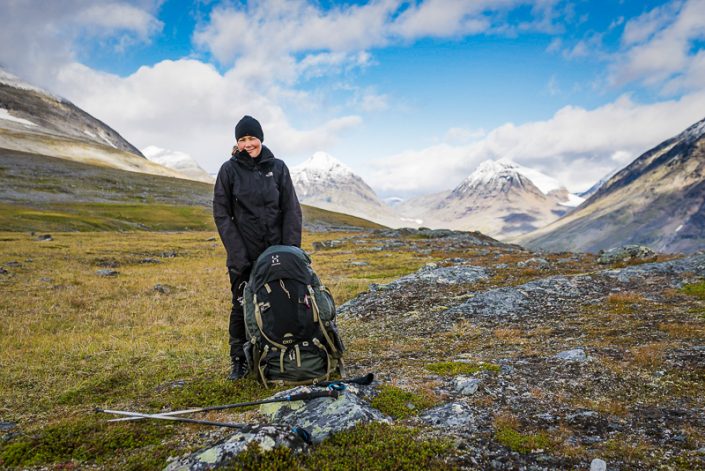
Sometimes you get to enjoy wintry weather in the mountains even in the middle of July. Shortly after this photo was taken, it started to snow.
To begin with, make yourself a packing list and tick off each item of clothing or gear as it goes into your pack. If your memory is as bad as mine, you can also tick items off when they go into the car. More than once, something has been left at home…
Trekking packing list (gear that almost always comes along):
In the pack (clothes and sleeping bag in a waterproof dry bag):
Shelter, stove + fuel, pot, eating utensils, kuksa, puukko knife, fire-lighting kit, first aid kit, sleeping mat, sleeping bag + sleeping bag liner, warm and waterproof clothing, spare socks, underwear, base layer top, toiletries, any medication, sunglasses, sunscreen, GPS device, water bottle, water treatment kit if needed, head torch for the dark season, toilet paper in a waterproof bag, and a food bag.
I also carry a big pile of camera gear. Sometimes I bring a small travel towel for swimming. An axe rarely comes along, but I own more than 20 of them, so now and then one finds its way into the pack. And bring a rubbish bag – leave no trace.
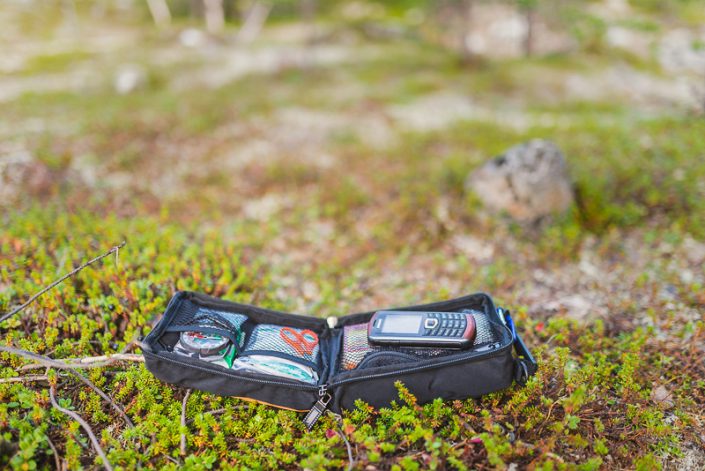
My first aid kit holds a basic mobile phone with a battery that lasts for months – it can call the emergency number without a SIM card. A spare compass and fire-lighting kit travel in the same pouch.
On you (you can read more about the three-layer system here):
Boots + hiking socks, base layers suited to trekking, hiking trousers, a breathable top layer, a hat, possibly gloves, map case + map + compass, a multitool on your belt and trekking poles in hand.
Most important of all: bring a big bag of adventurous spirit and a cheerful attitude. With those along, you can leave half of the above at home and still have a brilliant trek.
Packraft gear:
If a packraft is coming along, add: a bow bag, a 4-piece paddle, a drysuit, paddling shoes (often already on your feet), a buoyancy aid, a helmet (if there are rapids), a GoPro with mounts, and a rescue kit: throw bag, three locking climbing carabiners, a 4 m webbing sling, two pulleys and two prusik cords.
Winter treks call for such different clothing and gear that I'll leave them out of this post. I'll write about them as winter approaches.
Leave at home:
Stress and hurry.
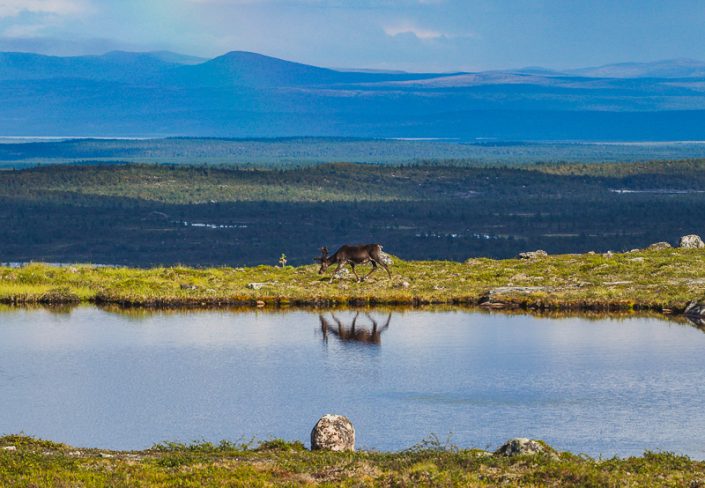
This post ended up very long, yet I've only scratched the surface of these topics. You could easily fill a thick book with them. Still, trekking isn't difficult or complicated – unless you want to make it so. The key is finding the courage to give it a go, and once your first trek is done, there's usually no turning back. You'll be a new person.
If you have any questions about trekking, the easiest way to reach me is by email at caj@sos.fi. That's all – here's to unforgettable adventures! Have fun and stay safe!