Hiking footwear buying guide
Our range of walking and hiking shoes is extensive, so we put together this guide to help with the questions that come up when you're choosing a pair.
TOP 5 tips for choosing hiking shoes
- Think about the terrain: will you mostly be walking on tarmac, gravel tracks, footpaths or through woodland? Each surface puts different demands on your shoes.
- Decide between waterproofing and breathability: waterproof shoes are comfortable in wet spring and autumn weather, but on hot summer days a more breathable shoe works better.
- Pay attention to the last: the shoe's last should match the shape of your foot. If you have wide feet, look for wide-fit models.
- Consider cut height and support: mid-cut shoes give more ankle support and keep water out, while low-cut shoes are lighter and more agile.
- Beginners need a more supportive shoe for treks: if you're new to hiking, a supportive shoe makes more of a difference when you're carrying a rucksack over rough ground. Experienced hikers can get away with lighter models.
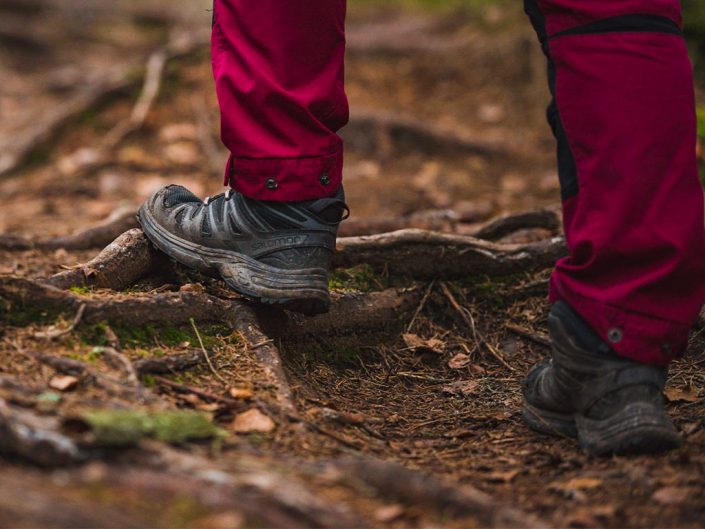
Rocky ground, slippery roots and wet surfaces test hiking shoes in many different ways.
When buying hiking shoes, start by thinking about where you'll be walking most of the time. Tarmac, gravel tracks, footpaths or woodland?
Do you want waterproof shoes or more breathable ones? Generally speaking, waterproof shoes are comfortable in wet spring and autumn weather, but on the hottest summer days your feet may sweat too much.
The last should suit your foot. If you have wide feet in particular, look for wide-fit shoes.
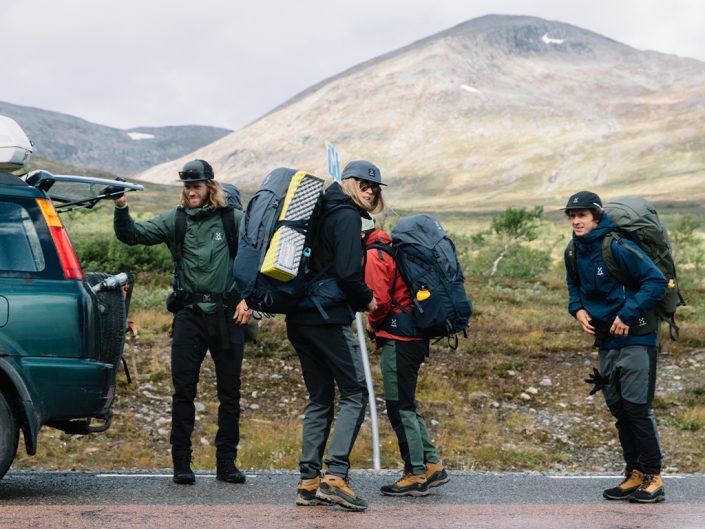
The Haglöfs Skuta Mid Eco Proof and Skuta Mid Women Eco Proof hiking shoes handle a wide range of outings, including multi-day treks.
Shoes vary in how much cushioning the sole provides (compare the Haglöfs Skuta with its cushioned Asics sole and the sturdier Lowa Renegade). A higher cut gives your ankle a little extra support and stops water getting in quite so easily.
Low-cut shoes, on the other hand, are lighter and more agile to walk in. As a rule, they suit most terrain and surfaces for walking, and they work around town too.
Here you'll find our low-cut walking and hiking shoes.
Here are our mid-cut hiking shoes.
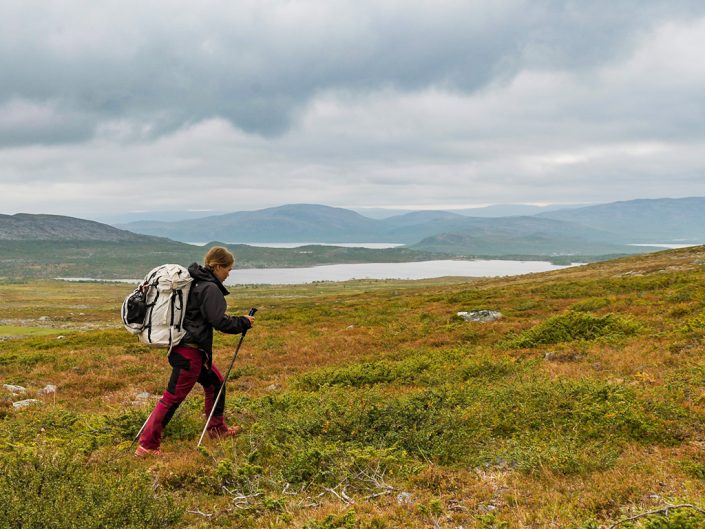
If you're new to trekking and your feet aren't used to a light shoe combined with a heavy rucksack, you'll need more support. Experienced hikers can even head out in trail running shoes, using trekking poles for extra support.
Hiking shoes also work for multi-day treks if you're already used to carrying a rucksack in lighter footwear. A heavier pack and tougher terrain bring their own challenges for your shoes. People who have just started trekking usually carry more weight than experienced hikers, so in that case we recommend starting out with a slightly sturdier trekking boot. Rocky ground is another surface where unaccustomed feet are better off in a supportive shoe.
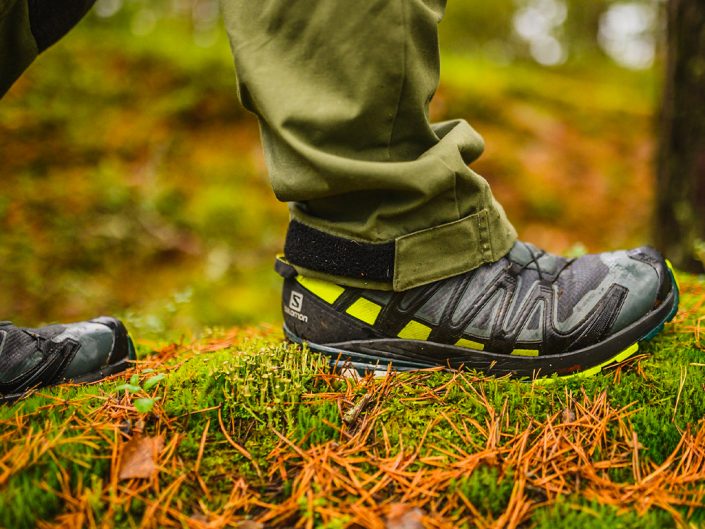
The Salomon XA Pro range offers solid walking and hiking shoes if you prefer a low cut.
Clean your shoes after use: take out the insoles and knock out any grit, pine needles and debris. This helps extend the life of the lining and any waterproof membrane. Treat your shoes with a protective spray, and leather footwear with wax as well. This applies to shoes without a membrane too. Always wash your shoes clean before treating them.
You'll find shoe care products here.
Read more:
A guide to buying hiking shoes and trekking boots
Choosing the right size of hiking shoe or trekking boot
Trekking boot care – simple steps to get your boots looking like new again