Hiking boot care – simple steps to get your boots back to their best
Cleaning, waterproofing and waxing your hiking boots
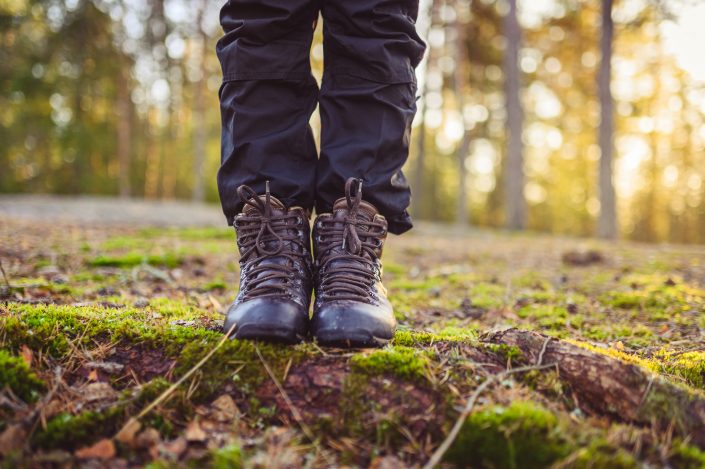
Looking after your hiking boots matters. The right care keeps them comfortable and makes them last longer. Boot care can seem a bit daunting at first, but it's actually very simple. By the end of this article, you'll know how to give your trail-worn boots a quick, easy service and which care products we recommend. (If you've just bought a brand-new pair, start with this guide on caring for new hiking boots.)
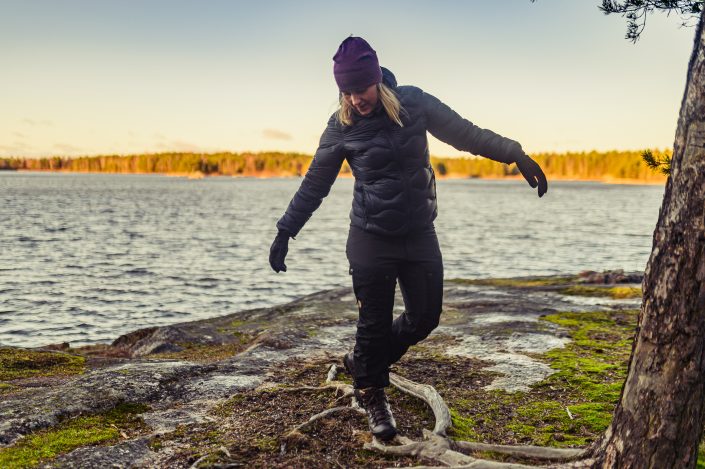
The basics in brief:
- Perhaps the most important rule for keeping your hiking boots in good shape: wear them! Don't leave them gathering dust in a cupboard for months on end. When boots go unused for a long time, the soles become brittle (and under EU regulations, that's actually how they're meant to behave).
- Store your boots with the insoles removed, somewhere dry, well ventilated and out of direct light (not on top of underfloor heating).
- Clean your boots after every use.
- Use care products suited to your boots, and use them regularly.
Follow these steps and your boots will stay in good condition for years. Below, we go through each step in more detail and explain why it matters.
Cleaning and washing your hiking boots
Clean your hiking boots after every use. Depending on where you've been, a quick clean is sometimes enough, and sometimes they need a proper wash. For a quick clean, use a shoe brush or a damp cloth.
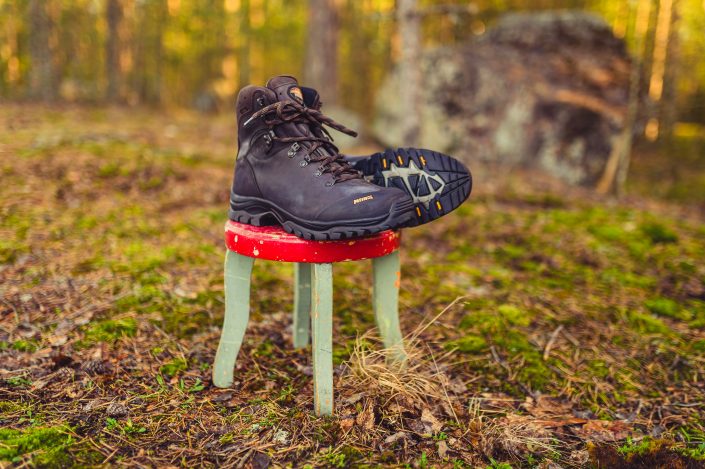
Before a proper wash, take out the laces and insoles. If your boots are really muddy, rinse them under the shower with plenty of lukewarm water and use a soft brush to help shift the dirt. If water alone doesn't do the job, use a boot shampoo or a cleaner designed for technical fabrics (Nikwax Tech Wash).
Wash the inside of your boots regularly too. Over time, dirt builds up inside, and sweaty feet leave behind oils that clog the membrane and lining fabric. Clean the inside the same way as the outside. A clean boot breathes better.
Waterproofing and waxing your hiking boots
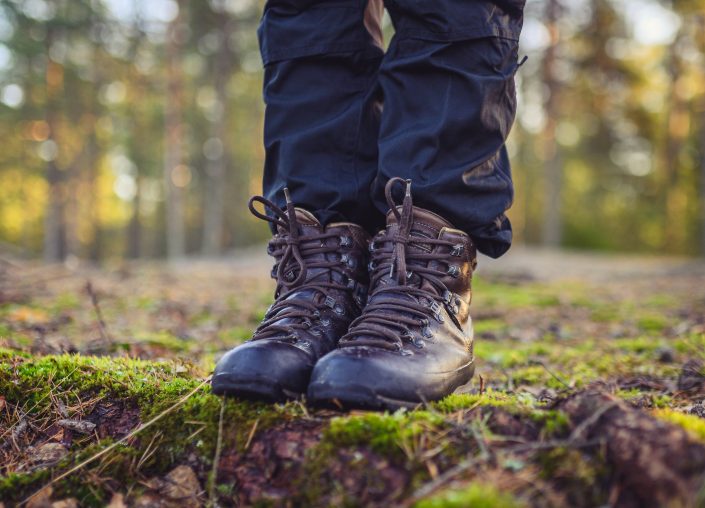
Waterproof and wax your boots as needed. How often depends entirely on how much you use them. When water no longer beads on the surface of your leather boots, it's time to wax them. Waterproof them more often than you wax them, though, as a waterproofing treatment keeps the leather in better condition.
Waterproofing your hiking boots
Start by cleaning the boots thoroughly and removing the laces. Apply the treatment to leather boots while they're still slightly damp after washing, as it absorbs better that way. Never use silicone-based sprays on Gore-Tex boots, as silicone clogs the membrane. Instead, we recommend a product such as Meindl Wet Proof spray. If your boots need waxing, you can do it straight after waterproofing.
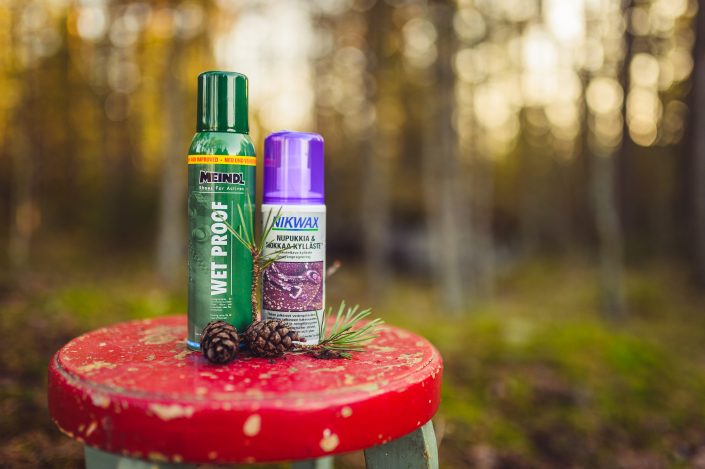
For nubuck boots, there's a dedicated Nikwax Nubuck & Suede spray, and for boots made from both leather and fabric, we recommend Nikwax Fabric & Leather spray.
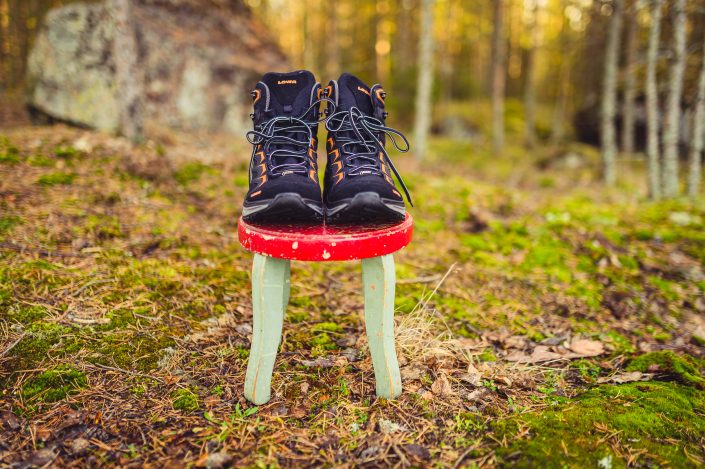
Waxing your hiking boots
Leather hiking boots need regular waxing. Regularly waxed leather stays supple and waterproof. Waxing itself is quick and easy: just take some wax on your fingers and work it into the surface of the boot. If you'd rather not use your hands, a cloth works too.
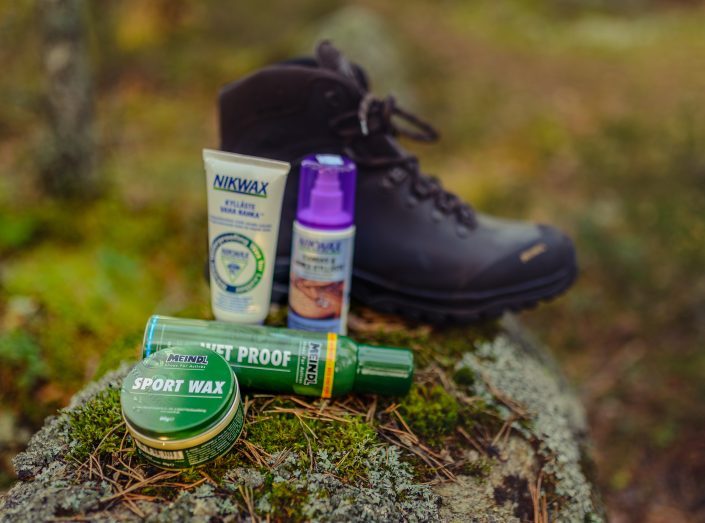
We recommend using only wax made specifically for hiking boots, such as Meindl Sportwax. Never use heavy greases or oils, as they clog the pores of the leather. If you're unsure which product to choose, our experts are happy to help.
For the welt edges, the inside of the boot and the leather at the top of the collar, ordinary hand cream works fine.
Other tips
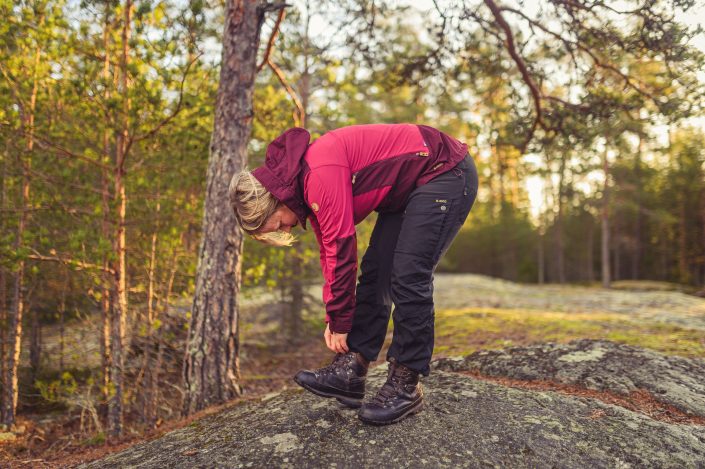
If a lace snaps or wears through, we stock durable replacement hiking boot laces. Replacement insoles are also available for many models.
Many hiking boots can also be resoled. If the uppers are still in good condition but the sole is worn out, resoling is well worth considering.
With your boots freshly cared for, it's a good time to start planning your next hike!