Treating your new hiking boots
Treat your new hiking boots before you wear them
Just bought new hiking boots and itching to hit the trail? Hold on a moment. New hiking boots should always be treated before you take them out. The right care extends the life of your boots, helps them breathe better, keeps them looking good and stops them from starting to smell. In this article, we cover the quick, easy steps to take once you've got your new hiking boots.
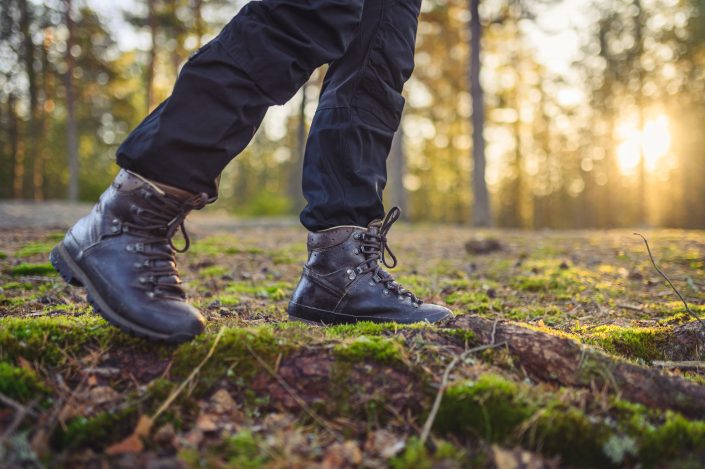
Treating new hiking boots
You'll want your new hiking boots to last as long as possible. That's why we recommend investing in boot care products as well as the boots themselves, so you can keep them in good condition. For the first treatment before use, you'll need a proofing spray, a wax or both, depending on the boot.
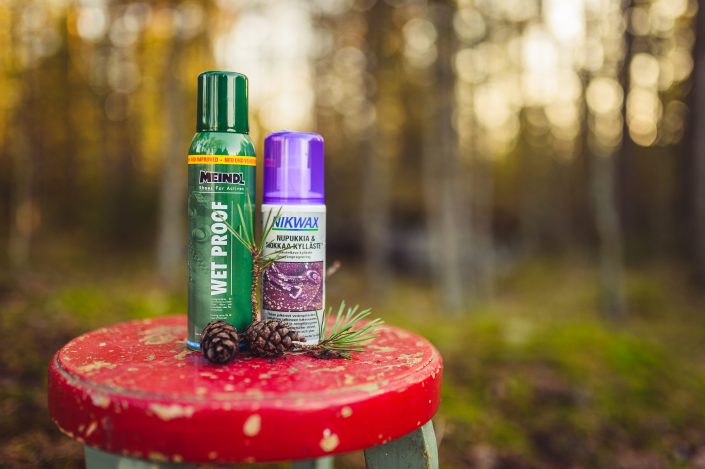
Proof your boots with a spray
Proofing is the first step in treating new hiking boots. It matters because the proofer stops the leather from getting waterlogged, which keeps the boot breathable and waterproof. Choose your proofing spray carefully, as it must not contain silicone. Meindl Wetproof spray, for example, is well suited to proofing leather hiking boots.
How to do it:
Spray the proofer evenly over the boots and let them dry thoroughly. You can reapply it whenever you notice water no longer beading on the surface of the leather.
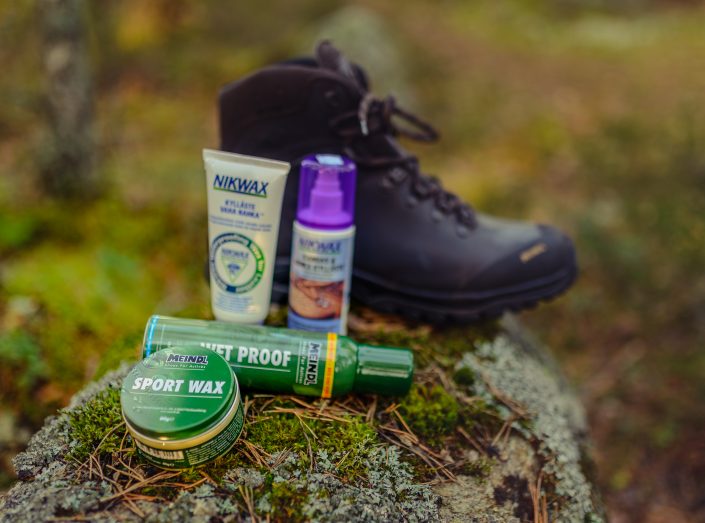
Treat your boots with wax
Leather hiking boots should be waxed straight after you buy them, as new boots come with only a light coat of wax. A proper wax treatment stops the leather drying out and cracking, keeping it supple and intact. Beeswax-based Meindl Sportwax works on both dark and light-coloured hiking boots. The main thing is to use a water-based or beeswax product, so your leather boots stay breathable.
How to do it:
Apply the wax with your fingers or a cloth to all the leather on the outside of the boot. Put a little wax on the lace hooks too, so they don't rust or oxidise.
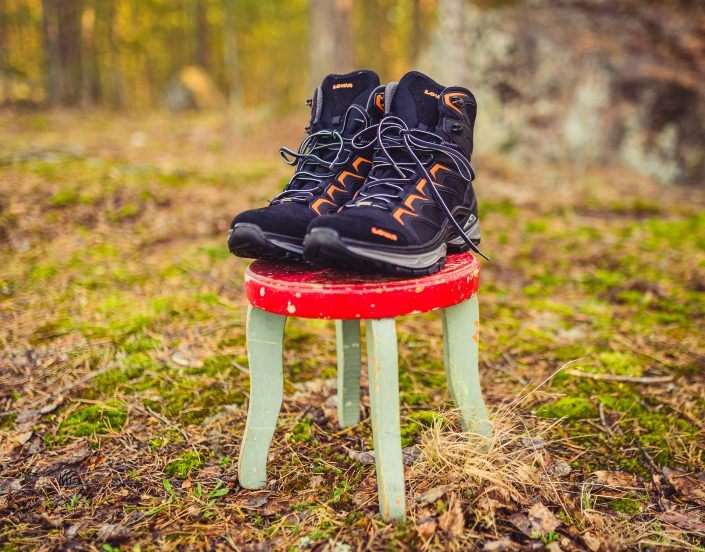
Hiking boots made from materials other than leather
If your hiking boots are mostly made from something other than leather, you don't need to wax them. Fabric hiking boots should still be proofed with a spray before their first outing, and the treatment repeated at regular intervals. Lowa, for example, makes a spray that does the job well.
Don't forget hiking socks
Once your boots have had their initial treatment, you're almost ready to go. Remember to always wear your hiking boots with hiking socks. A proper hiking sock works together with the boot, improving both its performance and its comfort. There are plenty of different hiking socks to choose from, so pick the thickness to suit the weather. What good hiking socks have in common is that they wick moisture away from your foot, and a breathable boot then lets that moisture escape. This keeps your feet dry and warm for as long as possible. You can also wear two pairs of socks if you like, with a liner sock as the base layer.
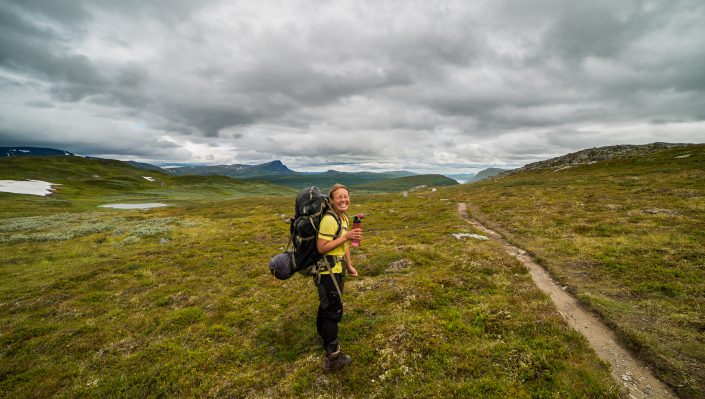
Hiking boots are made for walking
If your hiking boots go unused for a long time, their soles become brittle. The sole can then crack or even come away from the boot. Under EU regulations, all materials must eventually break down, and polyurethane and EVA sole materials are no exception when left unused for long periods.
We recommend walking in your boots at least a little every few months, as the friction on the sole keeps it in good condition. Store your boots somewhere well ventilated, and always take the insoles out while they're stored so the inside of the boot can air out properly.
Breaking in your hiking boots
Always break in new hiking boots before your actual trip by going on a few longer walks. This is especially important if your hiking boots are leather. New leather is always a bit stiff, but breaking it in moulds the boots to the shape of your feet.
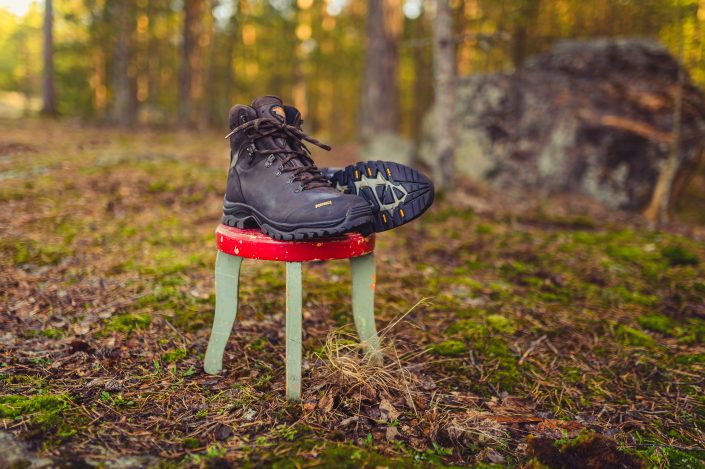
Hiking boot care and use: tips for the long run
- Wear your boots – don't leave them gathering dust in a cupboard for months on end.
- Store your boots with the insoles removed in a dry, well-ventilated place away from light (don't keep them on top of underfloor heating).
- Clean your boots after every use.
- Use care products designed for hiking boots regularly.
Follow these tips and your hiking boots will stay in good condition. You'll find more detailed instructions on cleaning and caring for dirty hiking boots here.
Read our guide to choosing the right hiking boot size here.
Happy hiking!