Scout camp season is calling – what should you pack?
Some of the best Scouting memories are made in summer, when camps, hikes and Sea Scout sailing trips lead to great adventures. To make camp as good as it can be, the right kit matters too. Camps usually send out a kit list when you sign up. Here are some practical tips for successful trips and camps – whether the camper is a child or an adult.
Kit a Scout needs for summer camp:
- Sleeping bag: warm enough and lightweight
- Sleeping mat: an affordable, durable closed-cell foam mat or a more comfortable inflatable one
- Rucksack/backpack: sized to fit the person carrying it
- Outdoor clothing: weather-appropriate clothing and layering
- Small essentials: knife, head torch, water bottle and sit mat
- Mealtimes: plate, mug, fork, spoon and knife
- Other: travel towel, dry bags, mosquito head net and power bank
A warm sleeping bag means a restful night at camp
At summer Scout camp, you'll usually sleep in a tent. Even when the days are warm, nights can still turn chilly. The two most important basics for any Scout trip are a sleeping bag and a sleeping mat.
When buying a sleeping bag, choose one that's durable and comfortably warm. For Scouting trips, the key features are warmth, packed size and sensible weight. Warmth matters most on spring and autumn trips, when you might be sleeping in a tent or an open shelter. A bag with a fairly small packed size is easier to fit into a rucksack when you're gathering camp kit together. Weight counts too, especially if the group is heading off on a trek in the Highlands or a weekend hike.
For Cub-age children, it's understandable to look for a reasonably priced sleeping bag. Bear in mind, though, that a well-made sleeping bag lasts for years if you look after it, and even if Scouting doesn't continue through their teens, a sleeping bag always comes in handy elsewhere. It's worth buying an adult-size bag for a Cub that will still work for them as a teenager. For a smaller child, you can shorten the foot end with a soft, wide strap, or simply fill the empty space with something like a fleece blanket.
Read more about choosing a sleeping bag.
Choosing a sleeping mat to suit the user
When choosing a sleeping mat, think about which material works best for a child. The easiest, cheapest and most reliable option is a dense closed-cell foam mat that's quick to lay out and pack away. Even the youngest Cub can learn to roll it up on their own – a useful skill at camp.
Durability is another plus. Closed-cell foam copes with rough handling better, and it also works in winter in a stove-heated tent, unlike an inflatable mat.
An inflatable mat is nice and soft, but it needs more care. For a young schoolchild, inflating and deflating it can be tricky. In general, practise packing both the sleeping bag and the mat at home so your child can manage on their own.
Read more about choosing a sleeping mat.
Rucksack on and off you go
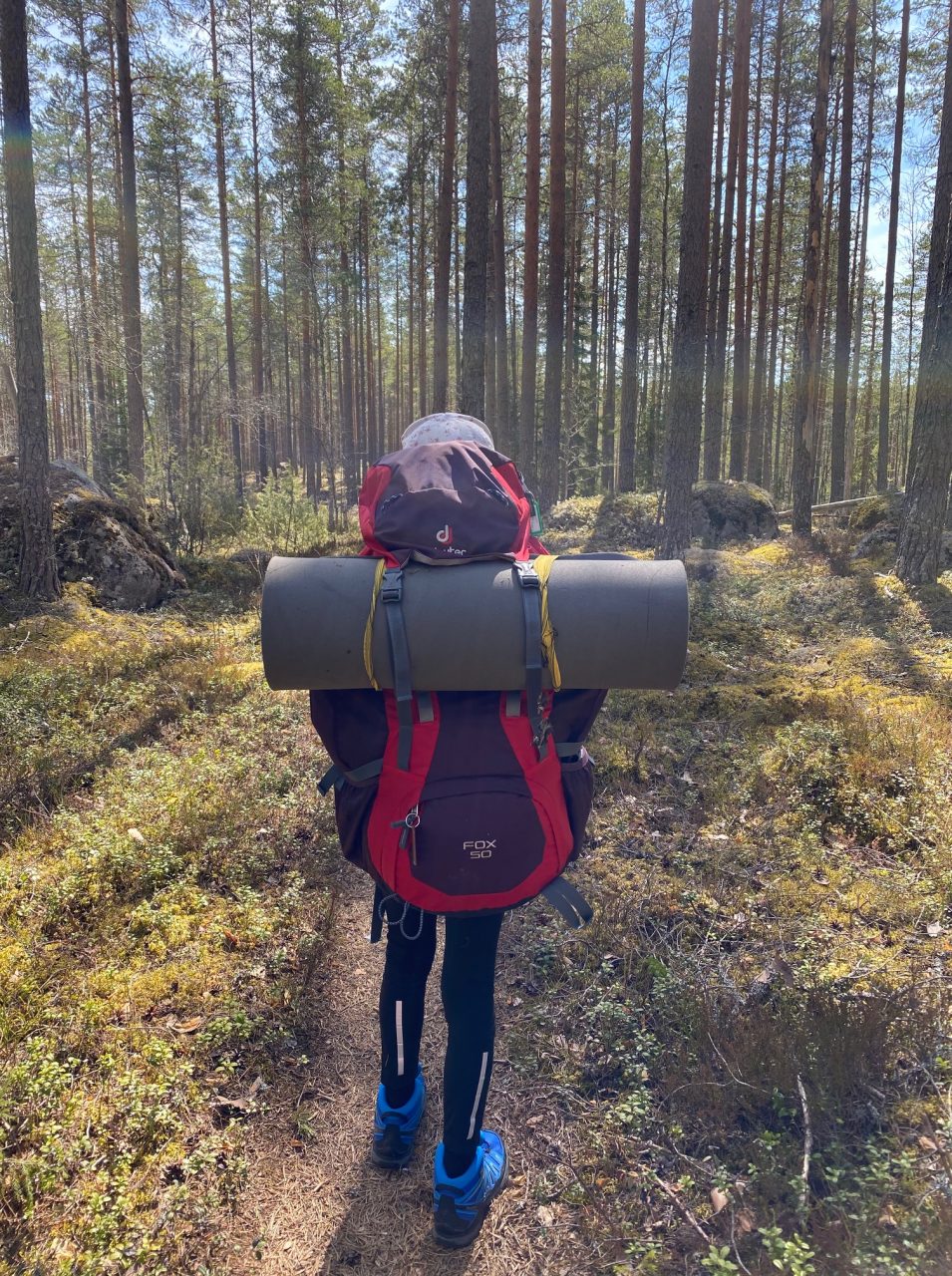
For Scout camps, kit is packed into a rucksack or backpack that the Scout can carry themselves. The rucksack should fit the wearer's body. A Cub won't necessarily suit the same pack as a Scout starting secondary school.
Junior-size rucksacks are usually the better choice for young Scouts, as a school-age child's body proportions differ from an adult's. As they grow, the pack will need replacing so it can be adjusted to fit their back. The only way to find the right size is to try it on. In our shops, staff can help with fitting, and we have weights you can put inside the pack to try it at a loaded weight.
Read more about choosing a rucksack.
Alongside the rucksack, pick up a few compression straps and carabiners so you can fix things like a sleeping mat securely to the outside. Gear swinging and dangling from the pack makes it harder to carry and throws off its centre of gravity.
Always pack the rucksack together with your child so they know what's inside. For Cubs, plastic key tags from a key-cutting shop can be clipped to the zips and labelled with what's in each compartment. That way your child can check more easily where everything is.
When packing for Scout camp or a trip, remember to label everything with a name. Lost property is much easier to return when it's clearly marked. Losing things at camp is very common – the activities are fun and absorbing, and nobody remembers where they left everything.
Read more about packing a rucksack.
Scouts get outdoors whatever the weather
Scout camps and trips happen outdoors, whatever the weather. It's simple: being outside is enjoyable when you're dressed for it. Well-chosen outdoor kit pays off beyond Scouting too. When a PE lesson means orienteering in autumn rain, it's far more pleasant with waterproof clothing and suitable footwear.
As with any outdoor activity, layering is the way to go at Scout camp. Summers are often cool and wet, so you'll need layers even in the warmer months. For the base layer, merino wool thermals are the best choice. They're warm and comfortable even when they get wet. Merino is also breathable – it wicks sweat away from the skin and doesn't soak up moisture the way cotton does.
In cold weather, add a warm mid layer such as a fleece jacket or wool jumper. Fleece and wool both work well here, as they keep you warm even when damp.
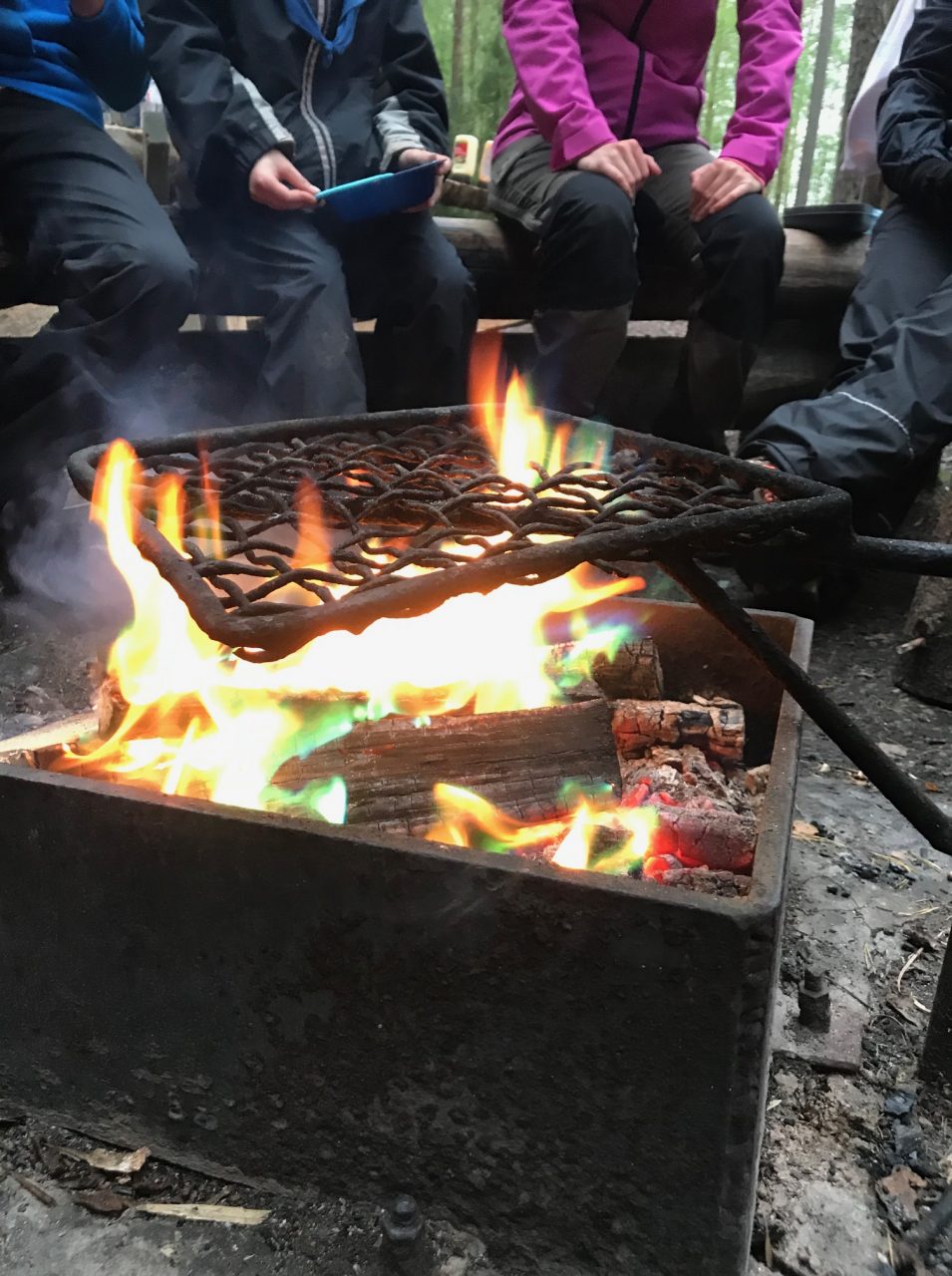
For the outer layer in summer, depending on the weather, you might wear a shell jacket and trousers, waterproofs, or a softshell jacket with hiking trousers. In heavy rain, classic waterproofs work well on a trip, as you can sit down to eat or round the evening campfire even when the ground is wet. Shell clothing is comfortable to wear and handles a wide range of conditions. A softshell jacket is warm but not waterproof, so you'll still need a separate rain jacket.
At Scout camp, a rain poncho can be awkward, as the flapping hem gets in the way during active games and competitions. Disposable rain macs aren't suitable for camp either. We always recommend proper outdoor clothing for Scouts of all ages – it makes being outside enjoyable whatever the weather.
Small but essential camping kit
Scout camp also calls for plenty of small items every camper needs to bring. Here are some of the most common ones you'll find on a camp kit list:
- knife
- torch or head torch
- cutlery and crockery
- water bottle
- sit mat
A knife is an important piece of kit for a Scout, as many camps and trips involve whittling kindling or carving a sausage stick. A good knife fits the user's hand, and above all, the blade should be kept sharp. A folding knife is the worst option, especially for a child, as it's difficult for beginners to carve with. A proper fixed-blade knife will serve you for years if you maintain it regularly.
Read more about choosing a knife.
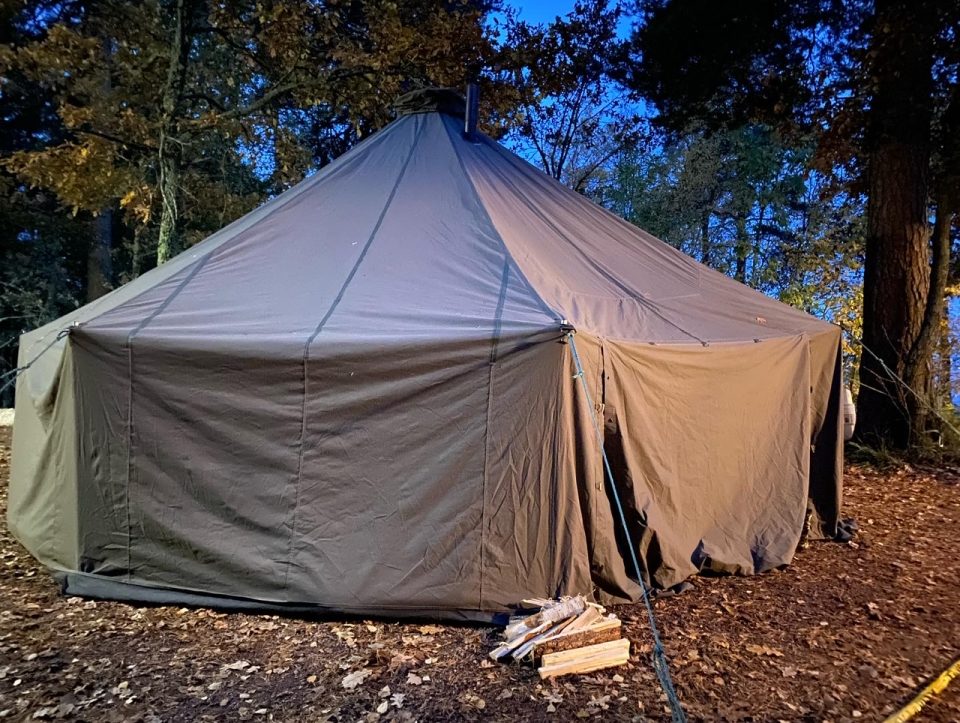
You may need a torch even in summer if your Scout group sleeps in a large canvas patrol tent or similar group tent. The fabric on these tents blocks out light, so you'll nearly always need a torch or head torch to find your things. On spring and autumn trips, torches and head torches get plenty of use as the evenings draw in.
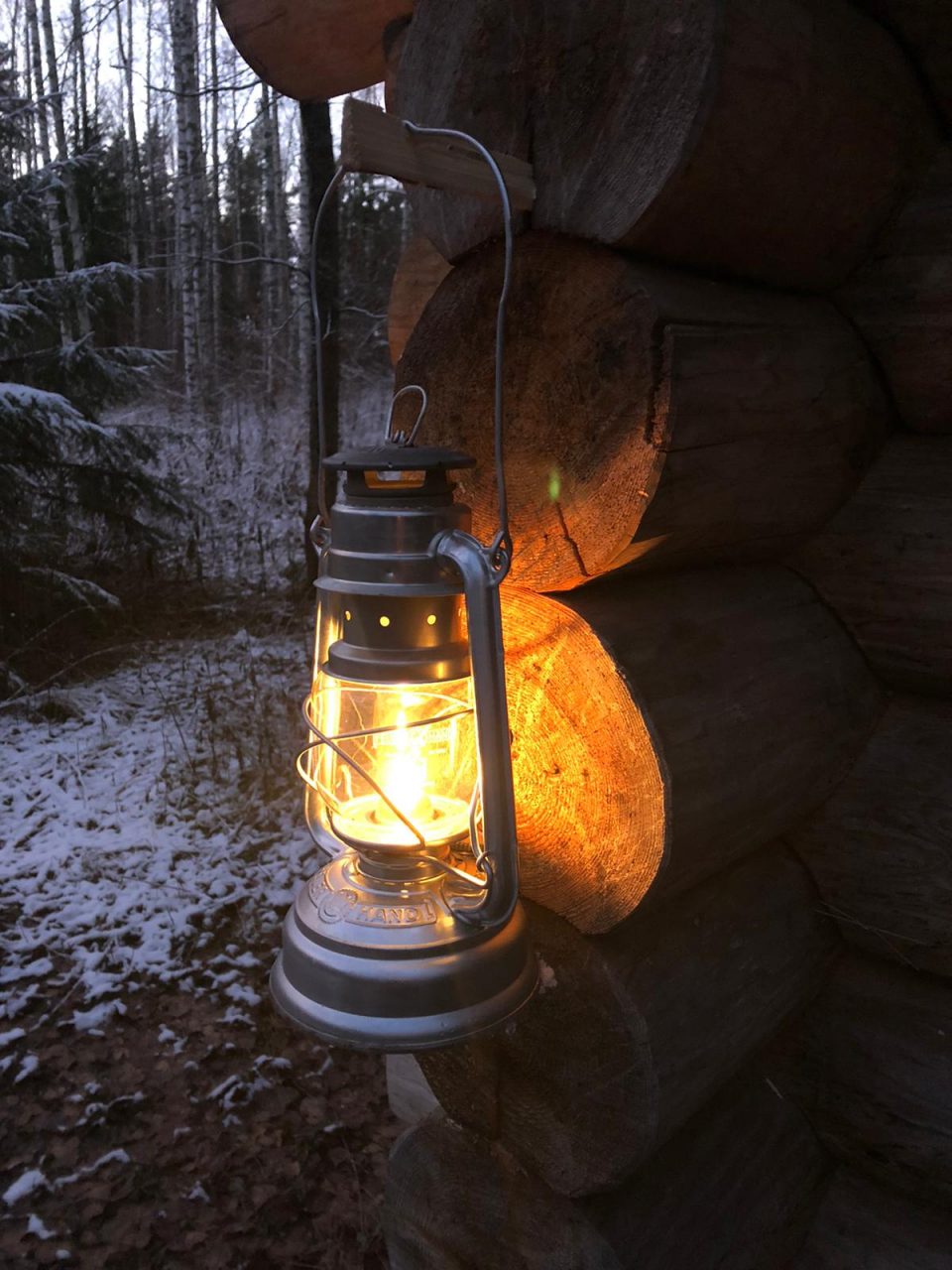
Take a look at our head torch guide.
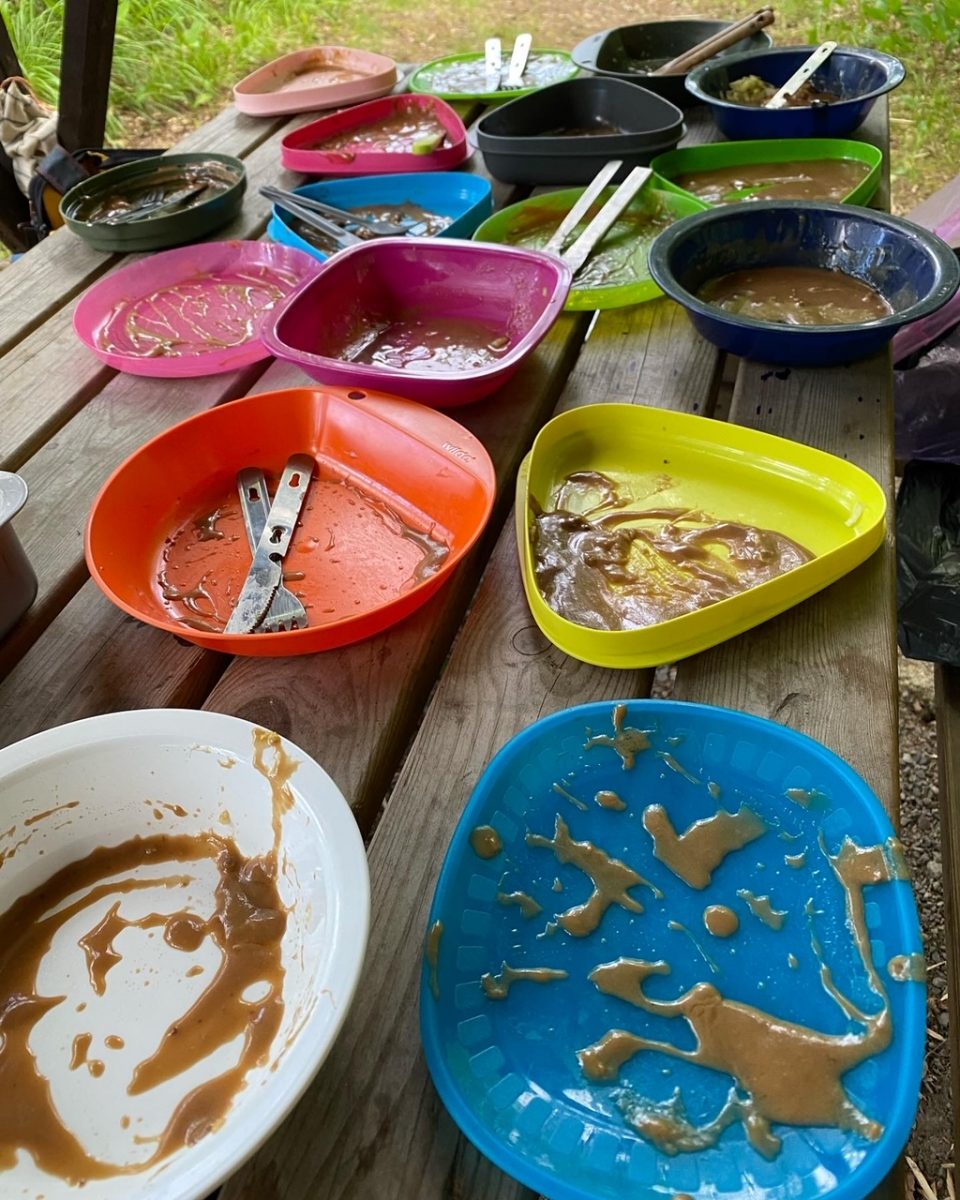
At Scout camp, everyone eats from their own mess kit. In practice, you'll need one or two plates, a spoon, knife and fork, and a mug. They should be light, easy to wash up and ideally brightly coloured so they're easy to recognise. Most Scout groups recommend packing everything in a fabric cutlery bag, and you can slip a small tea towel in too. After meals at camp, everyone washes up their own things. For many young Scouts, washing up is a new skill that gets smoother with practice. Lost plates and mugs find their way back to their owners more easily when they're clearly labelled.
Summer camp programmes are often full of energetic games, competitions and hikes. The best way to avoid dehydration is to drink regularly. A good water bottle is standard summer camp kit for everyone. On a well-made bottle, the lid works reliably and won't leak into your rucksack.
A sit mat gets used in all sorts of situations at camp. Around the evening campfire, you'll often sit on the ground, on rocks or on a bench by the fire. Meals may be eaten sitting on the ground too, if the campsite has no dining shelter. A sit mat adds comfort and keeps your trousers dry in wet weather.
Other handy items for a Scout trip include a quick-drying travel towel, dry bags, a mosquito head net, power banks, sandals you can slip on quickly and plenty of other small bits. Small kit like this also makes a welcome birthday or Christmas present for a Scout.