Getting Started with Hiking
People often say they'd like to get into hiking but don't know where to start. This article shows you how to begin with day hikes and, if you want to, gradually build up to longer treks in the wilderness.
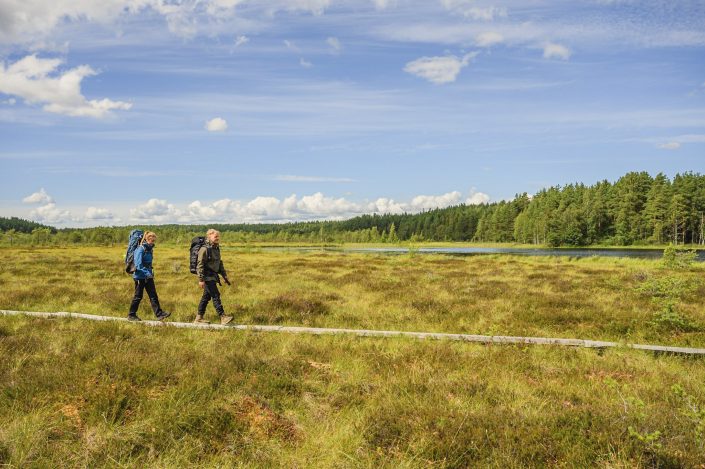
Hiking is a broad term. It covers everything from a walk in your local woods to a trek lasting several weeks. That's why people split it into categories, although there are no official rules on what each term means.
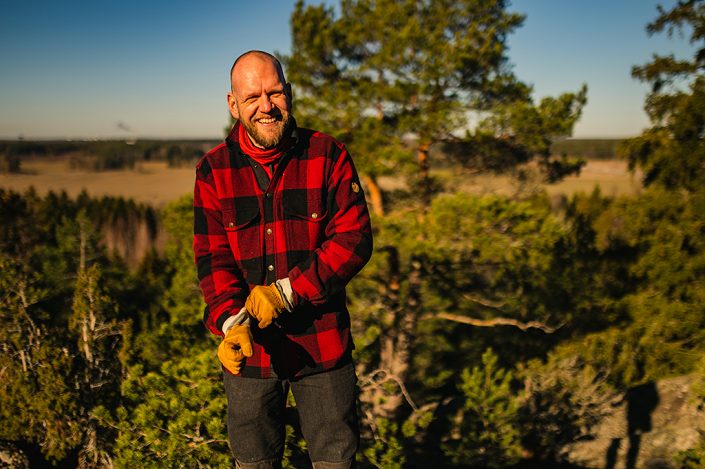
Mikko works as an outdoor specialist at our Kuninkoja store. He has almost 20 years of experience helping hikers, so many of our customers will know his face. Mikko is also the hiking expert behind our guides.
Among hikers, the terms usually depend on the length of the trip:
- Day hike = A hike completed within a single day.
- Overnight trip = A trip where you spend one night outdoors.
- Weekend trip = A trip lasting a weekend (or about that long), usually with two nights outdoors. Typically in national parks, following waymarked trails.
- Trek = Three or more nights outdoors, carrying all your gear and moving camp each day. Typically in larger national parks and wilderness areas.
A day hike is the easiest way to enjoy the outdoors
The easiest way to start hiking is with day hikes. You don't usually need any special gear – the clothes and kit you already have at home will get you going.
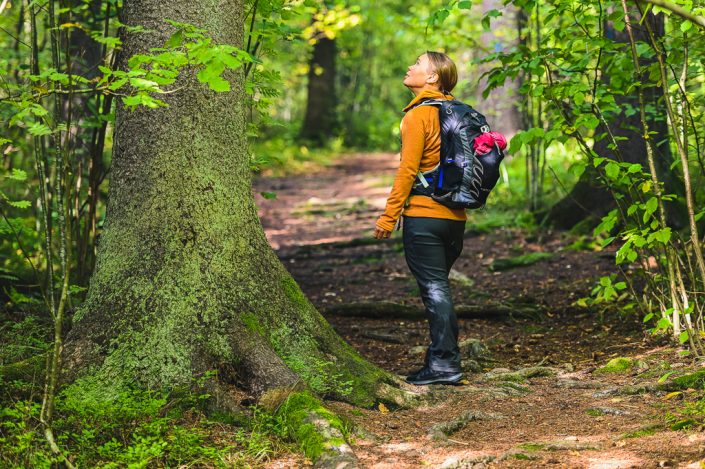
Put on comfortable clothes and shoes, pack a few sandwiches in your backpack and head off into your nearest woods. Map apps are the easiest way to find green spaces near you. Download a topographic map app to your phone, or browse maps on a bigger screen in a map service on your computer. You can buy maps of hiking areas and national parks from us, or print them yourself, for example from here. For your local woods, you'll usually need to print the map yourself.
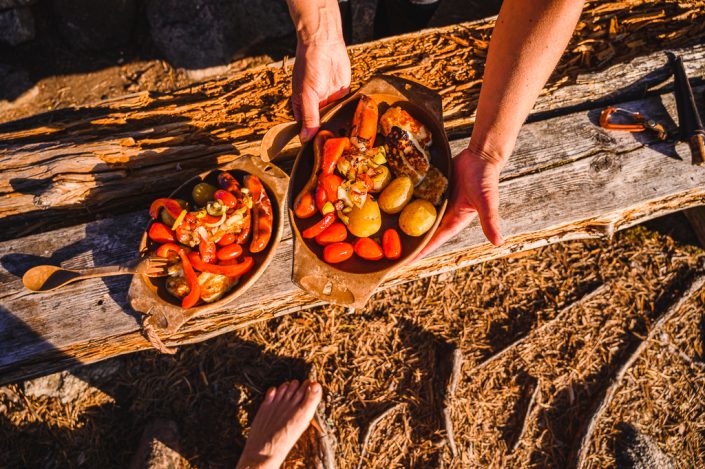
Cooking your own food on the trail makes a day hike more fun and adds to the atmosphere. You can cook over a campfire or on a camping stove. A responsible hiker favours a stove: it makes you more self-sufficient and lets you avoid busy fire sites. If you're heading to a national park, check the maps and rules on the luontoon.fi website first.
An overnight trip is the place to test new gear and skills
If you want to take your day hikes a step further, the next stage is getting gear for overnight trips. You can start by sleeping in lean-to shelters and open wilderness huts, but it's worth getting your own shelter too. Plenty of other hikers use the lean-tos and huts, and you can never count on there being room. So a shelter goes on your shopping list (a tent, hammock or tarp), along with a sleeping bag and sleeping mat. If you've already cooked on day hikes, that part will come naturally.
Our guides have practical tips on choosing a shelter and looking after it, plus a thorough buyer's guide to sleeping bags and mats and care instructions for them. You'll find tips on choosing a camping stove here.
For your first nights out, pick an easy spot – your back garden, a holiday cottage or somewhere close to the car. If something goes wrong, you can easily call it a night. If you want to walk a bit further from the car, you'll need a hiking rucksack or a large backpack to carry your gear. On a bike trip, you can carry it in panniers.
Overnight trips are a good way to get to know your gear and build some experience. If the hiking bug bites, you're ready to move on to weekend trips.
Weekend trips let you really get to know a place
Head out on Friday evening after work and spend the whole weekend outdoors, and you'll get to know places like national parks and hiking areas properly. A weekend trip often calls for a fully loaded rucksack, which makes it a good chance to test your trekking gear and get your back used to carrying more weight.
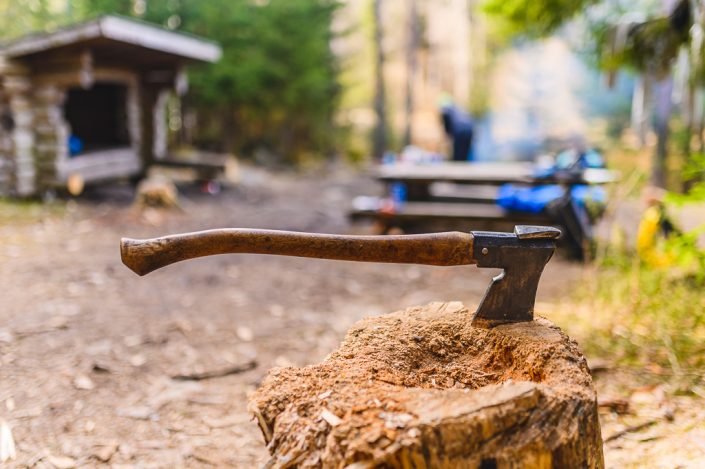
The Nordic countries have excellent trail networks and facilities. Make use of lean-tos and fire sites on weekend trips – but always bring your own shelter too.
When you start buying gear, keep an eye on the weight. Take notes on your trips: they'll help you work out what you missed and what you could have left at home.
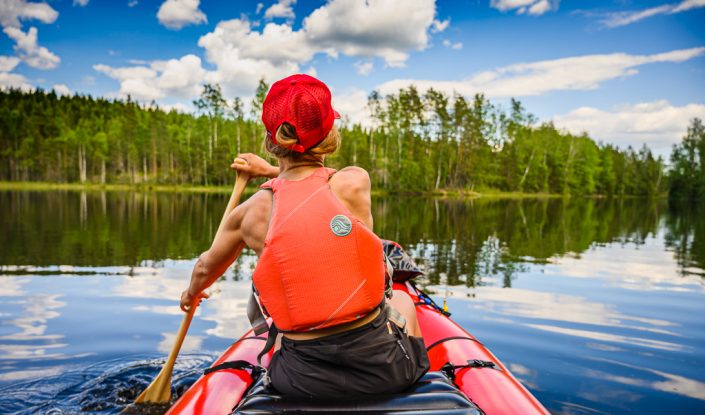
To add variety to your weekend trips, get out in every season, and try other ways of travelling besides walking – paddling, cycling and skiing all work well.
On a trek, you're at the mercy of the elements
Once you start adding extra days to your weekend trips, you're trekking. A typical trek lasts a week or two. Most national parks start to feel too small, and wilderness areas start to appeal.
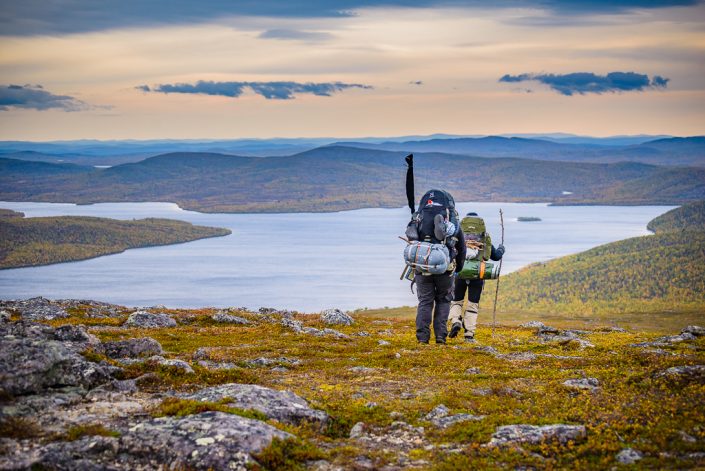
Before you set off on a trek, you should know your gear well and be comfortable using it. On longer trips you'll need navigation skills. It's also worth practising pitching your tent in windy conditions before you go.
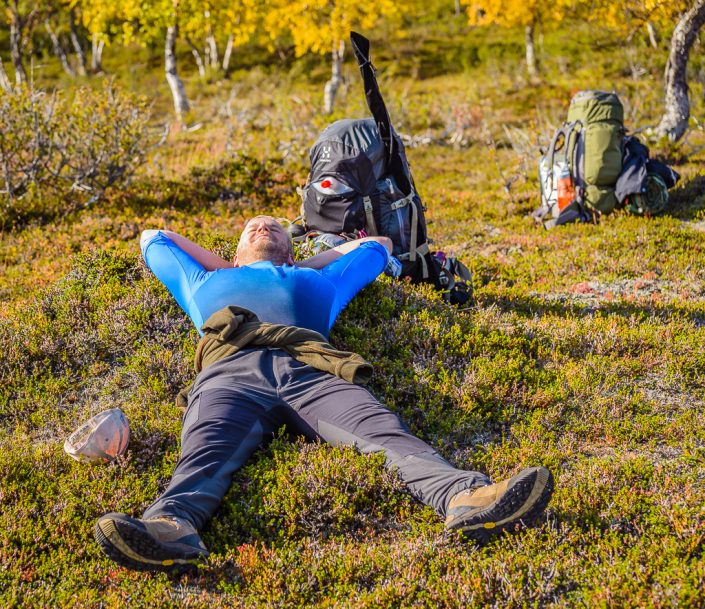
After three or four days on a trek, you usually settle into living outdoors and get a real sense of freedom. You're carrying everything you need, you're prepared for any weather and you start to read the elements. In wilderness areas you're not tied to the trails and can camp wherever you like. Each national park has its own rules on where you can camp, so check them before you leave to avoid unpleasant surprises.
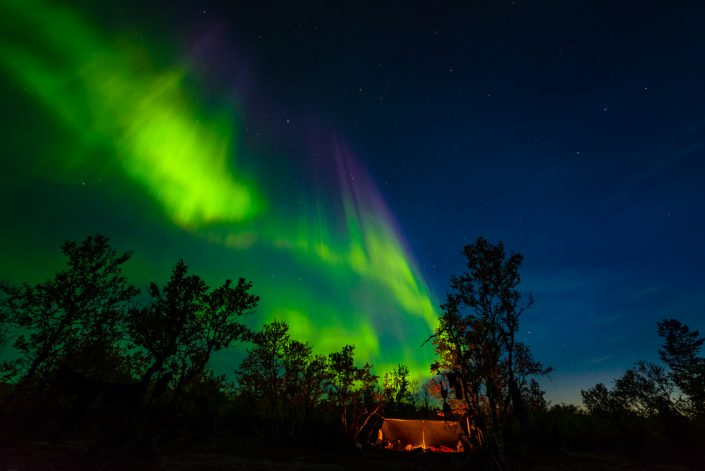
Start with easier destinations at an easier time of year. In Lapland especially, August is often the easiest time to trek – the July heat is over and the mosquitoes have gone. Once you've learned the ropes, you can choose more demanding places and seasons. In northern Lapland, for example, the autumn colours arrive in the second week of September, when the evenings grow dark again and the northern lights start to blaze.
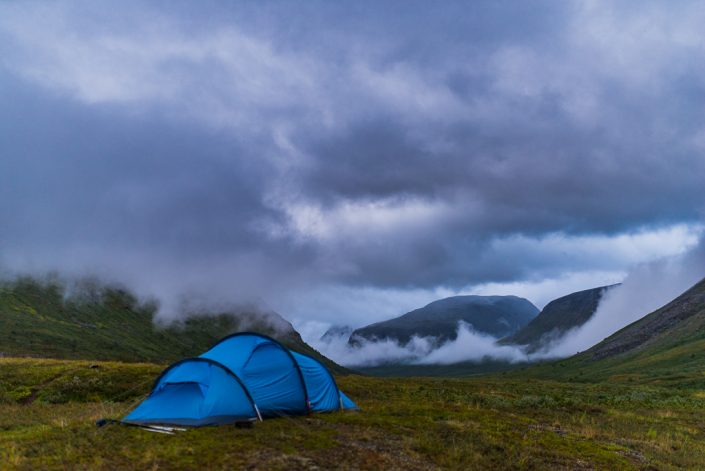
Once you know the fells of Finnish Lapland, you can expand your range into Sweden and Norway. Get used to mountain conditions gradually too. Windy mountains with an arctic climate all year round demand a lot more from both your gear and your skills.
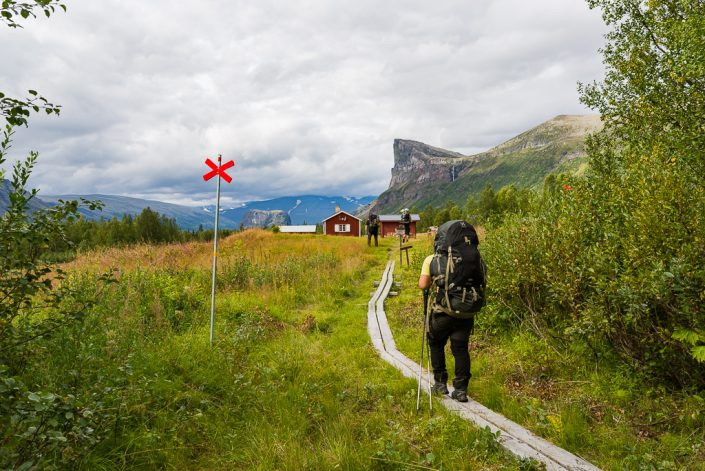
A word of warning: trekking easily becomes a way of life – and for some, the whole point of it. There's no turning back from the life of an adventurer [U+1F609]
Read more:
What to pack for an overnight trip