Tips for spring bike rides — Why wear proper cycling clothing?
For many of us, early spring marks the start of cycling season. Others ride all year round, whatever the weather. Cycling is a versatile way to get around, on trails and on the road, and everyone has their own way of enjoying it.
TOP 5 tips for cycle touring
- Get some bike bags for your trips:
You can fit bags to your rear rack, handlebars, seat post and frame, so you can carry your gear without a heavy backpack. - Choose waterproof bags:
You don't want rain soaking your kit and clothes, so waterproofing is worth checking when you choose bike bags. - Buy clothing designed for cycling:
Hiking or trail running clothes will do the job, but clothing designed specifically for cycling fits your riding position better and is more comfortable and practical. - Look at the details of cycling clothing:
Cycling jerseys, for example, can have a longer back, breathe better and have pockets for essentials. Cycling shorts have a chamois pad to make sitting in the saddle more comfortable. - Add to your kit as you go:
You don't need to buy everything at once. Upgrade your gear as you ride more, and you'll find out which clothing and kit work best for you.
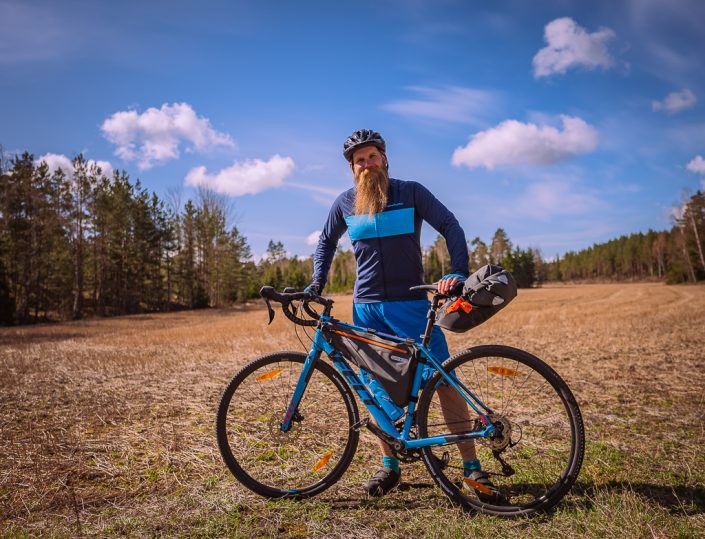
In this blog post, we share tips on choosing cycling gear and explain why cycling clothing usually works better on the bike than hiking clothing.
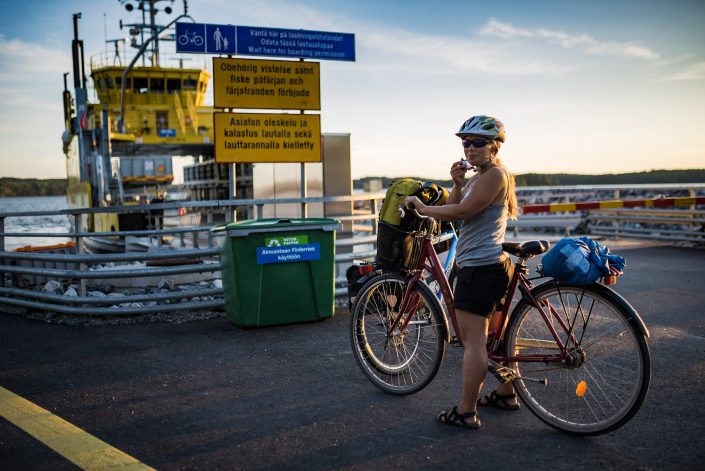
You can ride just about any kind of bike. An old “granny bike” is just as much fun as a machine costing thousands. The same goes for gear and clothing – but once you start riding a bit more, small things can make a big difference to your comfort.
Bike bags
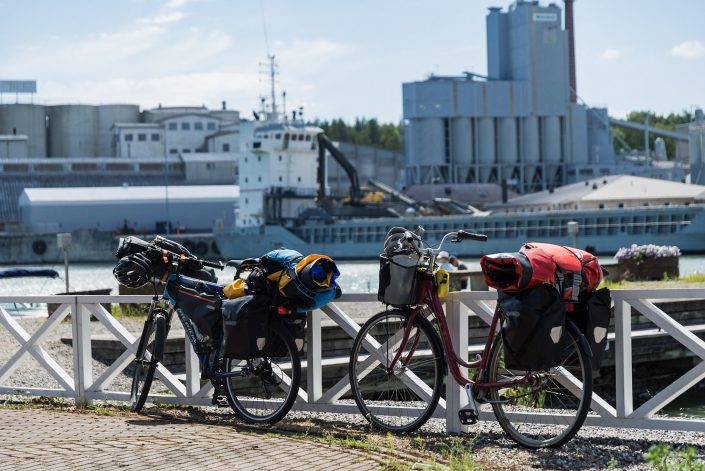
On a cycle tour, you can carry a surprising amount of gear if you want to – even paddling kit and an inflatable “kayak”, or packraft. You can set off on a “granny bike” or a mountain bike, although a mountain bike is usually easier to load up.
You can fit bike bags to your rear rack, handlebars, seat post and the frame itself. A backpack works too, but carrying a heavy one over a long distance isn't much fun.
Pay attention to waterproofing when choosing bags. It's no fun getting caught in a shower and finding that all your clothes and kit are soaked.
You'll find all our cycling gear here.
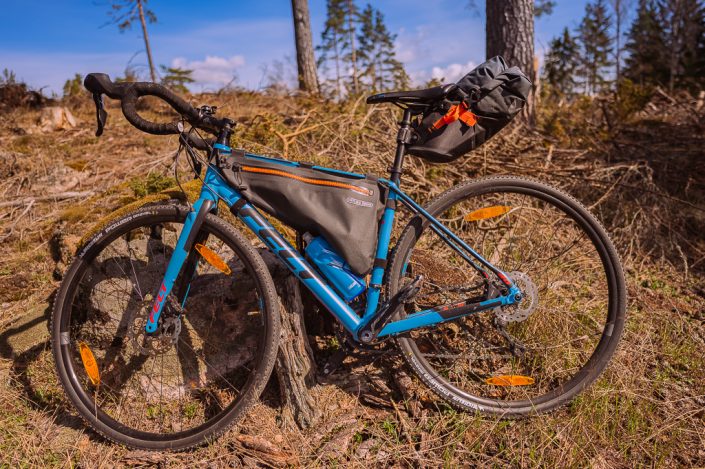
Bike bags come in many sizes, and Ortlieb is one of the most established names in the business. The Ortlieb range covers a wide selection of waterproof bags for cycling.
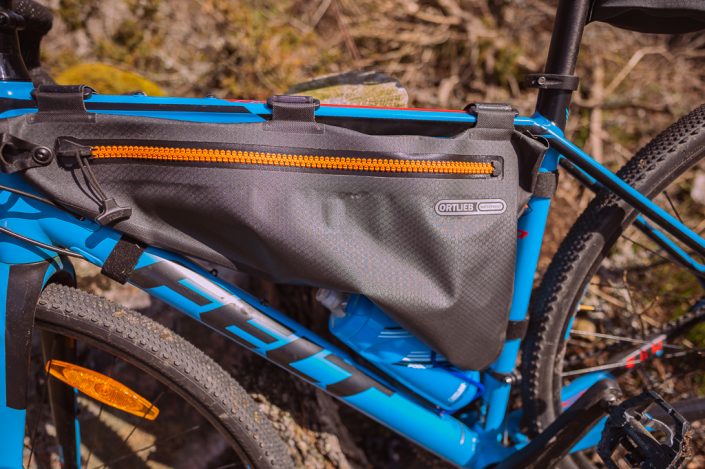
Bags are useful for more than just touring. Riding is much more comfortable without a backpack. A frame bag holds a lot: your wallet, phone, repair kit and even a small camera, often with room left over for a drinks bottle. It's a good place for heavier items and things you can't compress – in other words, squeeze the air out of.
The photo above shows an older Ortlieb model. This year, a new range of bikepacking bags arrived in our selection.
You'll find Ortlieb's new frame bags here.
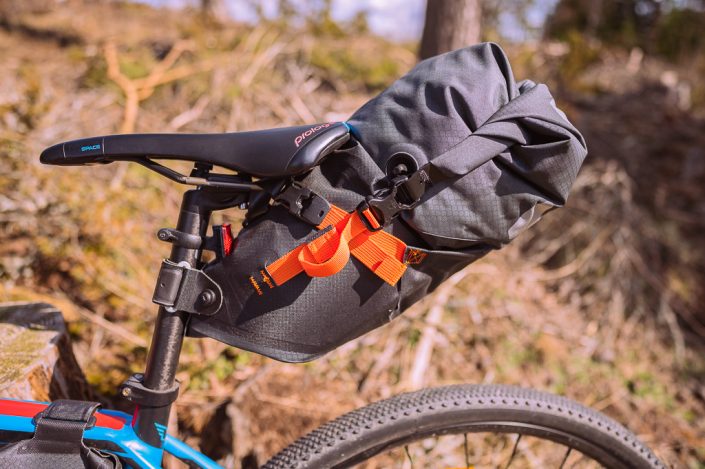
A seat pack attaches to your seat post. They come in different sizes – a bigger bag naturally holds more, but it can sway more than a size M. An extra fixing strap is also available. Handily, a seat pack doubles as a rear mudguard.
The Ortlieb bag has a round valve on the side that opens when you pull it out. It's best to pack lighter clothing you can compress, then push the valve back in to close it. Even the size M bag will take a pair of trousers, a fleece and a light down jacket – just what you want when you stop for a break on a ride and need to warm up.
You'll find Ortlieb seat packs here.
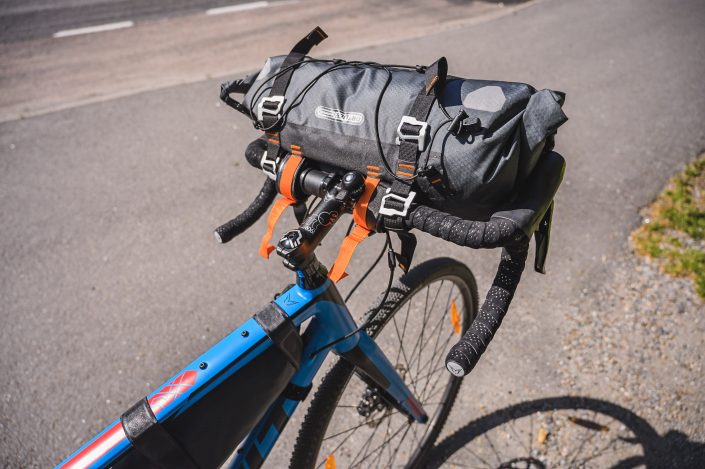
You can also fit bags to your handlebars. Most fit both flat mountain bike bars and drop bars. Again, these work best with compressible clothing. On a trip, a handlebar bag can carry your sleeping bag and sleeping mat, or a hammock.
Handlebar bags often have bungee cords on the outside too, where you can stash a shell jacket and pull it on quickly when the rain comes. Ortlieb makes a matching accessory pack that attaches to the handlebar bag.
Ortlieb also makes a waterproof “top tube bag” that sits on top of the frame.
Cycling clothing
Clothing designed for hiking often works on the bike too, but not perfectly. Trail running clothing is also practical and can sometimes do the job just as well, but clothing designed specifically for cycling is still the option that works best.
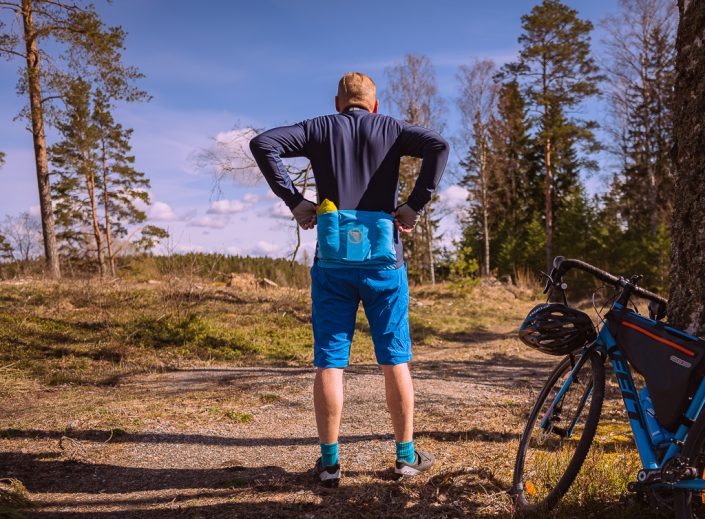
Pictured: Endura Hummvee Lite Short II shorts and FS260-Pro Jetstream L/S Jersey II jersey.
The cycling clothing in our range falls into two main categories. Mountain bike clothing works well when you're riding sheltered woodland trails. It's also a good fit for everyday riding, like commuting.
On the road, you need slightly different clothing. Road riders want close-fitting clothes that cut wind resistance, and kit that's very light and packs down small.
Off-road, clothing that's too lightweight may not stand up to snagging branches and rougher use. Riding positions differ a lot too: you sit more upright on a mountain bike, while on a road bike you're tucked low. That's why cycling clothing for each discipline has a different cut.
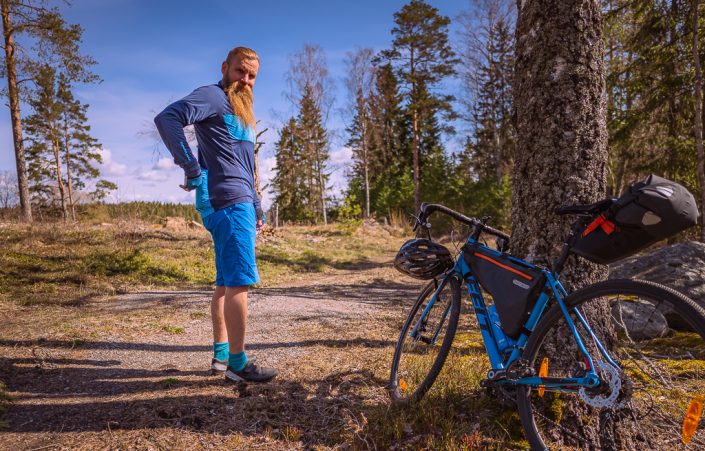
Cycling clothing also has plenty of sport-specific details, such as handy pockets, long sleeves and a protective collar. Jerseys have a dropped back hem that keeps your lower back covered even when you're tucked low. Many jerseys are windproof or even rainproof at the front and highly breathable at the back.
Cycling shorts have a chamois pad that makes sitting in the saddle more comfortable.
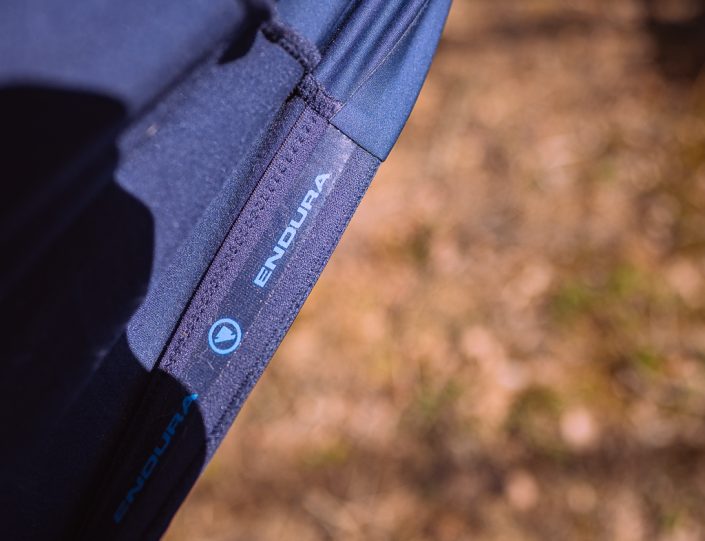
Take the Endura FS260-Pro Jetstream L/S Jersey II cycling jersey: it has a brushed inner face, so it feels soft against your skin even without a base layer. On cold days, a merino wool top fits well underneath. The chest and the front of the sleeves are windproof and water-repellent, while the back is highly breathable. Three large rear pockets take a small shell jacket, phone, gilet and an energy bar. A silicone gripper on the inside of the hem keeps the jersey in place.
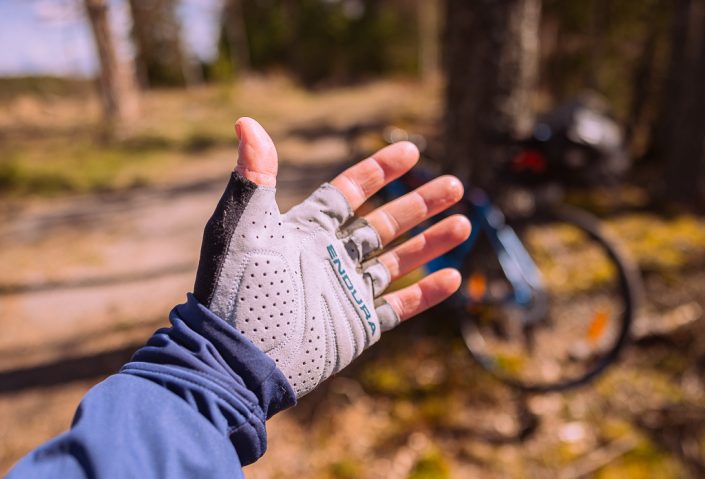
For gloves, a good pick is the gel-padded Endura Xtract Lite Mitt. They work well even in hot weather and give your hands solid cushioning. They're good for paddling too.
You'll find our full range of cycling clothing here.
All our cycling gear is here.
If you ride a lot, we recommend trying clothing and gear made for cycling. You don't need to – and shouldn't – buy everything at once. Upgrade your kit as you ride more, and along the way you'll learn which clothing and gear suit the way you ride.
Happy riding from all of us at Scandinavian Outdoor [U+1F642]