Mushroom foraging tips — how to make the most of your foraging trip
For many of us, our earliest memories of nature come from mushroom and berry picking trips with our parents or grandparents. This Nordic tradition is often passed down through families, and many of us learn to recognise the most important edible mushrooms as young children.
How to plan a successful mushroom foraging trip
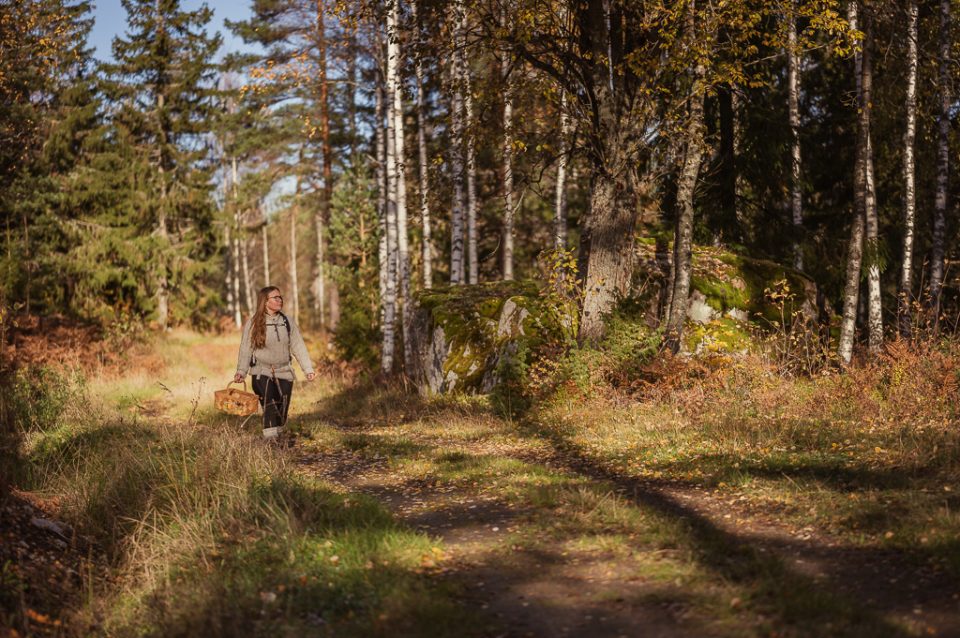
A mushroom foraging trip is a great thing to do with family or friends. If you treat it as a day out in nature rather than getting completely absorbed in filling your basket, the whole family usually enjoys it more. Focus on the time outdoors and good company instead of the size of your haul, and foraging becomes as much about enjoying the woods as anything else.
Dress warmly, but breathably
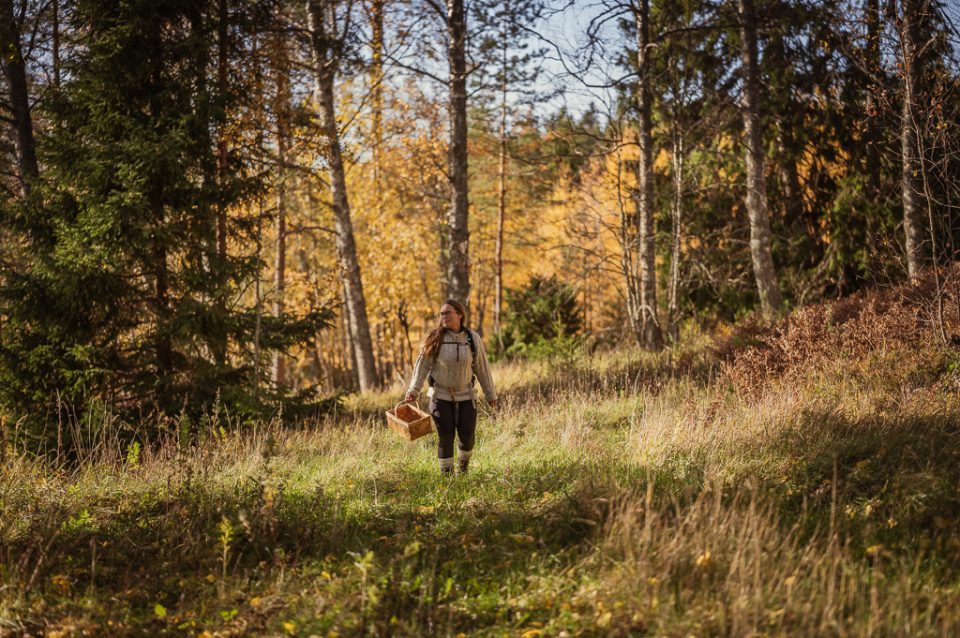
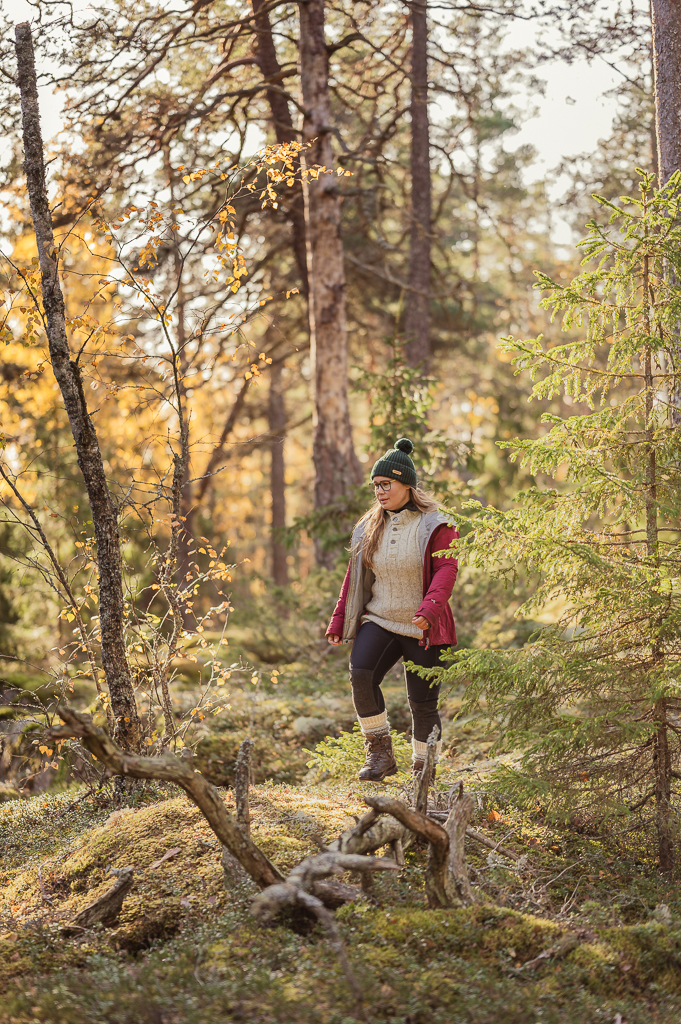
As on any trip outdoors, you'll stay dry and warm in all weathers on a foraging trip as long as you know how to dress for the conditions. If you're moving a lot, you'll usually stay warm – the problem is more likely to be sweating. Clothing that doesn't breathe well traps moisture against your skin, and damp skin makes you feel cold.
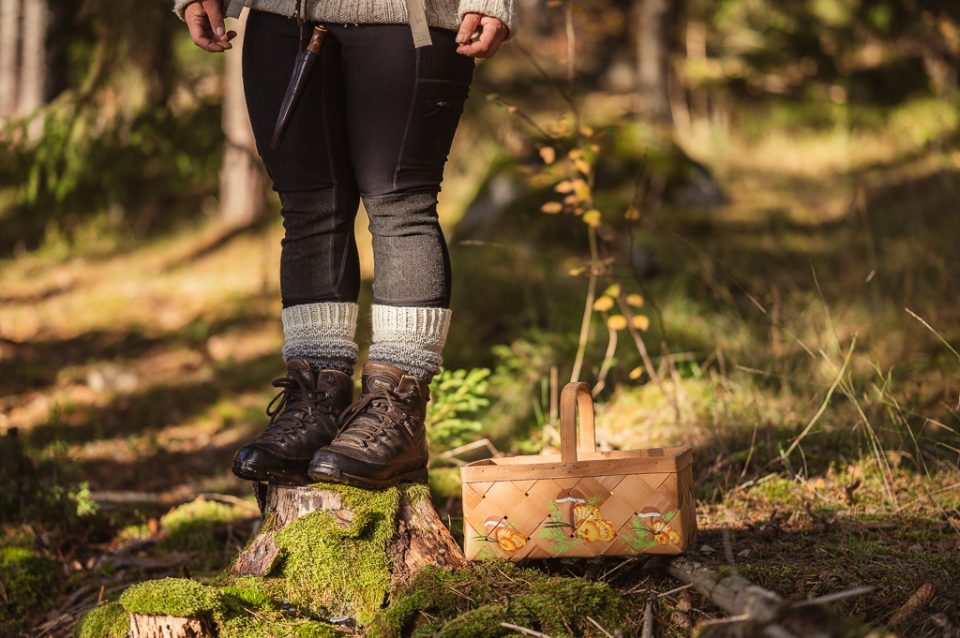
Good old wool socks still do the job today. If there's enough room in your boots, try the two-sock method: a thinner liner sock next to the skin and a thicker merino or regular wool sock on top.
Checklist for dressing for a foraging trip:
- Wear a technical or merino wool base layer
- Wool jumpers and fleeces breathe well and work as a mid layer
- A shell jacket protects you from wind and rain
- Keep your feet dry with waterproof, high-cut boots
- Bring a hat and gloves when it's cold
- Wear two merino wool socks layered on top of each other
Wearing two socks helps prevent blisters, as some of the friction stays between the two layers. If you've chosen the right boot size, two socks should fit with at least a centimetre of room to spare. That also keeps your feet warm.
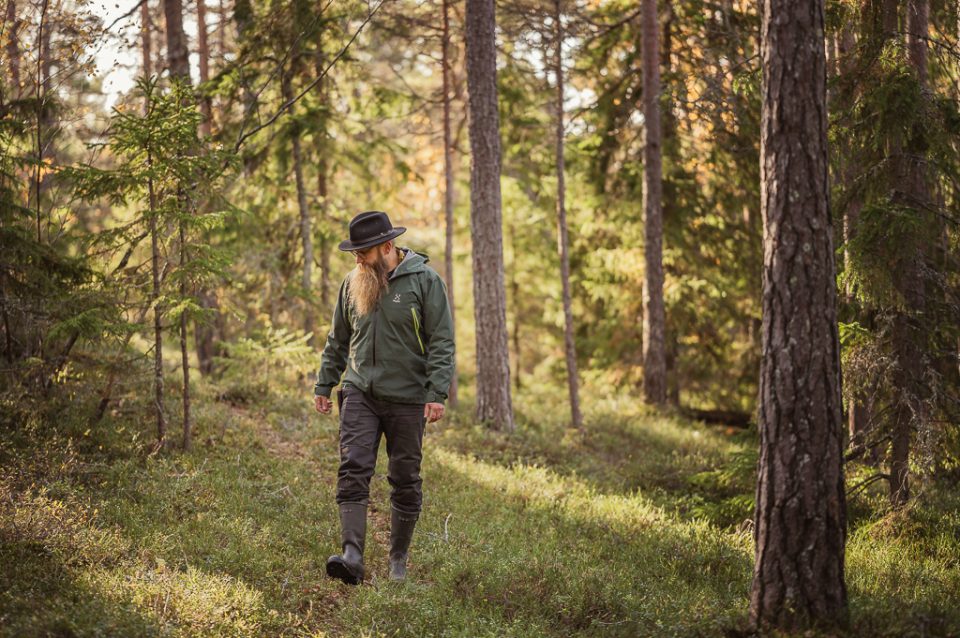
A brimmed hat gives some protection not only from the sun but also from deer keds. A felt hat is also very warm and keeps the wind off.
Wellies are most people's footwear of choice for foraging, but if you hike regularly you probably have other waterproof options too. Hiking boots work well in autumn woodland. It's also a good way to give your boots some use, so the soles don't fall apart when you finally head off on a proper hike – hiking boots shouldn't sit unused in the cupboard for too long. Woodland walks are also ideal for breaking in a new pair.
What's the bare minimum to take mushroom foraging?
You don't necessarily need to carry a backpack if it doesn't feel comfortable. You can leave your snacks in the car and eat them on the way or once you're home.
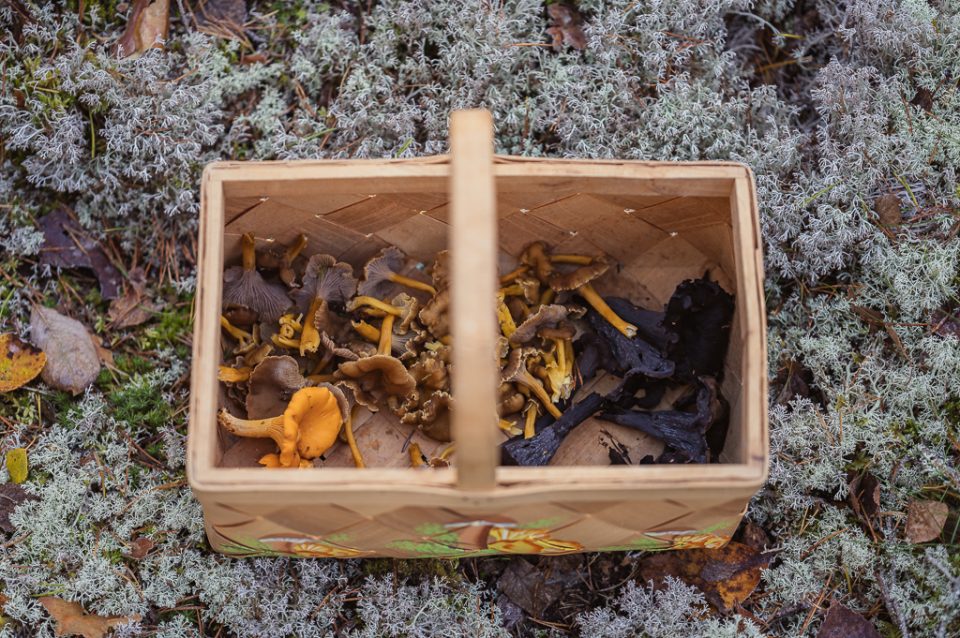
Mushrooms found on a foraging trip: funnel chanterelles, black trumpets and chanterelles.
Really, the only essential piece of kit is something to collect your mushrooms in – a container, bag or basket. Many people use a mushroom knife, but not everyone bothers. A regular bushcraft knife works as a mushroom knife too, but it doesn't need to be samurai-sword sharp – otherwise it's easy to cut yourself.
Taking a backpack on your foraging trip
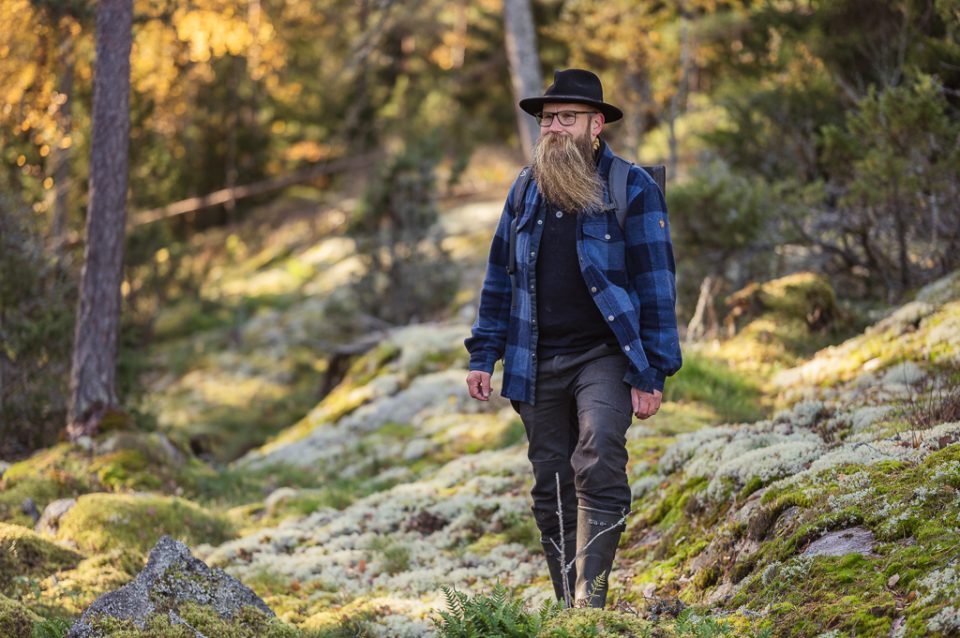
A light backpack is easy to carry while you forage. The pack itself should be lightweight, with a harness that fits your back well. Don't load it up too much, or bending down to pick mushrooms quickly becomes a chore.
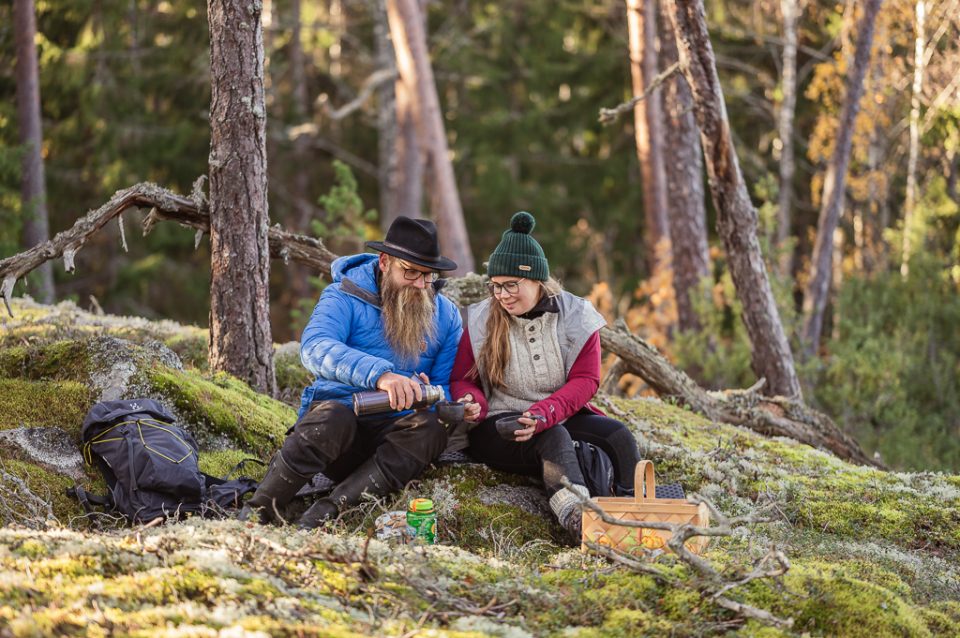
As on most outings, the snack break is often the highlight of a foraging trip. Hikers usually bring a warm layer for breaks, such as a lightweight down jacket, and a vacuum flask for a hot drink out in the woods. It's also worth packing sit pads or a closed-cell foam sleeping mat, which easily seats three people. A foam mat is bulky, but it weighs next to nothing.
Checklist of what to pack in your backpack for an autumn foraging trip:
- Water bottle with fresh drinking water
- Vacuum flask and cups (Kupilka cups or kuksas – avoid disposables)
- A warm layer for breaks, such as a lightweight down jacket
- Shell jacket if there's a chance of rain
- Light snacks, such as sandwiches
- Head torch
- Compass
- Plasters or a lightweight first aid kit
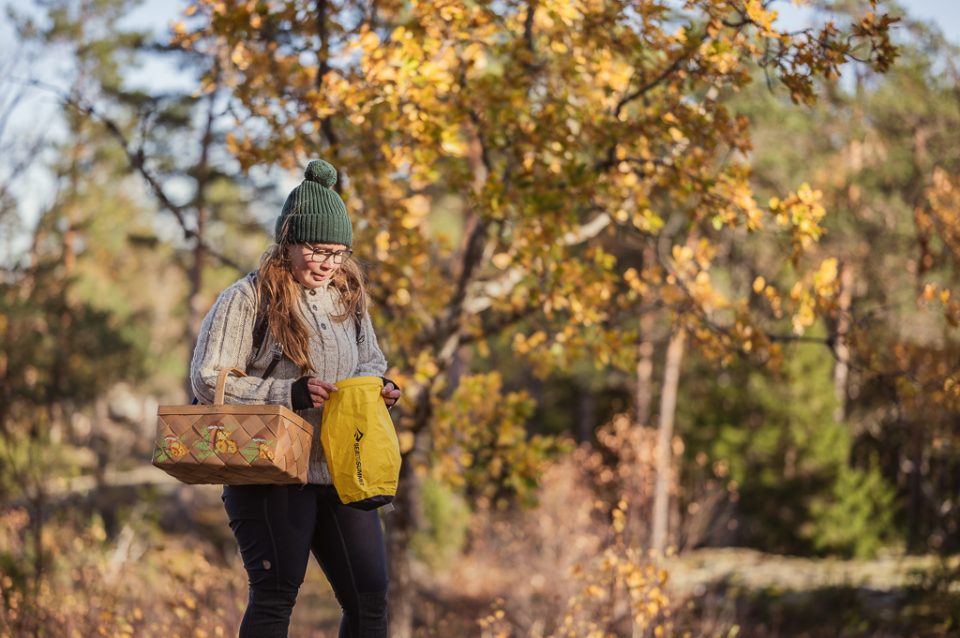
A spare bag often comes in handy. Sometimes you stumble on a surprise, like a bog full of cranberries or the last lingonberries of the season. If you've packed gear in a dry bag, it doubles as a berry bag – just rinse it out at home. Avoid plastic bags where you can and use bags that will last.
Think about safety and plan for the risks
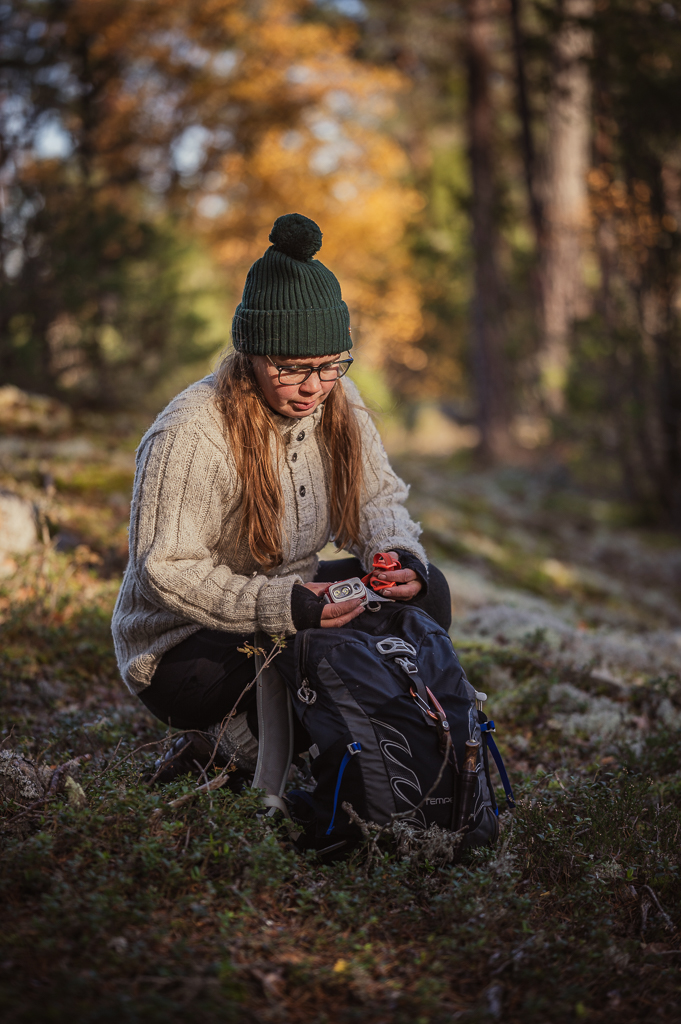
Foraging trips are generally safe outings for the whole family, but it's always worth thinking ahead about what could happen. The biggest risks are getting lost, minor injuries, a sudden change in the weather and darkness.
If any of these happen and the trip becomes too difficult, the usual solution is to head back to the car – in other words, to evacuate. Still, the aim is to avoid these situations in the first place by preparing well.
To avoid getting lost, study a map of the area before you go – you can also download topographic maps to your phone. Charge your phone fully before setting off, and consider installing an emergency app. Bright clothing makes it easier to keep the group together and stop people wandering off in different directions.
Boots with good grip and care when using your mushroom knife help prevent injuries. It's worth carrying a small first aid kit as well.
Check the weather forecast carefully beforehand and bring clothing that will keep you dry and warm. Look up what time the sun sets and plan your route so everyone is out of the woods before dark. Pack a head torch just in case.
Where to go mushroom foraging
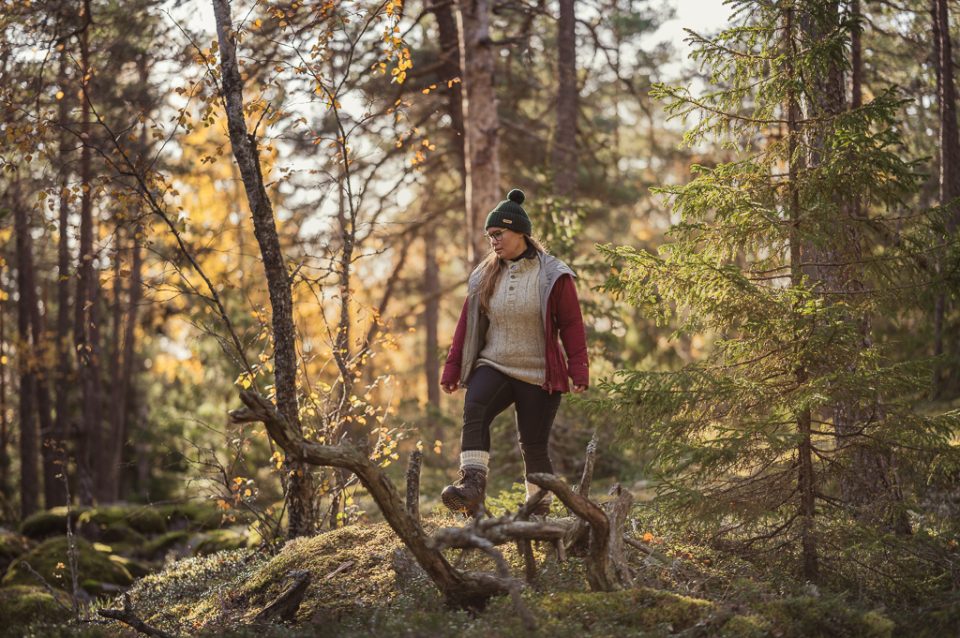
The golden rule of foraging is simple: only pick mushrooms you can identify with certainty. If you find identification tricky, start with chanterelles and funnel chanterelles. Bring along someone who can teach you, or sign up for a mushroom course. Mushroom field guides are also worth reading, and you can take one with you on the trip.
Always respect everyone's rights in nature and behave sensibly in the woods. Teach children from an early age that the forest is a fun place for adventure, but it has its own rules too. Don't damage the environment, and remember to leave other walkers to enjoy the peace and quiet.
The best mushroom spots are often kept secret. Even so, mushrooms keep coming back to good spots, even after they've been picked. You'll soon find your own favourite spots – make a note of them. Take a screenshot of the map so you can find your way back next time. The easiest spots might be in your local woods, and if you're really lucky, you can head out foraging straight from your front door.
Popular hiking areas are often good for foraging too. Picking mushrooms is generally allowed in national parks, and edible mushrooms can usually be picked in nature reserves as well. In strict nature reserves, however, you're often only allowed to stay on marked trails, and foraging may be prohibited. Always check the rules for the area before you go. Areas managed by Finland's Metsähallitus are easy to find on the luontoon.fi website.
Happy foraging from all of us at Scandinavian Outdoor!