How petrol and multi-fuel stoves work
A multi-fuel stove can run on gas, petrol, lamp oil, kerosene and more. The stove comes with jets in different sizes, and you always choose the jet to match the fuel.
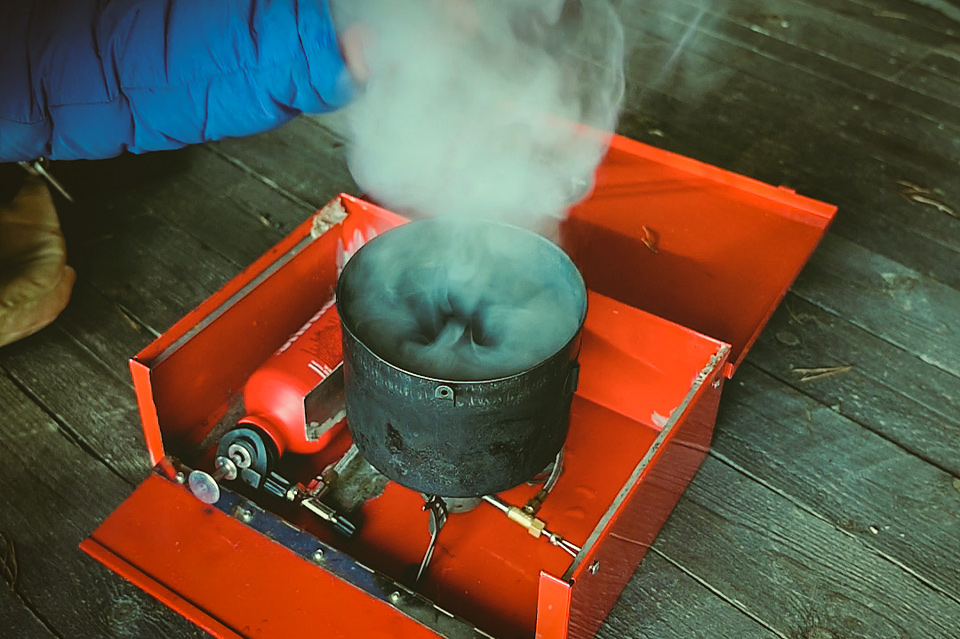
What is a multi-fuel stove?
- Runs on different fuels – you just swap the jet
- Often simply called a petrol stove
- Commonly used as a winter stove, with petrol as the fuel
- Not difficult to use, but more involved than a gas stove
- Petrol can be dangerous if you're not confident handling it
- Petrol performs more reliably in the cold than gas

Multi-fuel stoves are typically used on ski tours where hard frosts are a real risk. The stove works hard: on top of cooking, it melts snow for all your drinking water.
What is a multi-fuel stove for?
The whole idea behind a multi-fuel stove is versatility. If you're travelling the world and can't always be sure which fuel you'll find along the way, it gives you more options.

Here in the Nordic countries, multi-fuel stoves are mostly used in winter, when a gas stove starts to become unreliable. Alkylate petrol – the kind sold for small engines – has proven a good alternative to gas.
A gas stove becomes unreliable at temperatures below -20 °C at the latest. Read more on the subject here. Alkylate petrol still works as a fuel at −40…−60 °C. That's why a multi-fuel stove is often a specialist stove for cold winter conditions.
How a multi-fuel stove works
Running on camping gas
When you use gas, fit the jet designed for gas. Jet sizes vary between manufacturers, so check the correct size with the stove maker. Screw the gas canister onto the stove's fuel line, and it works exactly like a remote-canister gas stove.
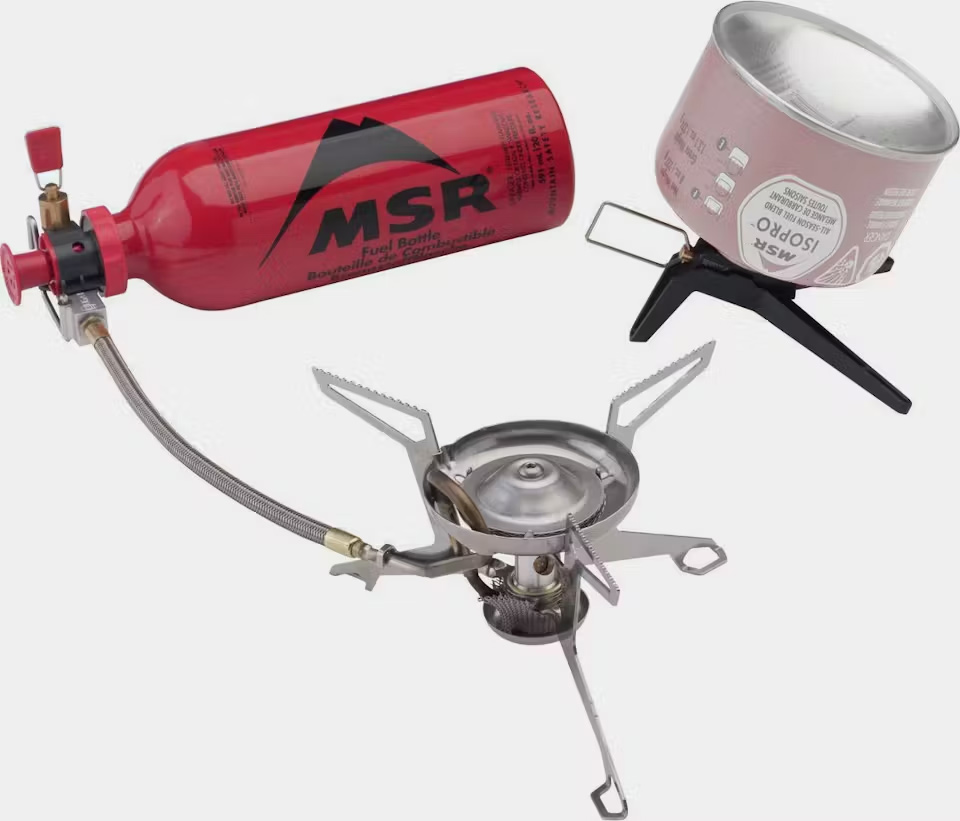
The MSR Whisperlite comes in two versions. Pictured is the Universal, which also takes gas canisters. The International version only runs on liquid fuels from a fuel bottle.
Running on lamp oil, heating oil or similar
These “dirtier” fuels are mainly a fallback for emergencies. Jets can clog easily and the burn isn't clean. Where possible, stick to gas and refined petrol.
Running on refined petrol
When using petrol, fit the correct jet and use the cleanest fuel you can get. If you use 95 unleaded or similar petrol from a filling station pump, the jet will clog often, and burning it produces toxins nobody wants in their lungs.
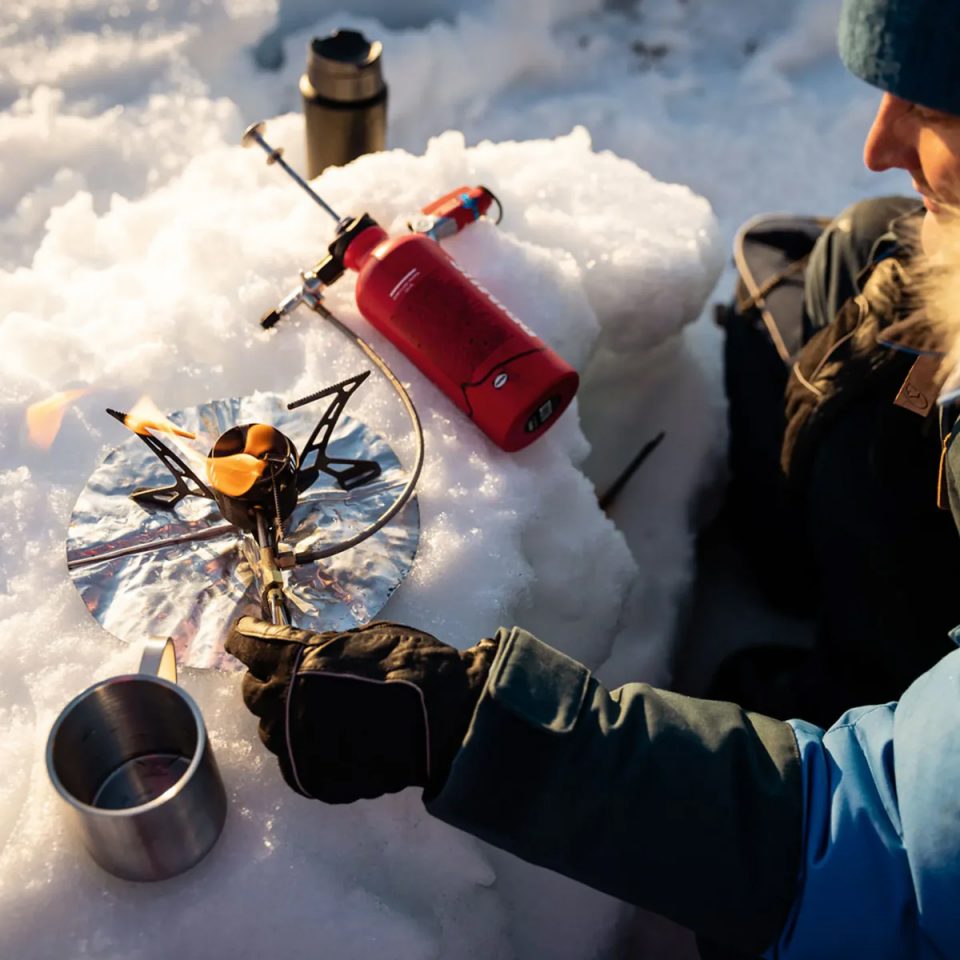
Thanks to its titanium body, the Primus Omnilite Ti is a very light multi-fuel stove. Both the bottle and the stove have their own control valve. The fuel pump plunger is metal, so you won't break it by accident, even in a hard frost.
It's best to use fuel made for the purpose, such as Primus Power Fuel. You can also use widely available alkylate petrol for small engines – choose the four-stroke (4T) type. These fuels burn cleaner and don't clog the stove's jets as often.
Take extra care when using petrol. Practise plenty in safe conditions first. We also recommend getting a stove box: it gives your stove a level, non-flammable base, and in an emergency you can even close the lid.
Using a petrol stove
- Get a stove box and use the stove in a safe spot
- Fit the correct jet
- Make sure the valve or valves are closed
- Fill the fuel bottle, keeping to the max fill line
- Pump to pressurise the bottle
- Prime the stove (with petrol or methylated spirits)
- Light it with a match, a lighter or a fire steel
Watch the video to see how a multi-fuel stove works:
Using a petrol stove differs slightly between manufacturers, but the basics are the same. The key difference from a gas stove is priming. If you don't prime it properly, the stove throws out large flames and the risk of fire is very high! Practise until you're confident, so you can run the stove even when you're tired and hungry.
Practise cleaning and troubleshooting your stove
Gas stoves are fairly maintenance-free, but a multi-fuel stove needs looking after. Read the documentation that comes with the stove and keep on top of maintenance, such as lubricating the O-rings.
When you run on petrol, a clogged jet isn't unusual. Practise cleaning it – you'll often be doing it tired, by headtorch, with bare fingers in sub-zero temperatures.
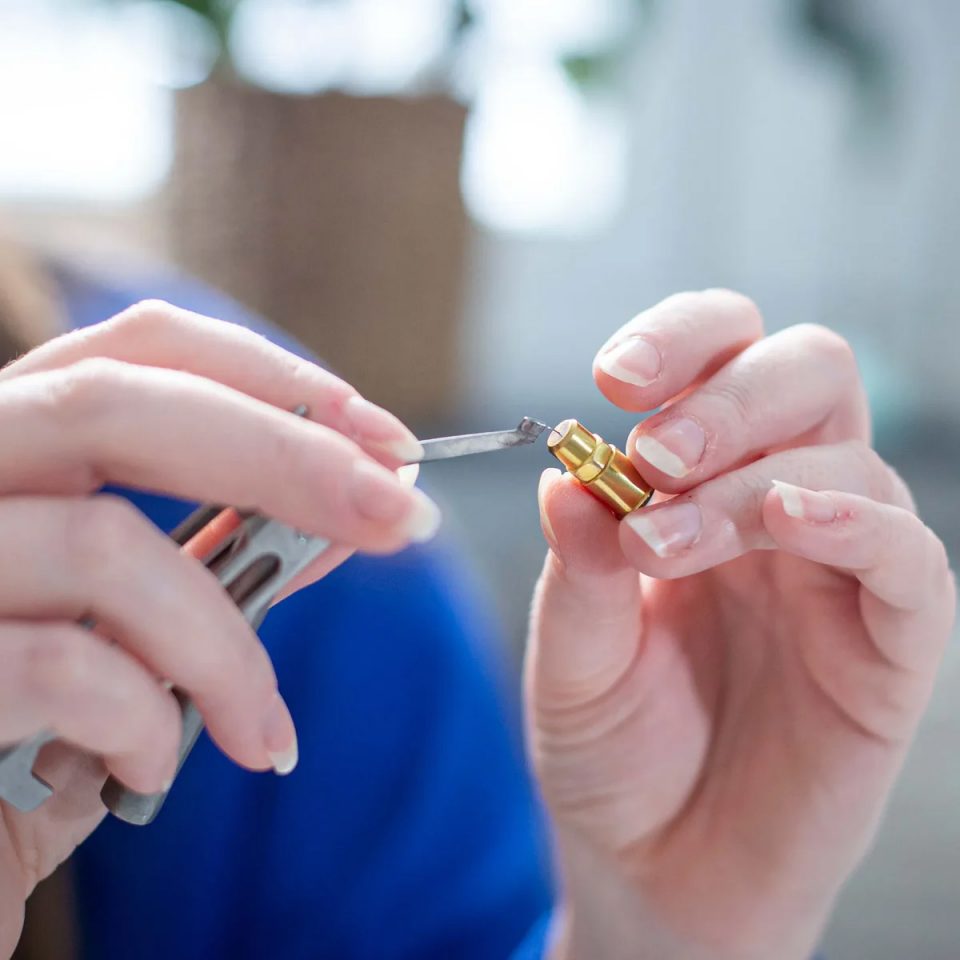
On Primus stoves, you clear a clogged fuel jet with the supplied multi-tool, which has a cleaning needle. The MSR Whisperlite has a built-in needle – you clean it simply by shaking the stove.
A petrol stove isn't as dependable as a gas stove. Learn how yours works and how to troubleshoot it. On a ski tour especially, where you melt snow for drinking water, the stove is a critical piece of kit – if it breaks, it could even end your trip. You'll find plenty of how-to videos for these stoves on YouTube.
We also stock service kits for multi-fuel stoves, for example:
MSR XKG + EX Service Kit, MSR Whisperlite Service Kit, MSR Fuel Pump, Primus OmniLite Ti Service Kit, Primus Service Kit Fuel Pumps.
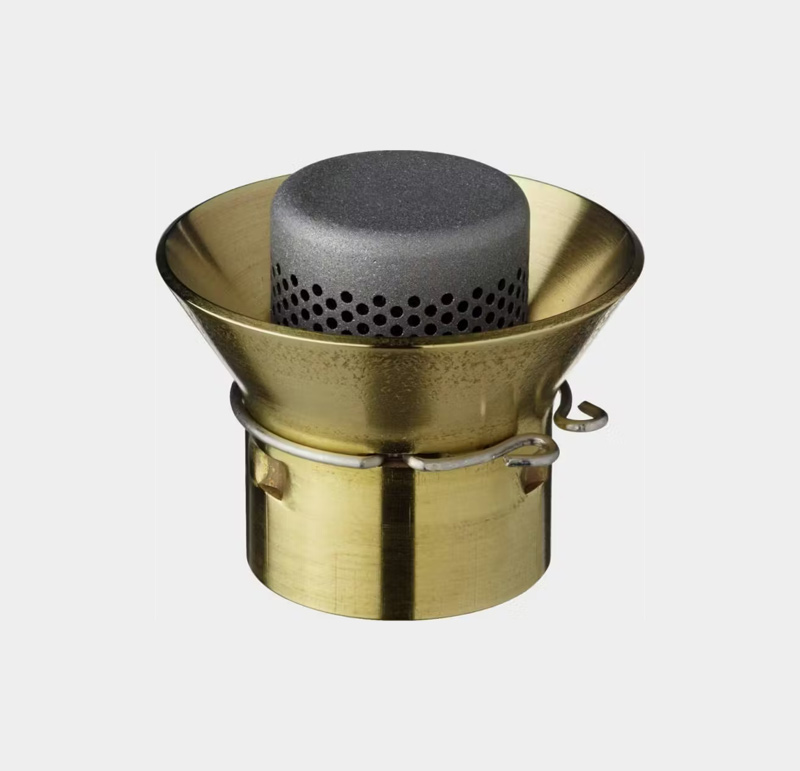
The Primus Omnilite Ti is a very loud multi-fuel stove, but with a silencer you can make it almost silent.