Tips for Getting Ready to Go Sailing
The author is a fire station officer with the Western Uusimaa Rescue Department. He sails, skis off-piste, climbs mountains and runs trails. He also works part-time at our Tammisto store, where he draws on that broad experience to help customers.
9 tips for getting ready to sail
- Check your lifejackets and practise using them
Regular lifejacket checks and practice are a core part of staying safe on the water. Getting someone back on board after they've gone overboard is hard work, even in good conditions. - Test your marine VHF radio before you head out
Mobile coverage in the archipelago can be patchy, so your VHF is a vital lifeline in an emergency. - Practise sea survival hands-on
Sea survival courses let you practise things like hauling a casualty out of the water and climbing into a liferaft. - Plan your route and study the charts in advance
Planning with charts and harbour guides is part of the adventure itself, and it makes navigating easier. - Prepare for changing weather and compare forecasts
Conditions at sea can turn quickly, so the weather deserves a big share of your preparation. Compare several forecasts to get a more reliable picture. - Practise with both electronic and traditional navigation tools
Keep paper charts on board and learn to use them. Electronic aids won't always give you an accurate position. - Pack enough food and drink
The length of your passage decides how much food you need and what kind. Make sure it's easy to eat when the boat is rolling. - Think about the children and get them involved
Kids pick up safety and the basics of boating best when they help out with jobs on board, starting in the harbour. - Bring backup power for your electronics
Charging options on a boat are limited, so a spare battery or power bank keeps your devices running.
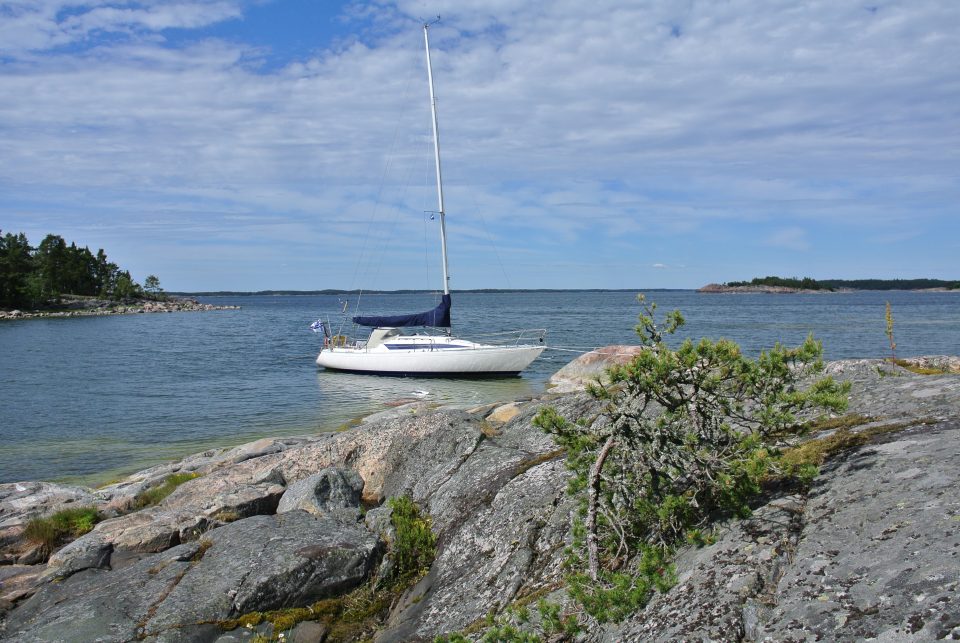
The spring sun warms the boatyard and gets everyone busy between the hulls. The skis have been serviced and stored for the summer, and it's time to pull the covers off the boats. There are plenty of small jobs to do. Maybe a new chartplotter, some new fittings, or refitting a freshly serviced heater. The smell of boat wax already promises summer adventures at sea, and soon the hulls will be gleaming as brightly as the lapping waves.
Freedom has always been an inseparable part of sailing and being out on the water. Being free to choose your own route and destination opens up endless possibilities for adventures big and small. And how much freedom you have depends directly on how well you prepare. (The crew of S/y Silvermoon prepare so they have as many options as possible once they're under way. This is how we get ready for our own adventure.)
Safety starts before you leave the pontoon
Safety isn't about nothing ever happening. It's about making sure that when something does happen, nothing comes of it. So it pays to learn to anticipate the unexpected, and avoid it where you can. Courses are a great way to learn new skills and refresh old ones. The best known are the archipelago and coastal skipper courses.
Alongside safe navigation, these courses cover marine weather and the collision regulations, and they help build a good safety culture. The boaters' sea survival course is designed for small-boat sailors who need to be able to rescue themselves.
At Lohjan Meriturva's training pool, you can practise lifting someone out of the water into a boat, climbing into a liferaft and much more. Waves, wind and rain are simulated in the pool, so you get a realistic rehearsal for the real thing, safely and with an experienced instructor on hand.
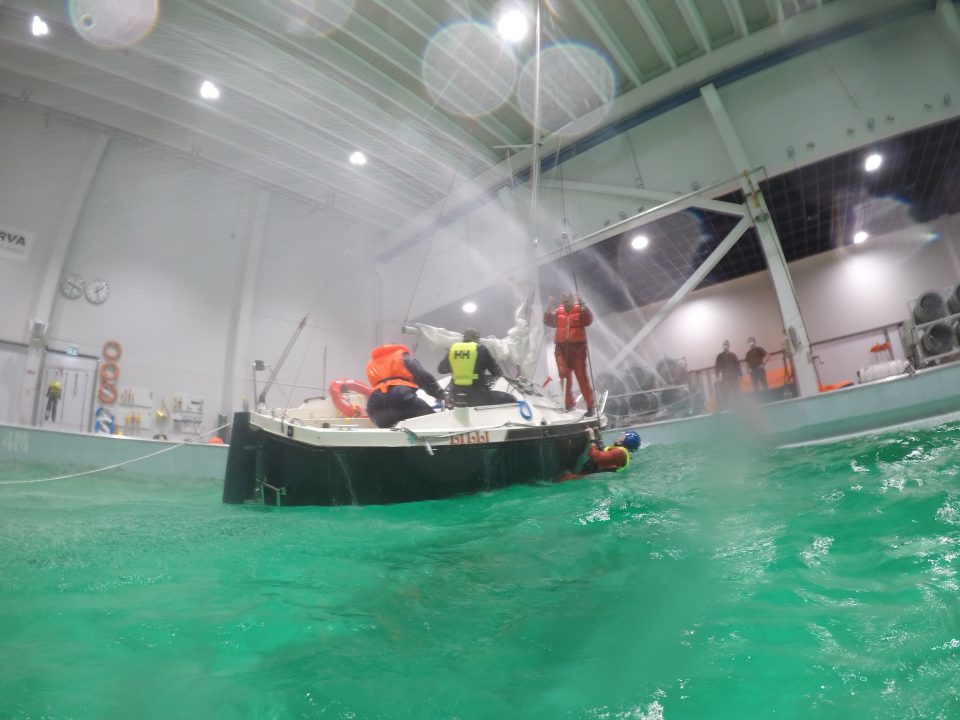
The S/y Silvermoon crew on a sea survival course
In spring, before the first sail of the season, we do an inflation test on our automatic lifejackets and check their condition, along with the expiry dates on the gas cylinders and firing mechanisms. It's a good habit to wear a lifejacket pretty much whenever you're on the boat. Getting someone who has fallen overboard back on board can be really hard work, even in good conditions.
Stay connected at sea
Test your boat's marine VHF radio a couple of times during the season. Mobile coverage in the archipelago can be surprisingly weak, and then VHF is the only reliable way to reach the authorities in an emergency. It's also worth teaching children how to use the DSC function, in case an adult can't raise the alarm. Fire extinguisher servicing is checked during the boat's inspection. Keep your first aid skills up to date too, because outside help can take a long time to reach you in the archipelago. In that sense, the islands and open sea are much like remote fells and wilderness.
Plan your route ashore
Planning a sailing trip is a big part of the adventure in itself. There's something magical about poring over charts. For decades, the blue harbour guides published by Turun Partio-Sissit have shown leisure sailors countless new places to land and explore the beautiful archipelago. Social media groups and their content are gradually taking over from printed books and charts.
Still, in the evening, sitting in the boat by candle- or lantern-light in a warm wool jumper, there's nothing quite like looking over a paper chart together and using the harbour guide to plan the next few days' legs.
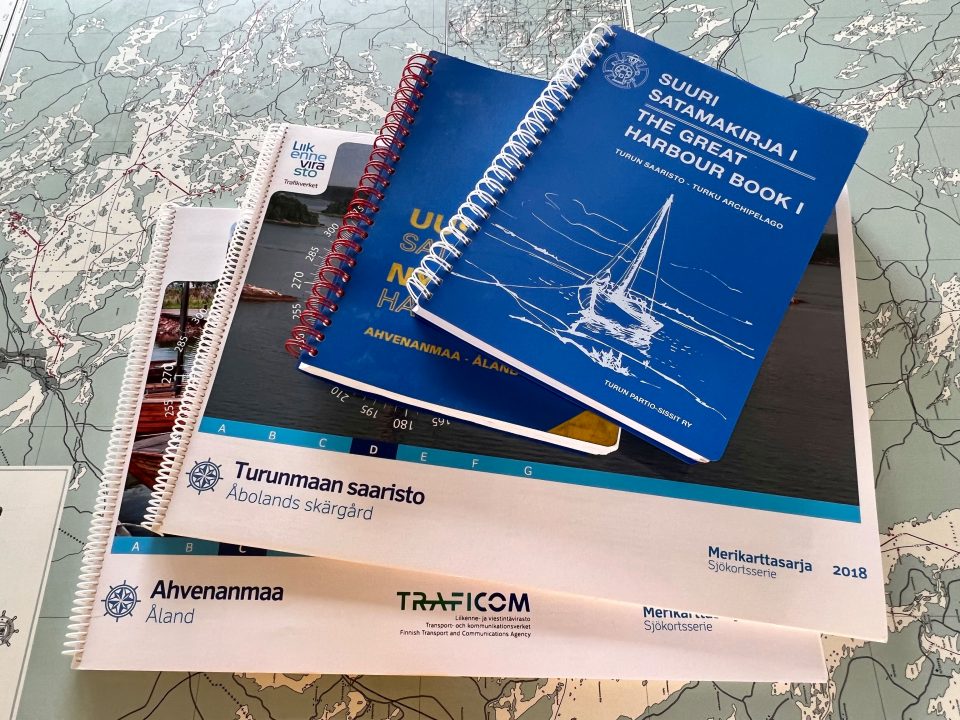
Turun Partio-Sissit harbour guides
The weather decides – be ready for change
A sailor has arrived the moment the lines come off the pontoon. In spirit, though, you're there even sooner: once the planned route is drawn on the chartplotter and the chart, the adventure has already begun.
Even if the weather looks gentle when you set off and the visibility in the sunshine seems endless, be ready for sudden changes. There are plenty of weather services across different platforms. Compare the different weather models and build your own forecast from them.
Sea fog can roll in fast, so stay on top of your navigation even when visibility is good. Don't rely on the chartplotter alone – you should be able to fix your position quickly on a paper chart. Work out in advance how you'll navigate when it's choppy and the boat is rolling. Practise using a paper chart in rough conditions beforehand, even if you have electronic aids on board.
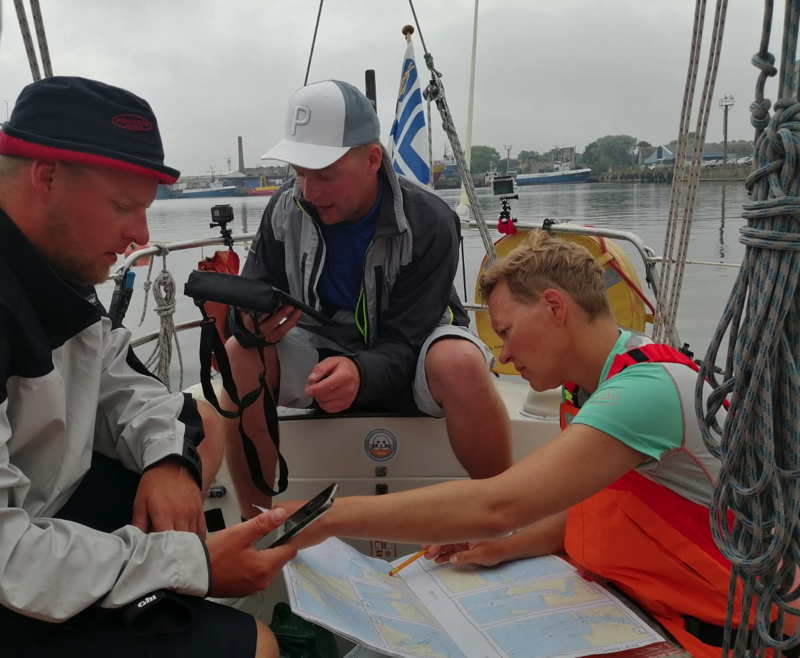
Working on the passage plan
Food, kit and keeping life on board simple
The length of your trip decides how much food you take and what kind. The only real difference between boating and other outdoor trips is that you might have a fridge – and not every boat does. On longer trips, keeping things cold is a challenge even with a fridge on board. A tried-and-tested trick is to freeze cartons of fresh juice and use them as ice packs in a cool bag to keep fresh food chilled.
Drying food works just as well on a boat as on a multi-day hike. Dehydrated mince and instant mash taste every bit as good on board as they do on a camping trip. Prepare the food you'll eat while sailing in advance, and think about how easy it will be to eat under way.
Ready-made, filling salads make a light lunch during a day's sailing. Try couscous as a base, with fresh avocado, cold-smoked salmon and lime juice. Your imagination is the only limit. Just-add-hot-water trail meals work brilliantly on the water. Boil water in the harbour and fill your flasks, so you can have a hot meal under way even when it's a bit lumpy. Keep some emergency rations on board too, in case the weather turns and forces you to change your plans.
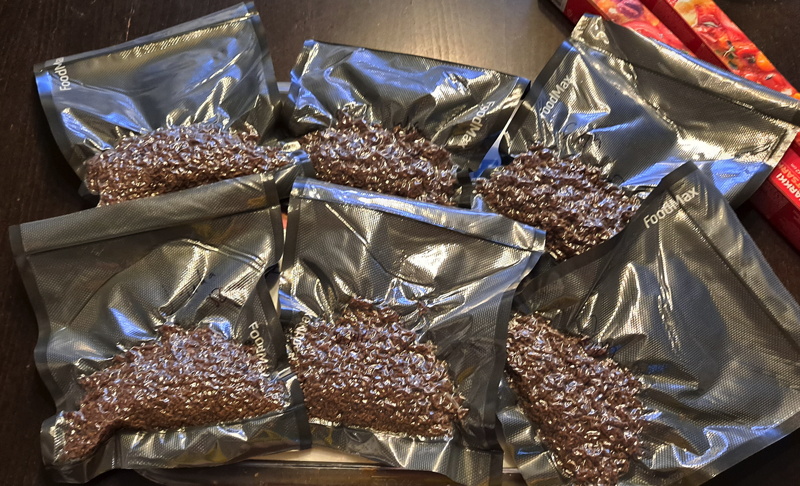
Dehydrated mince
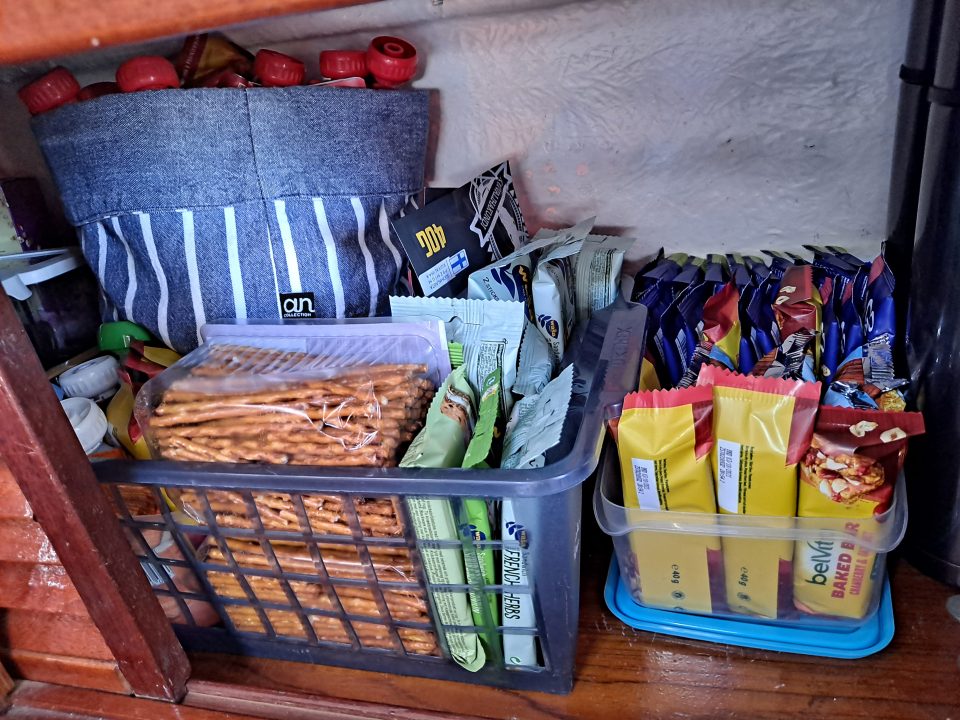
Easy-to-eat trail food
Get the whole crew involved
If you're sailing with children, factor them into your preparations. Kids are very adaptable and will find their own things to do on board – as long as we adults give them the time.
Get them used to wearing lifejackets on the pontoon, because that's where children are most likely to end up in the water. That way they learn why lifejackets matter, and they're happy to keep them on when they're out on deck.
Charging options for mobile devices are limited on a boat, so pack power banks for longer days. Involve the kids in the sailing as much as you can. It's how you pass on a respect for nature and for the unique archipelago. Binoculars and a bird guide are a must, too – the archipelago is a birdwatcher's paradise.
Well planned is half done. On the water, preparation matters even more, and it's what makes great adventures possible.