Packing list for an overnight trip
In this post, we share tips and a packing list for an overnight trip outside the snow season. People often say that a single night out needs all the same gear as a week-long hike, just with less food.
In that case, the packing list would be the same as the one we put together for a week-long hike.
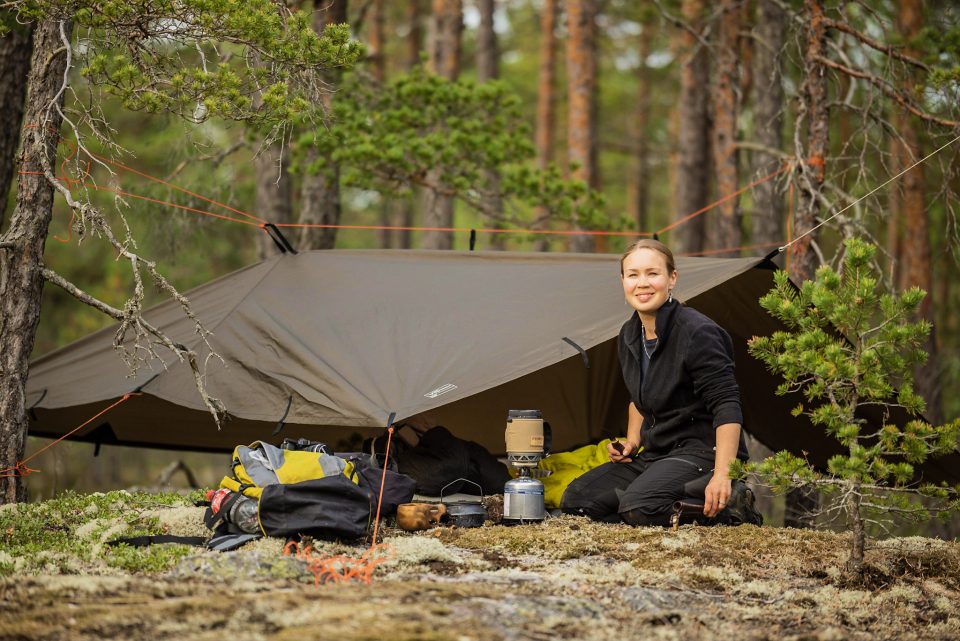
A tarp is a versatile shelter. A lightweight tarp packs down small and is easy to bring along.
But you can also head out for a night with a much lighter load, and that opens up a whole new set of options. Eat a hot meal before you leave or somewhere along the way, and you only need to carry an evening snack and breakfast. You can even leave the stove at home.
Packing list for an overnight trip:
- Shelter (e.g. a tent, hammock or tarp)
- Sleeping mat
- Sleeping bag or quilt
- Food and drink for the evening and morning
- Warm layers for the evening
- First aid kit
- Small essentials (repair kit, toiletries, etc.)
Why pack light?
You can always bring more gear, go on a traditional hike and spend the night out. But compact kit lets you do things you otherwise couldn't, and takes away many of the limits that weight and bulk put on you.
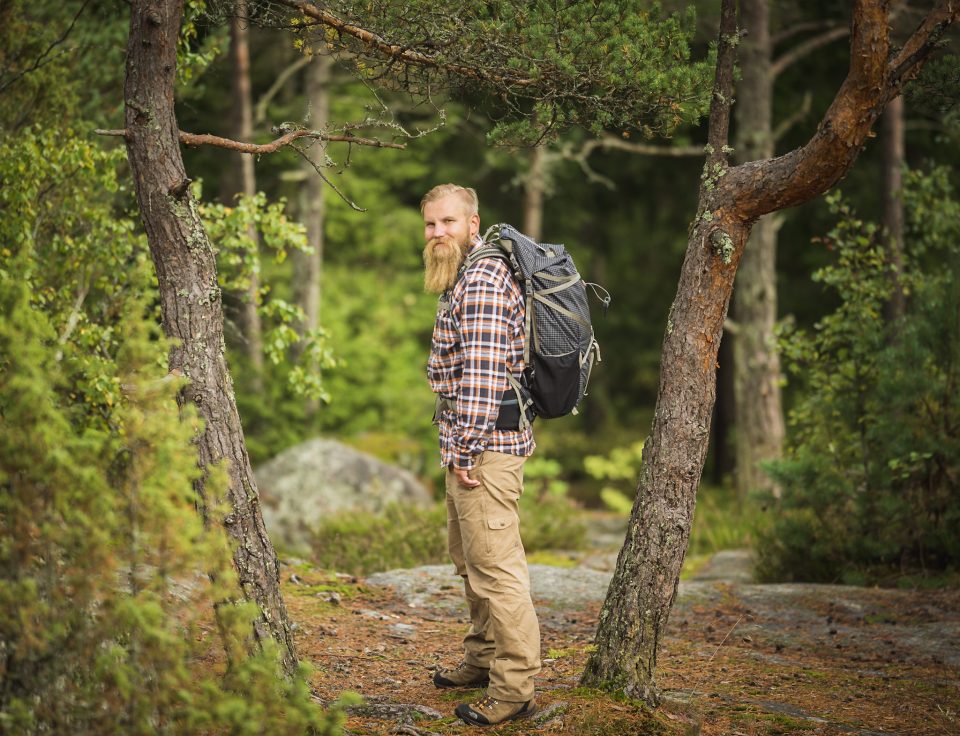
With a light pack instead of a big rucksack, you'll have the energy to cover longer distances, and it opens up new ways of getting around.
Bikepacking is great fun. You can cover more ground and reach places you wouldn't get to on foot. Bike bags hold a lot of gear, and anything that doesn't fit can go in a backpack. You can even camp out on a weeknight: just get up a bit earlier and cycle straight to work.
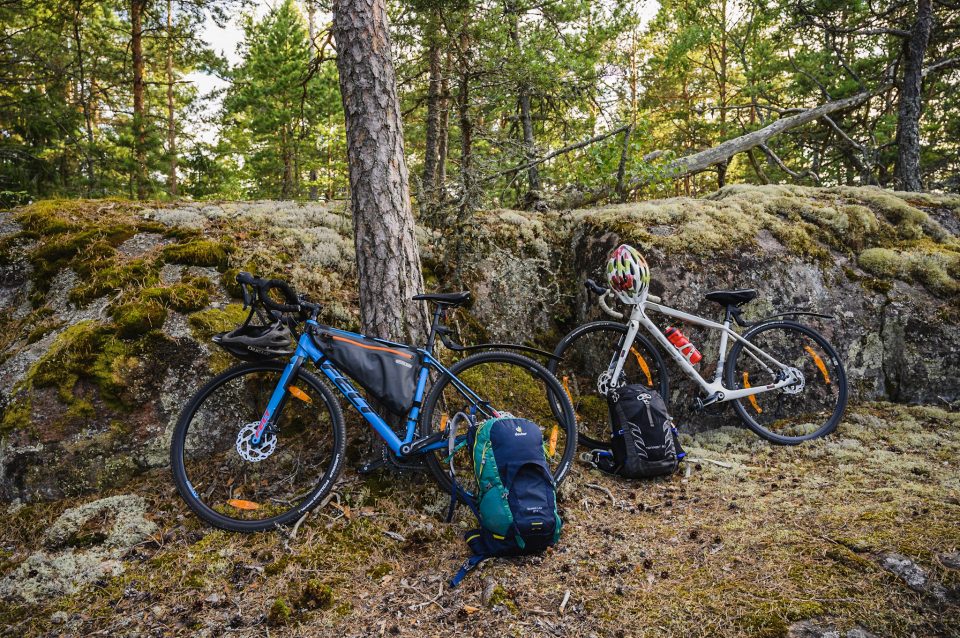
By bike, long distances are easy when you camp out along the way. You'll get memorable experiences and save on accommodation.
Many of us also live close to a lake, river or the coast. A kayak or canoe gets you to camping spots you'd never reach otherwise. Where the right to roam applies, you can make use of it, but check for nature reserves first, and remember that many islands are off-limits during the bird nesting season.
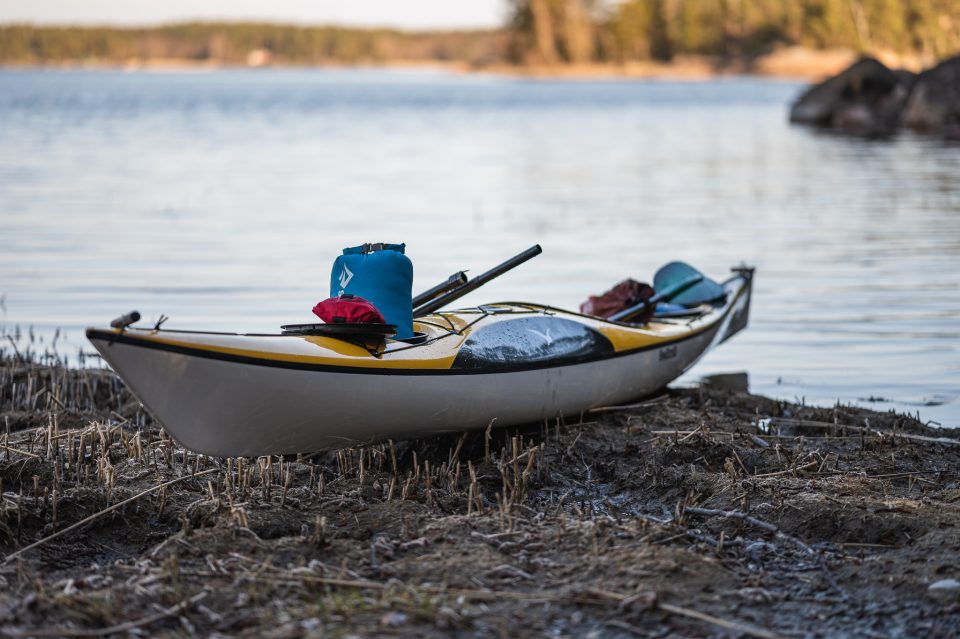
On the water, pack all your clothes and anything that shouldn't get wet in dry bags.
The biggest challenge is usually the shelter. Tents tend to be bulky and heavy. Consider a lighter tent, a hammock or a tarp instead. With a tarp, it's worth bringing a groundsheet too, plus a mosquito net when the bugs are out.
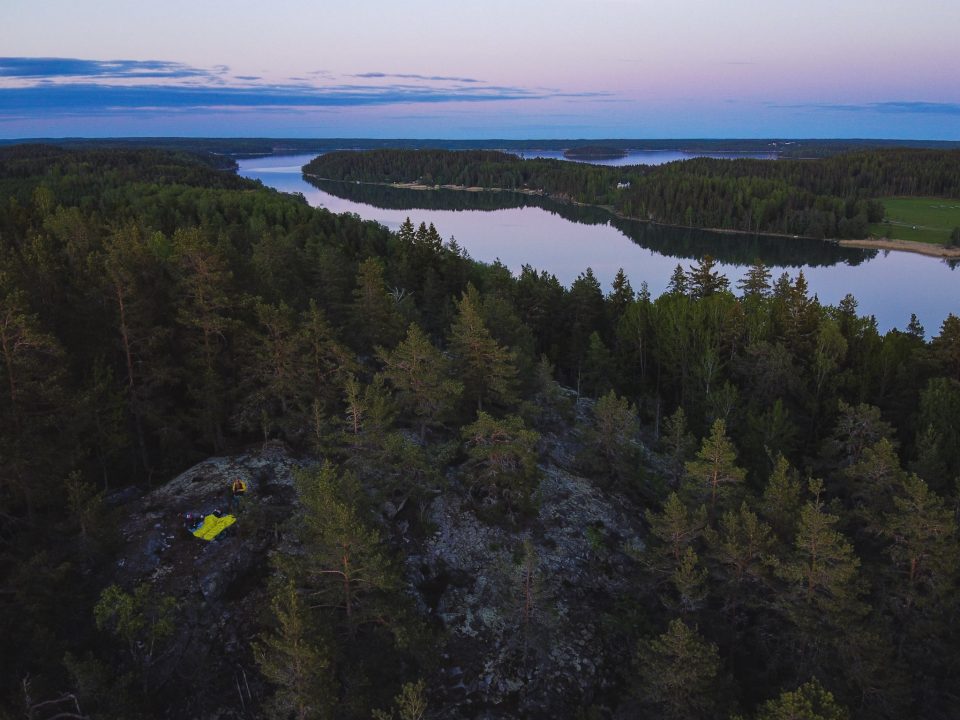
In spring, before the mosquitoes appear, you can sleep out on a dry night without any shelter at all.
When it comes to sleeping bags, a good down bag packs down small, and the lightest inflatable sleeping mats roll up into a compact bundle. For warmth in the evening, a lightweight down jacket or lightweight synthetic insulated jacket does the job.
Whatever you leave behind, always pack first aid and repair supplies. Put together a small pouch for each and take them on every trip.