Expert outdoor tips for trail running: how do you choose trail running shoes?
Trail running, off-road running, cross-country running – this much-loved sport goes by many names! In this article, we share tips on choosing trail running shoes and getting started.
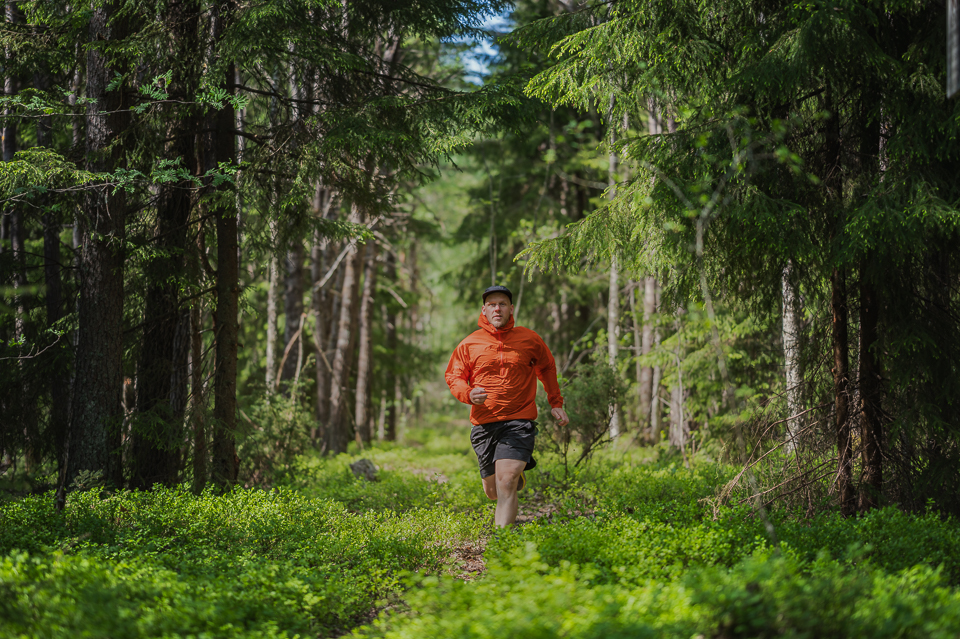
On the trails, the ups and downs keep your heart rate varied. Uneven terrain also works your body in far more ways than running on a flat surface. Ten kilometres on trails is a completely different experience from the same distance on tarmac. Every now and then, you'll feel like you're flying along. Running out in nature is genuinely rewarding, and we recommend everyone gives it a try – chances are you'll get hooked.
So what should you look for in a trail running shoe?
Some shoes are built for specific surfaces. The very grippy Speedcross series works well in woodland, for example, but its soft outsole wears smooth more quickly on tarmac.
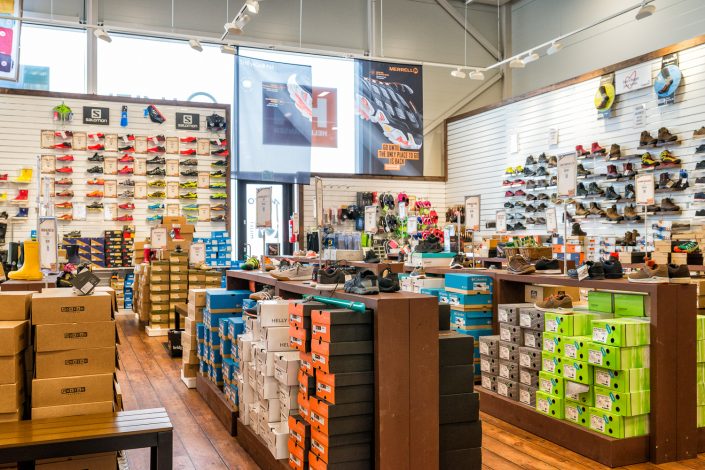
If you spend more time on tarmac, Hoka's Speedgoat shoes are a better fit, with a hard-wearing outsole, good grip off-road and more cushioning in the heel. If you're after a sturdier shoe for day hikes or even fastpacking, Salomon's XA Pro series is a good choice thanks to its stability.
That said, most shoes handle a mix of surfaces, and for shorter runs any trail running shoe will do the job on any terrain.
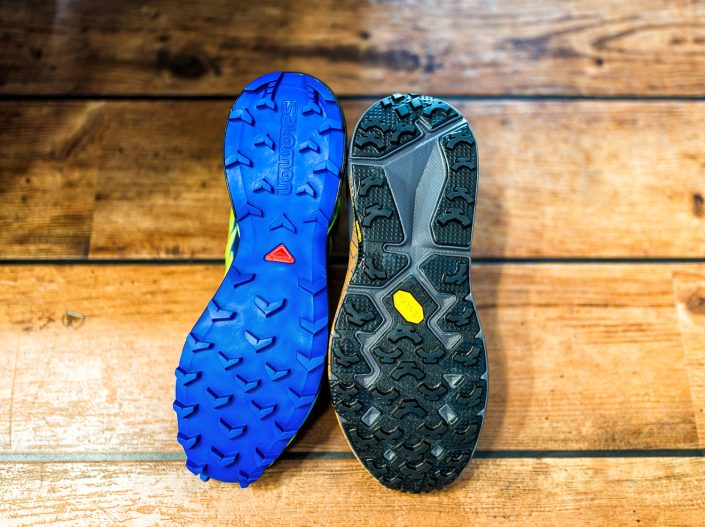
Outsole tread patterns: Salomon Speedcross on the left and Hoka Speedgoat on the right.
Six tips for buying trail running shoes:
- The shoe needs to be exactly the right size with a last that suits your foot: snug, but not tight.
- Your toes shouldn't touch the front of the shoe, as trail running often involves a lot of uphill and downhill running. Otherwise the shoe wears out faster and you risk losing toenails.
- A grippy outsole – which you'll find on almost every model these days.
- The right shoe for the right surface, or an all-rounder for every surface.
- Buy your shoes in store if you can, so you can try them on.
- Beginners usually need more cushioning in the sole. As you gain experience, you can reduce the cushioning.
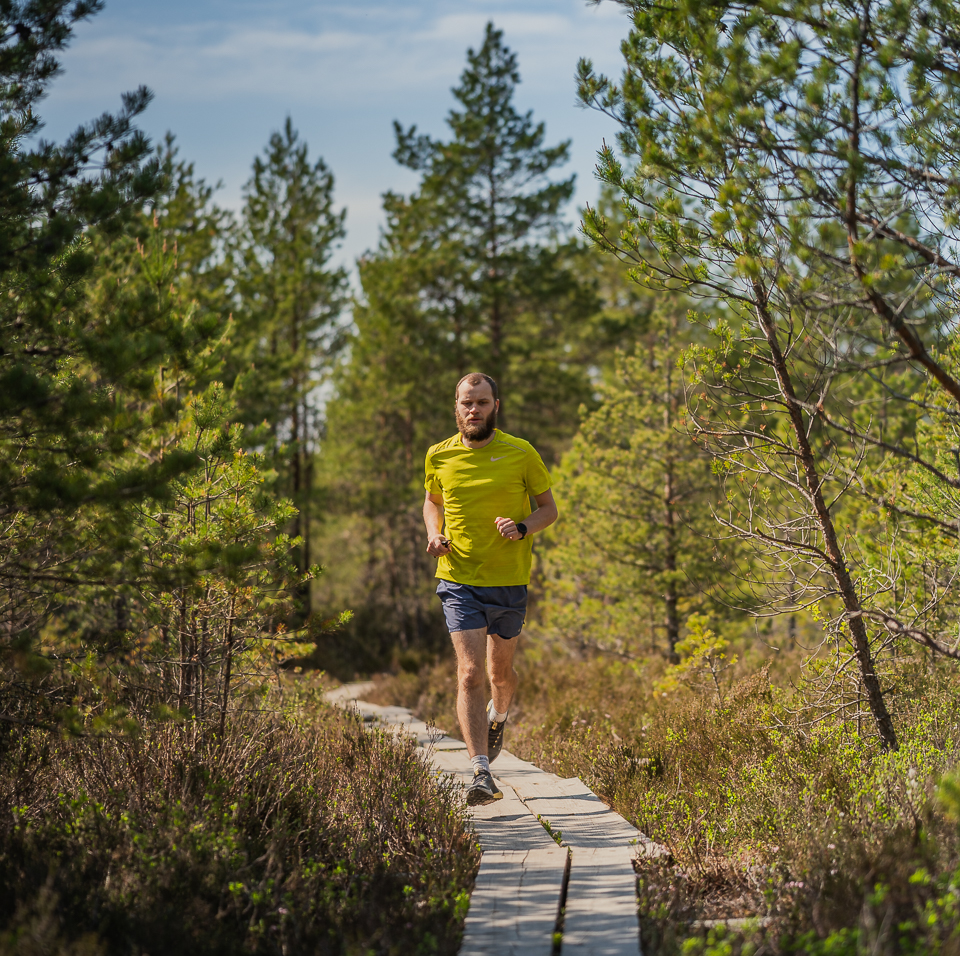
What's the difference between a road running shoe and a trail running shoe?
You might be wondering how a trail running shoe differs from a regular running shoe.
Trail running is quite a different sport from running on tarmac. On the trails, you need better grip, which comes from a softer outsole compound. Road running shoes also tend to have more cushioning. Your running style changes on the trails, too: your stride is shorter and you land more on the forefoot. That's why the sole profile of a trail running shoe is fairly flat from heel to toe.
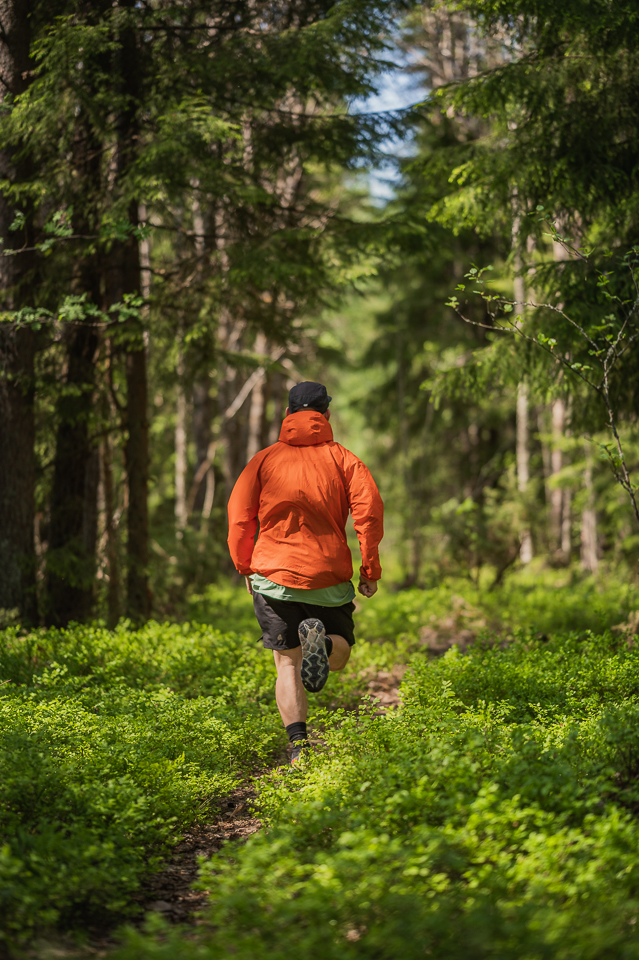
Trail running shoes generally have a sturdier sole than shoes made for road running. A stiffer sole gives you a better feel for the terrain and more support on uneven ground, helping to protect you from things like twisted ankles.
The uppers on trail running shoes are made to withstand more wear when you're pushing through undergrowth. Waterproofing isn't necessary, because water will get in over the collar anyway. That's why the materials let water through and dry quickly.
What kind of socks should you wear with trail running shoes?
Go for a sock that's slightly thicker than a standard running sock. A thicker sock adds cushioning, feels soft on your foot and helps prevent rubbing.
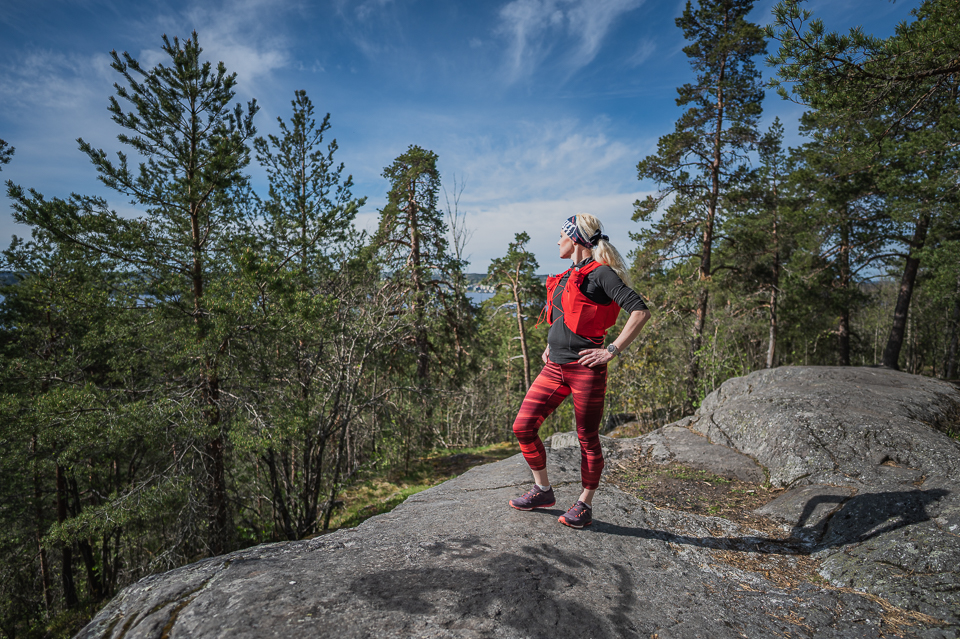
You could also wear gaiters, such as the Salomon Trail Gaiters Low. Gaiters protect both your ankles and the shoe itself, and they stop debris getting inside.
How to care for your trail running shoes
Materials vary from model to model, but the care routine is much the same. After a run, clean your shoes – rinsing them with water works well. Take the insoles out too, so the shoes dry faster.
You can also re-proof your shoes with a footwear proofing spray. It protects the fabric against dirt and moisture, so mud doesn't stick as easily and washes off more readily when it does.
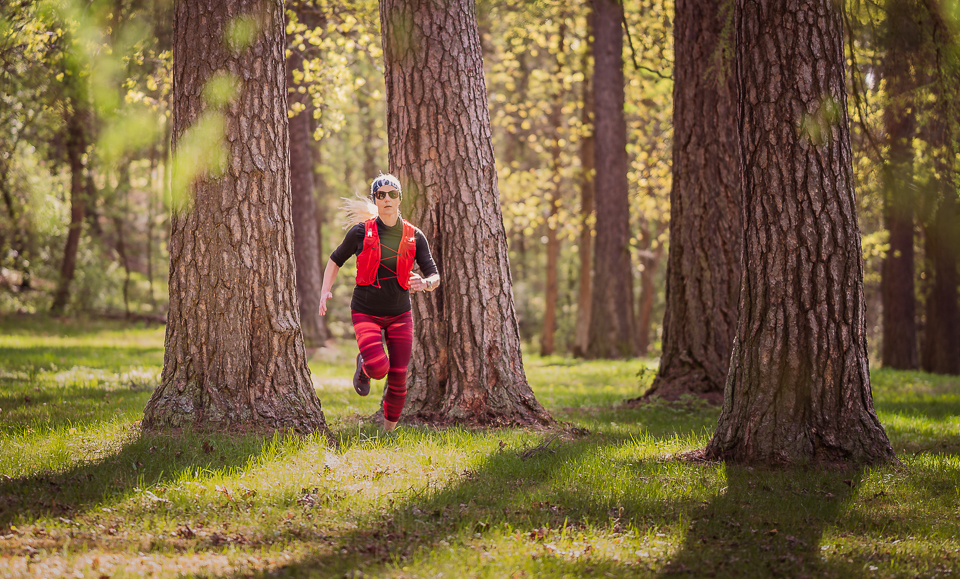
What else should you bear in mind when trail running?
As with any sport, you can do it your own way. On short runs, you don't necessarily need to carry anything on your back. Still, it's important to stay hydrated while you run, even if you don't feel thirsty.
Hydration packs and running vests come in plenty of models and sizes. Vest-style packs sit close to your back and work well on shorter runs. On longer runs, you may need a hydration pack with room for a bladder plus a space blanket, a waterproof shell, a map, an energy bar, fire-lighting kit and whatever else you feel you need. In the Alps and similar mountain areas, you might also want trekking poles – many packs and vests have a pole holder on the back.
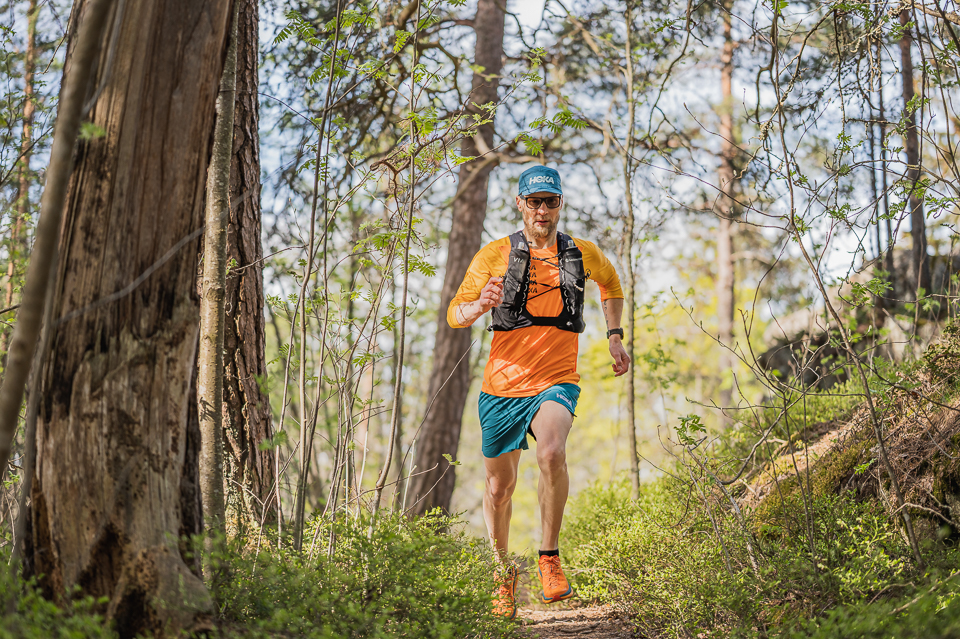
You're always welcome in our stores and online shop, where you'll find a wide selection of trail running shoes and gear for every kind of terrain.
Read more:
Trail running is a great way to get to know your local woods