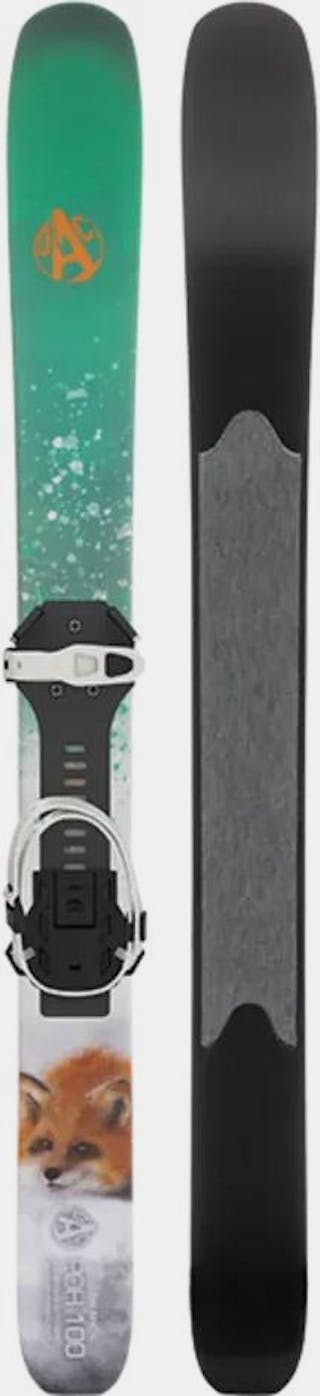
OAC Skinbased Skis — Buying Guide
We've put together a guide to choosing OAC's popular skishoes. OAC's ski range is wide, and each model is built for a different kind of use. These tips will help you pick the right skishoes for you.
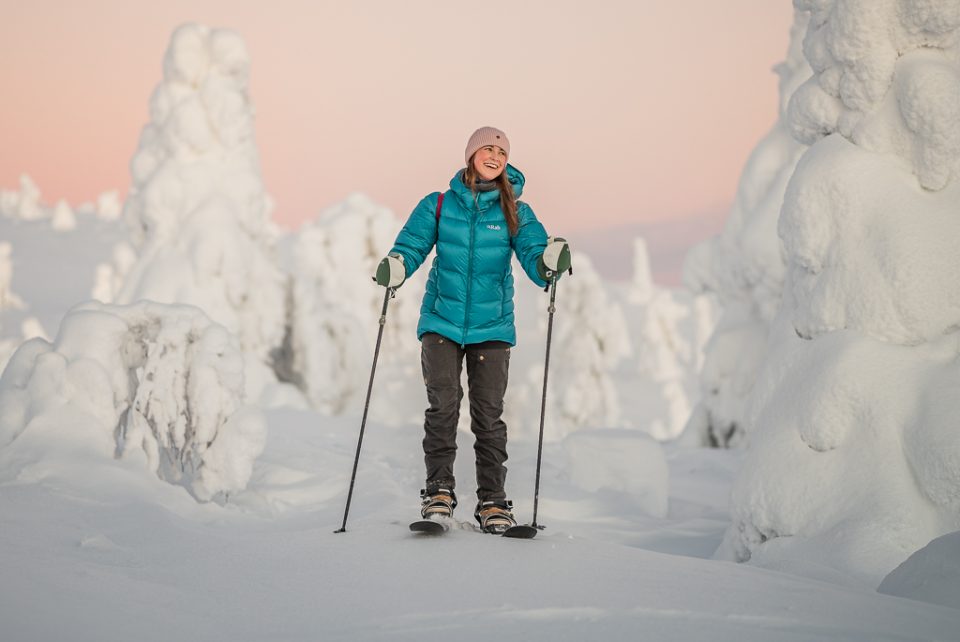
OAC's range now includes six models, split into two main groups: XCD skis and skishoes. XCD stands for Cross Country Downhill, a mix of off-trail skiing in deep snow and downhill skiing.
OAC skishoe models
- KAR 149 – a popular, versatile model for skiing in deep, untracked snow.
- WAP 129 – a shorter, nimble model for trails and woodland.
- POH 100 – a model for children and younger skiers.
- XCD BC 160 – a versatile, longer ski for deep snow and the fells.
- XCD GT 160 – a touring-style model.
- XCD GT 137 – a smaller touring model for younger skiers.
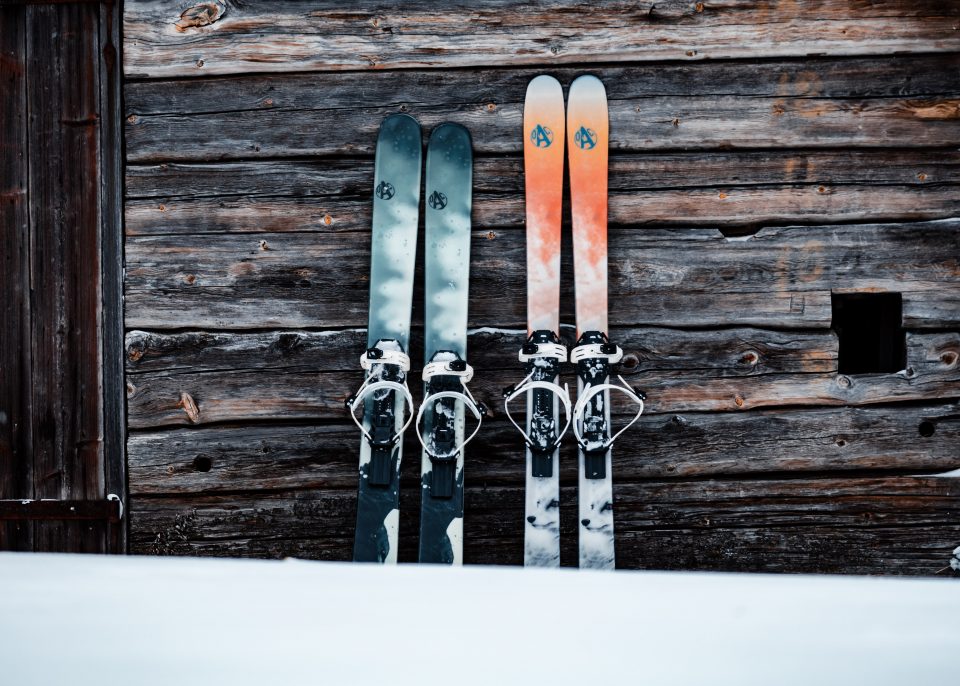
Photo: Jooel Hilden
"Skishoe" is the nickname for short, wide skis. The shortest of them sit somewhere between a snowshoe and a ski.
XCD skis
XCD skis work best for downhill runs on fells and open hills. On the hard-packed snow of a groomed piste, the edges can't bite properly, so skiing there isn't sensible. You need a decent layer of natural snow underfoot.
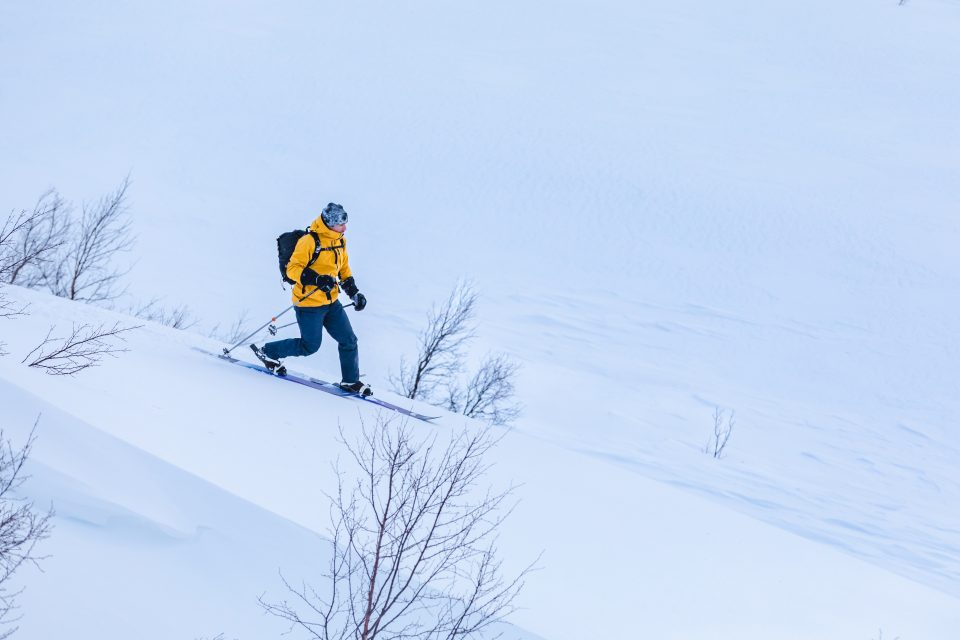
Photo: Rami Valonen
OAC's new XCD skis come in three models:
The model number is the length of the ski in centimetres. All models have climbing skins on the base to give you grip on the uphill sections.
BC stands for Back Country, meaning the ski is designed for backcountry terrain with no prepared tracks. GT stands for Grand Touring: you ski up a fell, for example, and then ski back down.
The XCD BC 160 is designed as a versatile ski that handles both deep-snow touring and downhill runs. It's ideal for larger XCD skiers carrying heavy loads.
The XCD GT 160 is more of a touring ski than a deep-snow ski. It works for downhill runs, on icy snow and on flatter terrain where the snow is firmer.
The XCD GT 137 is designed for young skiers and performs like the XCD GT 160. Recommended for ages ten and up.
Skishoes
Skishoes work best in deep, untracked snow. Snowmobile tracks and unprepared trail bases are fine too, as long as the snow isn't too hard. Despite the name, these are proper skis – you can even take them on a multi-day ski tour.
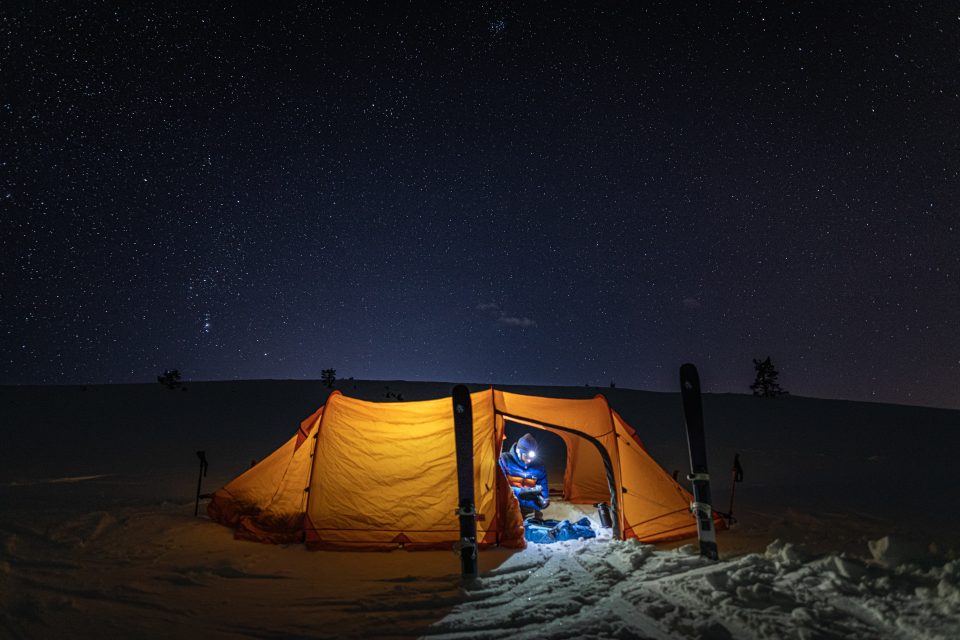
Photo: Rami Valonen
OAC skishoes also come in three models:
The model number is the length of the ski in centimetres.
All of these skis have integrated climbing skins on the base for grip on the climbs, which is why they're also known as skin skis. A heavier skier gets more grip from the skin, but also sinks deeper into the snow than a lighter one.
They may be called skishoes, but they behave like skis and are at their best in deep snow. "Deep-snow skis" would honestly be a fitting name.
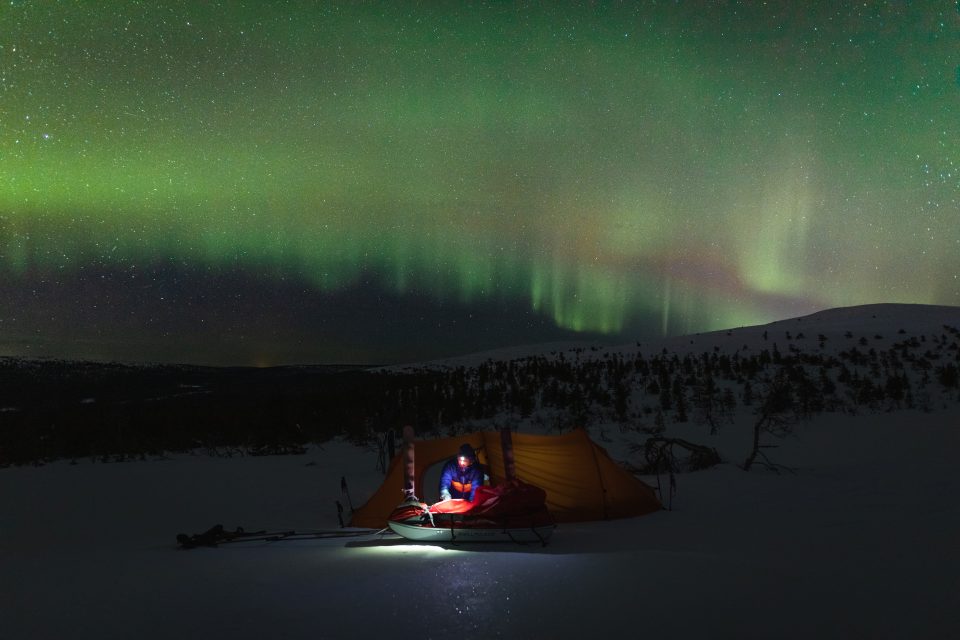
Photo: Rami Valonen
For the 2022 season, OAC's most popular model, the KAR 147, grew two centimetres to become the KAR 149. The sidecut changed from 125/110/122 mm to 131/110/122 mm, adding 6 mm of width at the tip. The tip construction changed too: there's more rocker, so the tip rises higher, and there's a new ABS reinforcement along its sides. The KAR 149 is best suited to skiing in deep, untracked snow. It has steel edges, but because the ski is so wide, they won't bite into hard snow the way the GT models do.
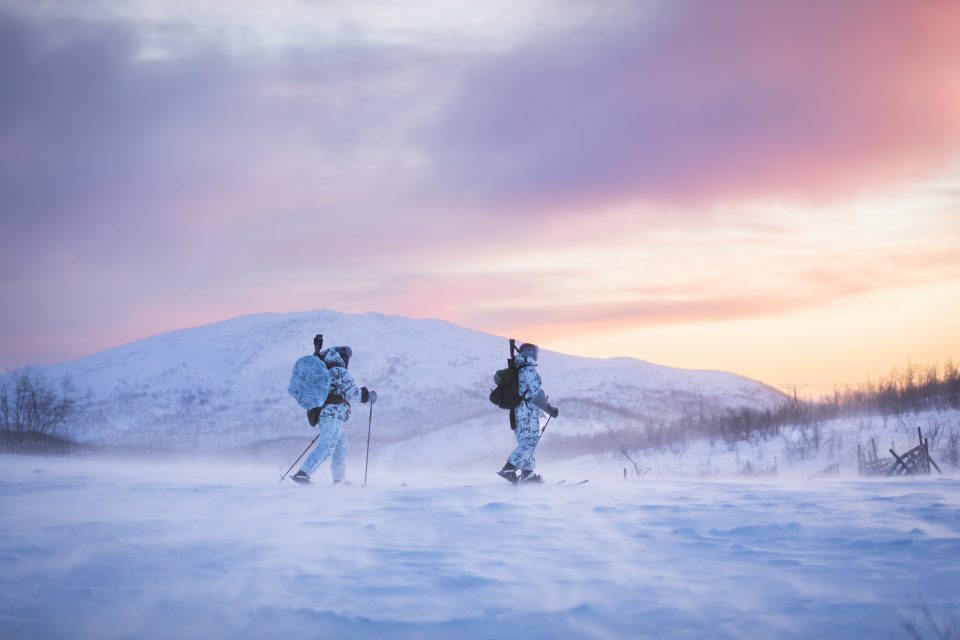
Photo: Rami Valonen
The WAP 129 has received the same updates as the KAR 147. At 129 cm, it's more of a cross between a ski and a snowshoe, and it doesn't glide as well as its big brother. The shorter length does make it nimble, though, when you're not in a hurry. The edges are composite, so they're not as sharp – or as risky for pets – as steel edges.
This ski suits people who move slowly through the terrain and want extra agility, such as hunters.
The POH 100 is a junior ski with a binding that fits smaller footwear. The edges are made of safer composite material. It's a good fit for adventurers aged 5–10.
Versatile skishoes
When there's a bit too much snow to get around on foot, skis are the natural choice. You can ski properly or shuffle along slowly in a style similar to snowshoeing. Either way, a ski uses less energy: you don't have to lift your foot as you would with a snowshoe – it simply glides forward.
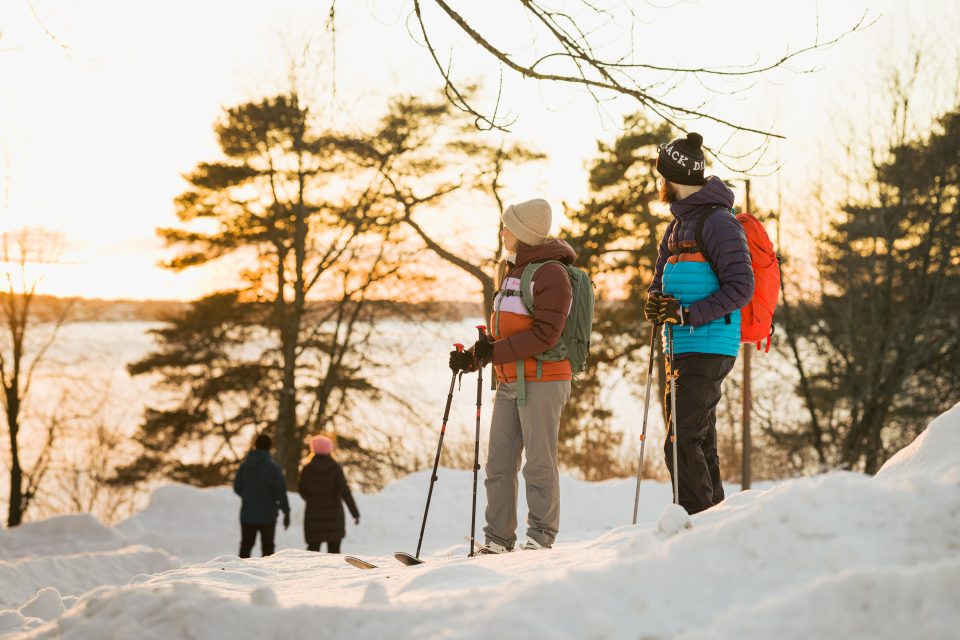
Photo: Pasi Tiitola
The short length of a skishoe makes it agile in awkward terrain. You can weave between trees and climb over ditches and small obstacles. It even works in more urban settings, as long as there's enough snow.
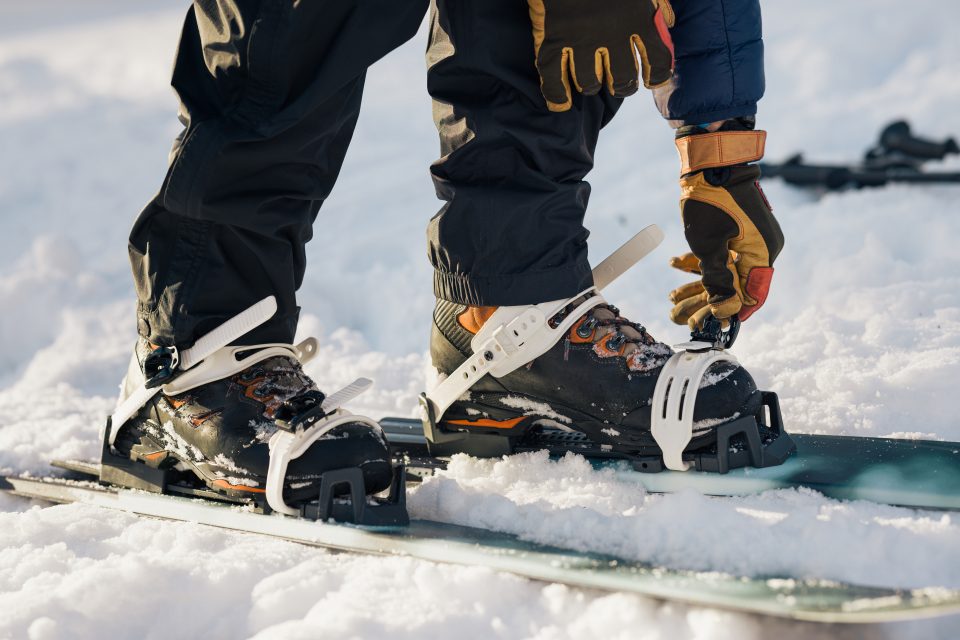
Photo: Pasi Tiitola
The handiest feature of OAC skishoes is the EA binding, which takes your regular footwear, so there's no need to buy separate ski boots. That saves you a fair bit of money on pricey BC boots, and it saves weight too, since you don't have to carry a separate pair of camp shoes on your trips.
Skishoes work well as an all-round ski for a range of activities. You'll also need poles – for backcountry skiing, pole length is usually 0.85 × the skier's height. In deep snow, the pole sinks differently depending on conditions, so the exact length matters less. A telescopic pole lets you adjust the length easily on the go, though it does add one more part that can break. Make sure your poles have proper powder baskets.
If you'd like to try OAC skishoes first, you can now find them at our rental service.
Have fun out in the deep snow – from all of us at Scandinavian Outdoor!