Mosquito and Insect Protection — Use These Tips to Keep Mosquitoes and Ticks at Bay!
In Finland, mosquito season usually kicks off just after Midsummer and lasts about a month. In Lapland, this period is known as räkkä. Many people picture the whole of Lapland in summer as a nightmarish mosquito kingdom that isn't worth visiting at all.
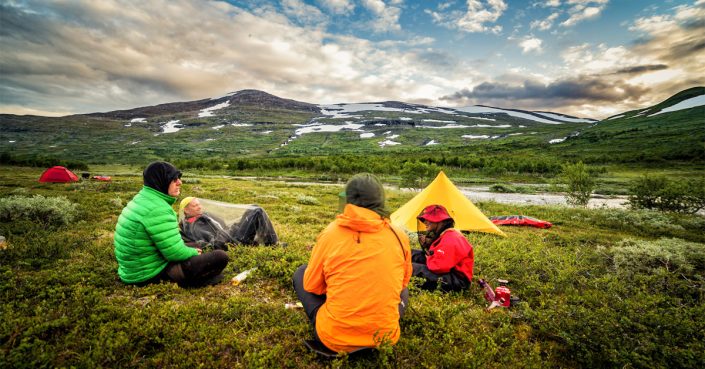
People react to mosquito bites very differently. Most of us react most strongly in early summer, and tolerance builds as the season goes on and the body's immune response adapts. Some hikers deliberately let themselves get bitten a fair bit early in the summer to build up resistance. That's an extreme approach, though, and not one everyone can face.
So we've put together some practical tips for hiking in summer, mosquitoes and all. We'll cover how to keep mosquitoes at bay on multi-day hikes and day trips. We've also gathered all our insect protection products in one place here.
In everyday Finnish, mosquitoes go by several names, such as sääsket or itikat. Strictly speaking, sääsket (Nematocera) is a suborder of true flies (Diptera) that includes the mosquito family, among others. To avoid confusion, we'll simply stick to "mosquito" in this article.
Choose your routes and campsites wisely
At its worst, räkkä season can feel like an exhausting war against mosquitoes, but that doesn't mean the whole of Lapland is off limits. Just as further south, mosquitoes in Lapland are very localised.
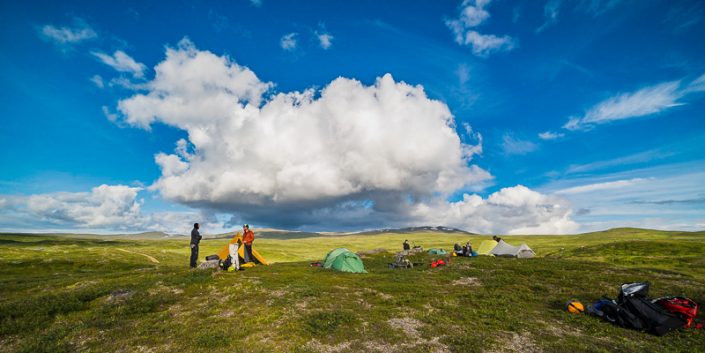
Finland has more than 40 mosquito species, and almost all of them lay their eggs in standing water. Forest mosquitoes travel no more than about two kilometres from where they hatched and live for around two months. So it pays to avoid damp, scrubby ground.
Mosquitoes don't like wind either, so sticking to open terrain makes sense. Out on the islands, on open lakes and on the fell tops there's usually a decent breeze, which is where you'll find the best spots to camp and walk. Even in Lapland there are places with practically no mosquitoes at all.
When you're camping on a hike, you also need water, so choosing a pitch sometimes means compromising between being close enough to water and staying sheltered from mosquitoes. A collapsible water container helps here: it packs down small and weighs little, but still lets you carry plenty of water back to camp, even over a longer distance.
In tick areas, steer clear of the longest grass. Tick bites can transmit Lyme disease or tick-borne encephalitis (TBE). There's a vaccine against TBE, which is worth considering if you spend a lot of time in high-risk areas.
Cover up
Your first line of defence is clothing that covers you. A long-sleeved top, protective trousers, socks, shoes and a hat all stop mosquitoes from biting.
Craghoppers Nosilife
Craghoppers offers Nosilife fabrics treated with insect repellent. It was the world's first brand to offer permanent insect protection built into its fabrics. The Nosilife treatment sits inside the fibres and doesn't wash out. The protection lasts for the lifetime of the garment, is non-irritating and has been shown to reduce insect bites and stings by around 90%. It works against most biting and stinging insects.
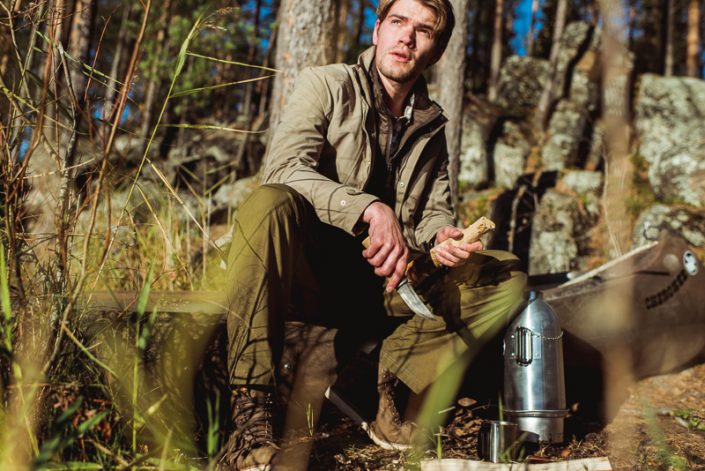
Insects may land on the fabric, but they leave as soon as they touch it. The active ingredient is synthetic permethrin.
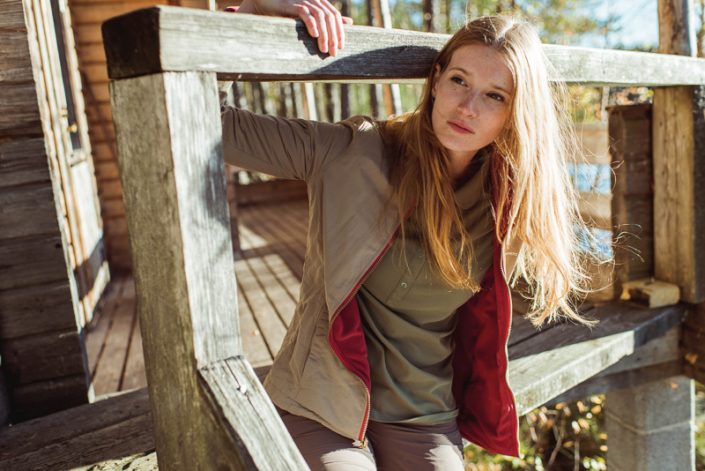
Craghoppers has a detailed plan for meeting specific environmental targets, including cutting water use, managing waste and chemicals, using sustainable and recyclable packaging, and using Bluesign materials wherever possible. Products returned under warranty are either recycled as parts or repaired and donated to disabled children in the UK.
Our range also includes the Jack Wolfskin Lakeside collection, which offers protection against mosquitoes. The idea behind Lakeside clothing is a fabric that mosquitoes simply can't bite through.
Use mosquito nets
You've probably tried to sleep with a mosquito whining in your ear, or lost your patience with insects buzzing around your face. Mosquito nets deal with both problems well, and you can get them for your shelter as well as for personal protection.
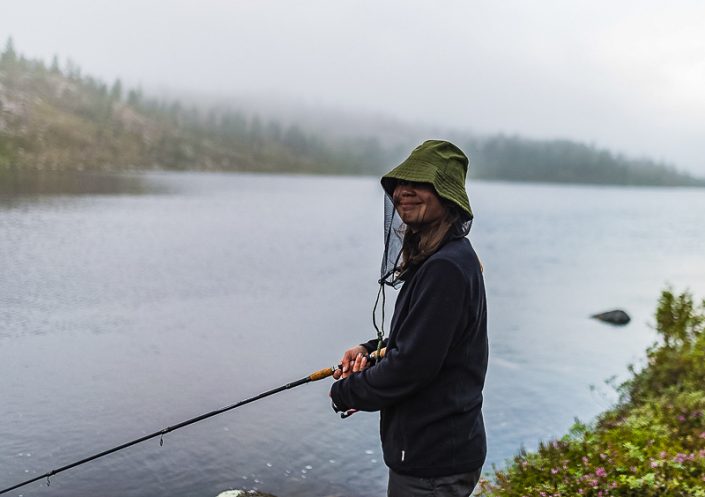
A mosquito head net is an effective way to protect your face and neck. It works best combined with a wide-brimmed hat, which keeps the mesh well clear of your skin so mosquitoes can't reach you through it.
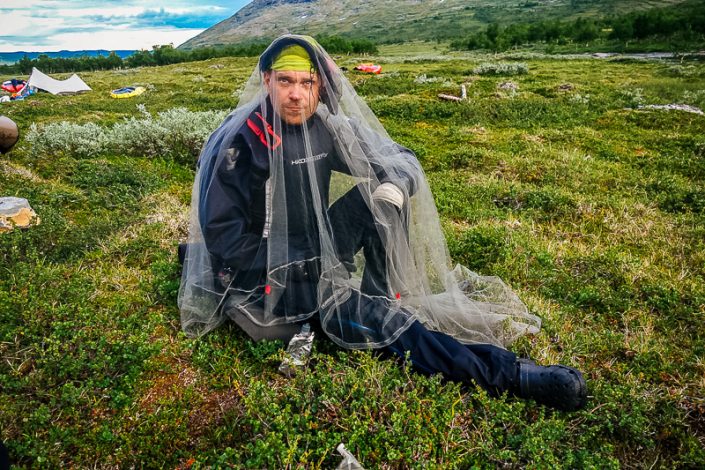
You can also use a larger mosquito net to protect your whole body. Hammocks can be fitted with a bug net, most tents have mesh inner doors, and hanging mosquito nets are handy when you're resting or sleeping out with no risk of rain.
Repellent for exposed skin
If clothing and nets can't cover everything, you can apply mosquito repellent to your skin. Repellent doesn't give lasting protection – it usually works for a few hours. Sweat, wind and getting wet all reduce its effectiveness.
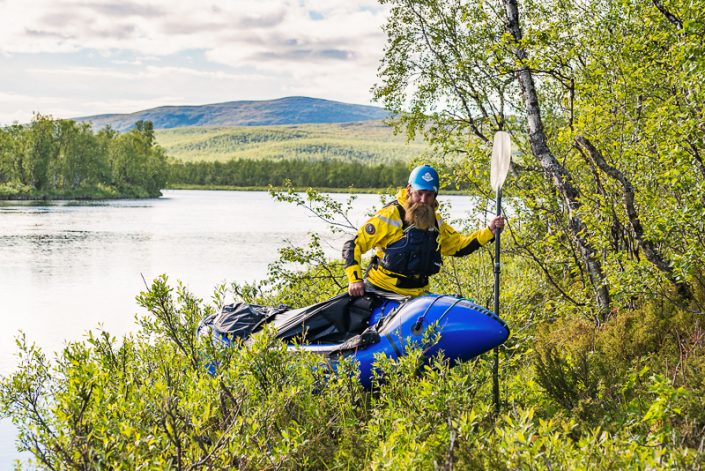
When paddling, for example, your hands and face are often left exposed. A mosquito spray is a good option here.
The most common active ingredient in repellents today is ethylhexanediol, N,N-diethyl-m-toluamide, better known as DEET. Repellents typically contain around 30% active ingredient, plus other substances that dilute the solution (usually alcohol), help it spread over the skin, control how quickly it evaporates and absorbs, add scent and affect how the repellent feels on your skin. DEET has been studied for a long time, and clinical trials have found it isn't a sensitiser, but always check the usage guidelines on the product label.
CARE PLUS
Our range includes Care Plus insect repellents. These DEET-based repellents come in three sizes.
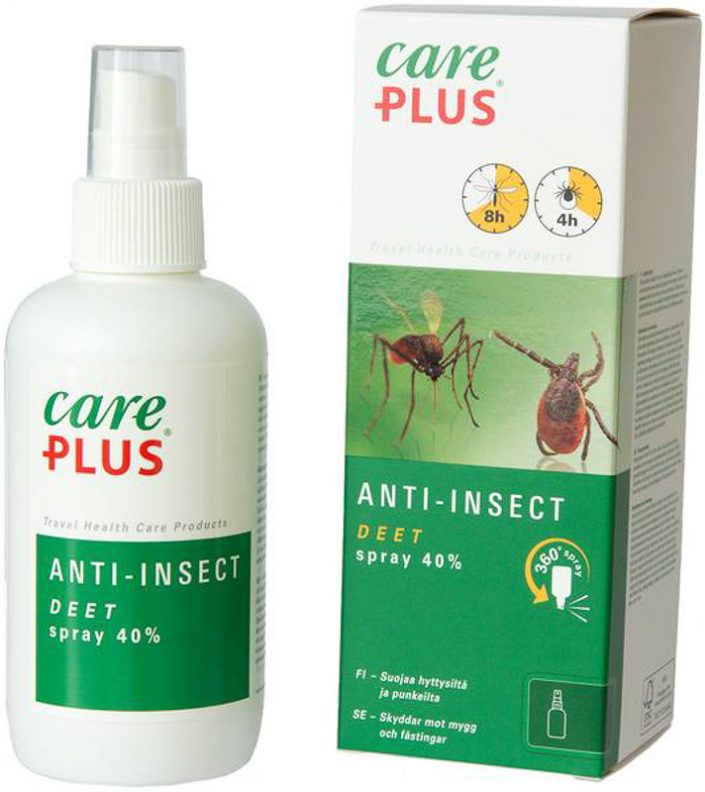
Care Plus DEET Spray Anti-Insect is available in 60, 100 and 200 ml bottles. It contains around 40% DEET and 60% ethanol, and protects against mosquitoes for about 8 hours and ticks for about 4 hours. Apply no more than once every 24 hours. Not for use on children under 13.
Mosquitoes don't like smoke
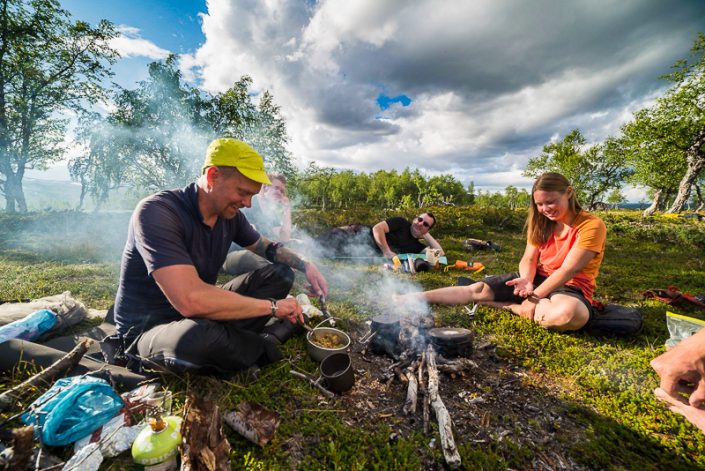
People have used smoke to drive mosquitoes away since ancient times. A campfire or wood-burning stove works well as a natural repellent. Bear in mind, though, that a very smoky fire usually means the wood isn't burning cleanly – which isn't great for the climate.
When the bites drive you mad
If the mosquitoes have already had their fill and the itching is becoming unbearable, you can ease the irritation with something as simple as a quick dip in cold water. Try not to scratch, even when it feels impossible.
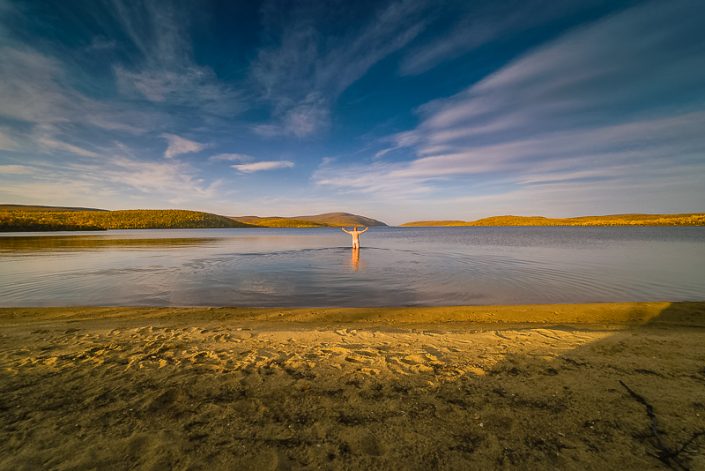
Cold water only helps for a while, though. If your symptoms are really bad, ask a pharmacist for advice. Many over-the-counter antihistamines also help with mosquito bites, and there are anti-itch creams too.
We hope these tips help on your upcoming trips and hikes. Mosquitoes are an important part of nature, and we can't do without them. There's no reason to skip a trip to Lapland because of them – it's better to learn to share the outdoors with them.
We've gathered all our insect protection products in one campaign.
Visit our stores or our online shop to find the right mosquito protection for you.