How insulation works outdoors – and how it keeps you warm
You hear plenty of myths about staying warm in a sleeping bag. The cold seeps up from the ground, there's a cold draught from the bothy window, and so on. But what's actually happening, and what really makes you feel cold?
10 tips for staying warm at night
- Eat and drink well before bed
- Don't go to bed cold
- If needed, do a few exercises to warm up before you turn in
- Make sure your sleeping mat is insulated enough
- If your sleeping bag isn't warm enough, put on extra layers
- Change into dry clothes and socks
- Make sure heat doesn't escape through the opening (a good draught collar helps)
- Wear a beanie if you need to
- A down jacket or down skirt works as extra insulation
- Put a hot-water bottle in your sleeping bag
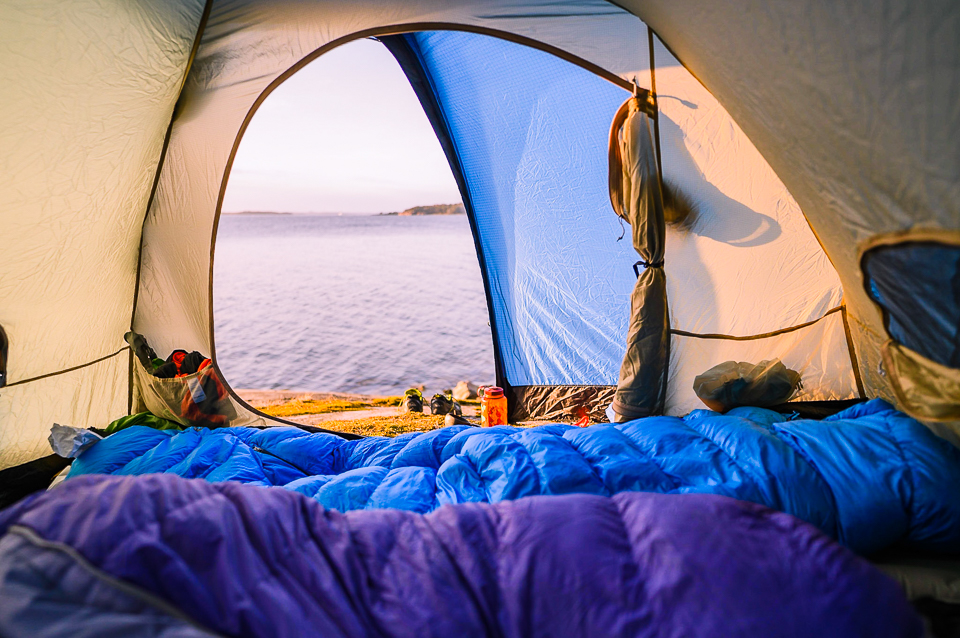
First of all, in everyday speech we talk about cold, but in physical terms it's all about heat energy and how it moves. Heat always moves from a higher temperature to a lower one. It can transfer in three ways: radiation, conduction and convection.
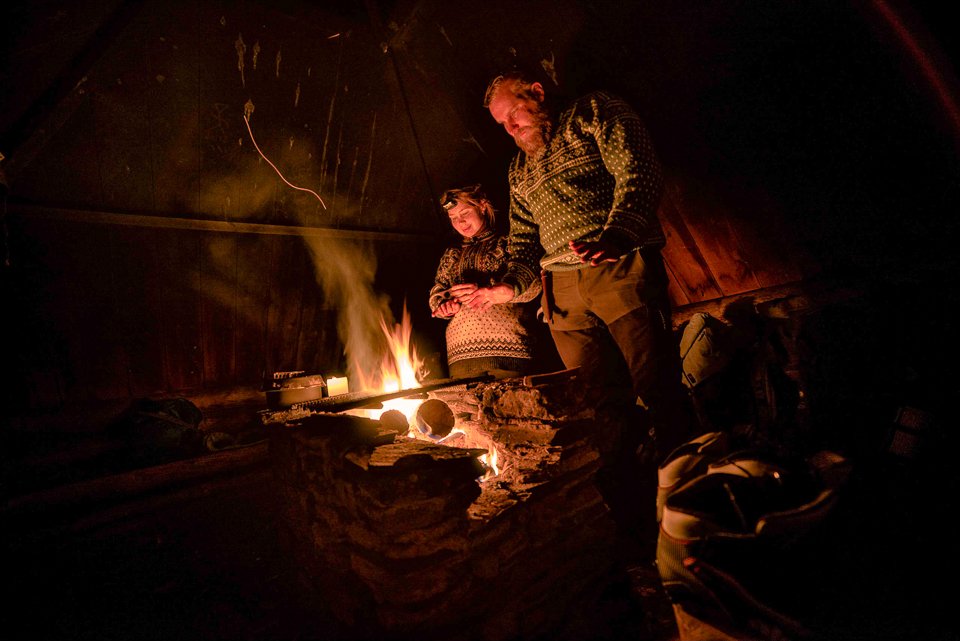
Radiation is easy to understand: heat radiates from the sun or a campfire, for example. You feel it as a pleasant warmth when you sit by the fire or stand in spring sunshine on the snow. Staring into a campfire, you'll also notice that the heat only comes from the direction of the fire, while your back stays cold.
Heat conduction happens within materials. Frozen ground, for example, is cold – lie down on it and heat is conducted from your body into the ground. It can feel as if the cold is seeping into you, when in fact heat is leaving your body.
With convection, temperature differences cause warm air to rise and create lift. That's why it can sometimes be warmer on a hilltop than in the valley below. The same thing happens when you open the door of a heated tent or bothy: warm air flows out and you feel a draught.
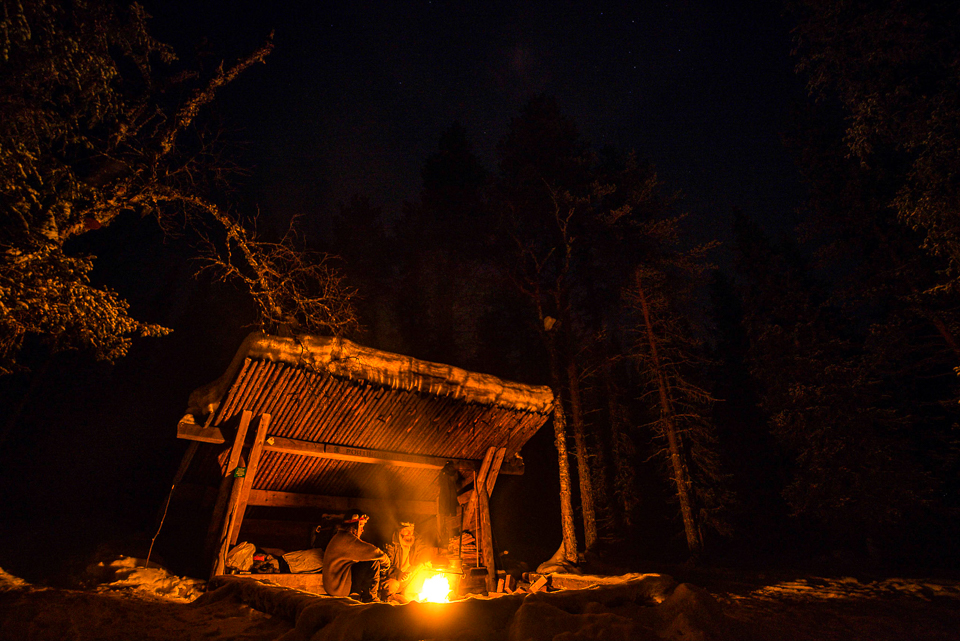
Insulation slows down heat transfer. Outdoors, heat comes from sources such as the sun, a campfire, a camping stove and your own body. Your insulation is your clothing, accessories and sleeping bag. A tent offers very little insulation in practice, but it does give you shelter from the wind, which helps to limit convection in particular.
To stay warm at night on a trip, you need to understand these factors. A sleeping bag acts as insulation between cold and warm air. Your body gives off heat, which warms the air inside the bag, and a well-insulated bag stops too much of that heat escaping. The colder it is outside, the more insulation you need.
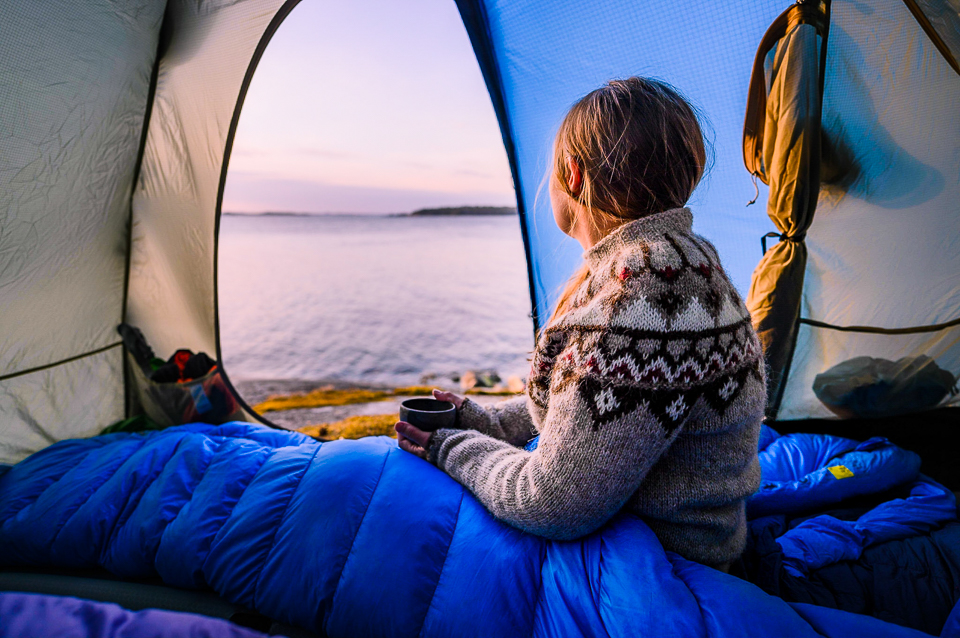
When you get into your sleeping bag, your body has to warm up everything inside the insulation. If you're wearing cold clothes, you'll have to warm those up too. You can speed things up by putting a hot-water bottle in your sleeping bag before bed. It warms the air inside the bag and the inner surfaces of the bag itself. The less air there is inside the bag, the faster it warms up.
Sleeping bags and clothing insulate thanks to their lofty fill. But your body weight compresses the insulation underneath you and squeezes the air out, so the bag doesn't keep you very warm from below. That's why a well-insulated sleeping mat is so important. If your sleeping bag isn't warm enough, you can always put on extra layers. But if your mat doesn't insulate enough, there's not much you can do about it once you're out there.
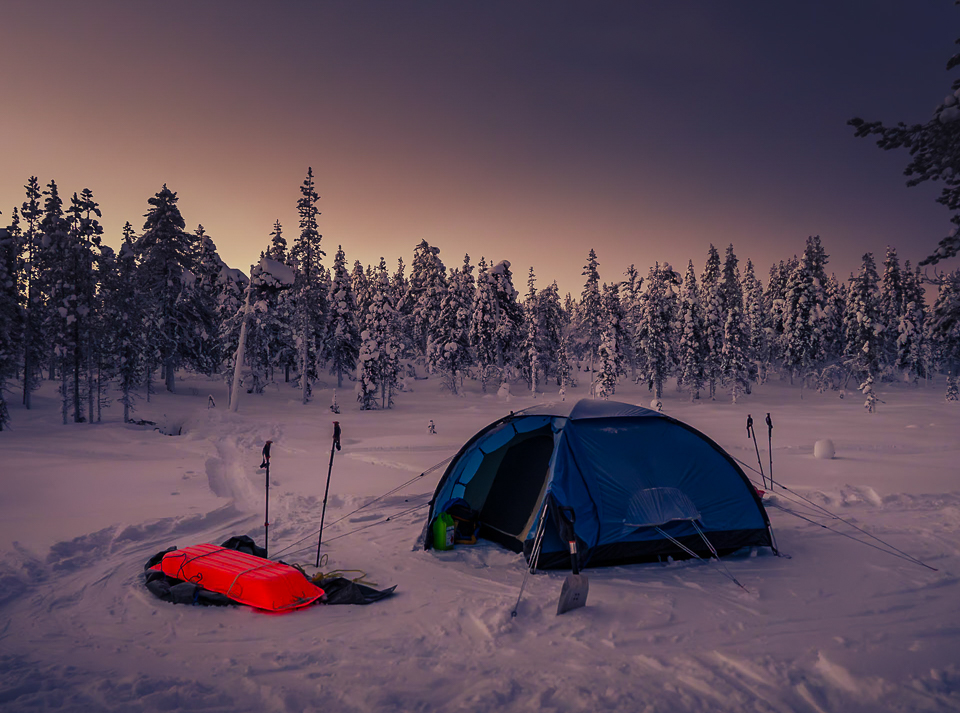
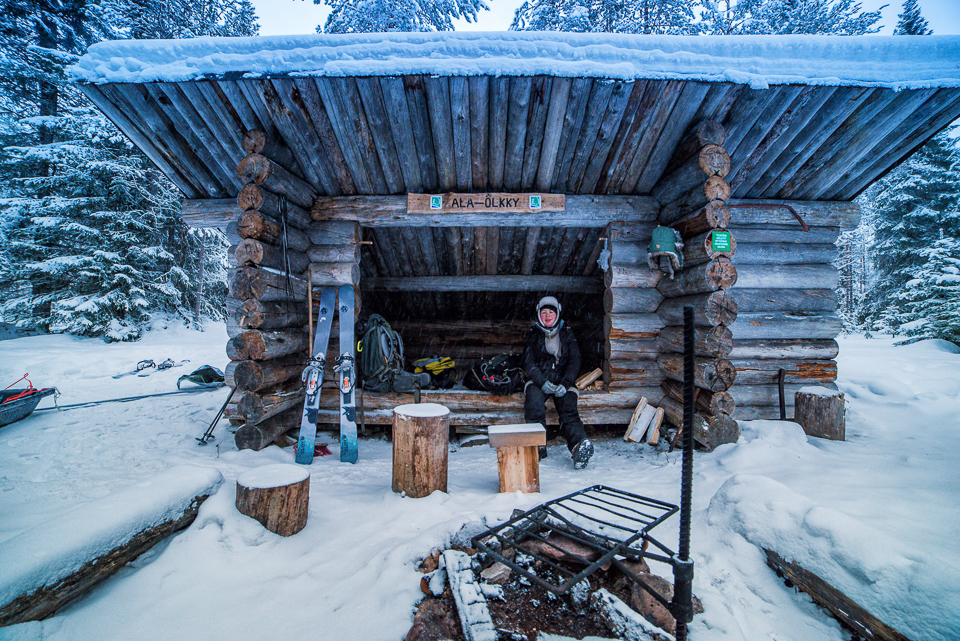
Fluffy snow is a good insulator. When you stamp out a tent pitch on deep snow in winter, you leave a thick layer of snow between you and the cold ground, so your mat doesn't need to work as hard. Sleeping in an open lean-to shelter on a freezing winter night is a different story: the ground is cold and the open front gives you no protection from the wind.
You'll sometimes hear that sleeping naked in your sleeping bag is the best way to stay warm. That's partly true, and it works on the same principle as a mitten. In a mitten, your fingers sit against each other with nothing in between, so heat is conducted from one finger to the next. The same thing happens to a small degree when you sleep: wherever skin touches skin, heat is conducted from one area to another. But it's nowhere near as effective as properly insulating clothing, which stops heat leaving your skin in the first place. Try it next time you're in your bag – see how hard it is to get much skin touching, and how hard it is to keep, say, your legs pressed together while trying to drift off.
The easiest way to stay warm is to add insulation. If you have lofty, well-insulating dry clothes with you, put them on rather than sleeping naked.
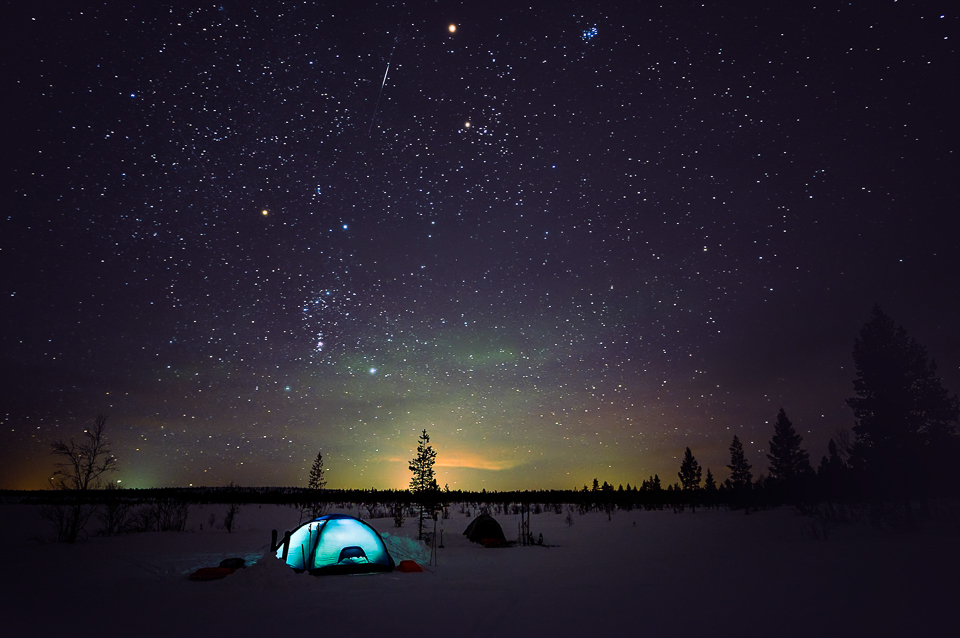
Your body needs energy to produce heat, and that energy comes from what you eat and drink. So eat and drink well, and you'll stay warmer while you sleep.
Read more about choosing sleeping bags and mats here.
You'll find all our sleeping bags here.
You'll find all our sleeping mats here.