First night out camping: what went wrong?
Do you still remember your first night outdoors, or are you still at the dreaming stage? In this post, we've gathered the most common slip-ups and the lessons they've taught us.
Most people feel pretty nervous before their first night out. Will I actually get any sleep? Is this really for me? Usually it goes fine, and camping turns into a favourite pastime. But things don't always go to plan. If they don't, don't let it put you off. Learn from it instead.
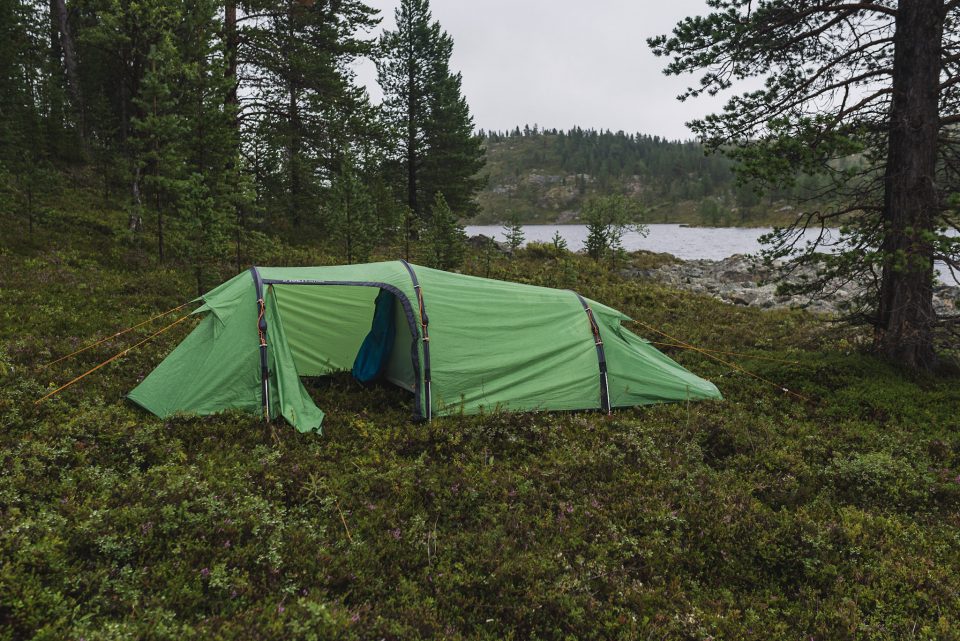
A sleeping bag or mat that isn't up to the job
When you're just starting out, the challenge is buying all the new kit at once. The upfront cost is high, and you end up making compromises on price.
You may already own a sleeping bag that has given you plenty of warm nights in a holiday cottage. Then you sleep outside with it, the temperature drops and the damp creeps in overnight, and suddenly you're cold.
Or your sleeping mat turns out not to insulate well enough, and the cold comes up from the ground.
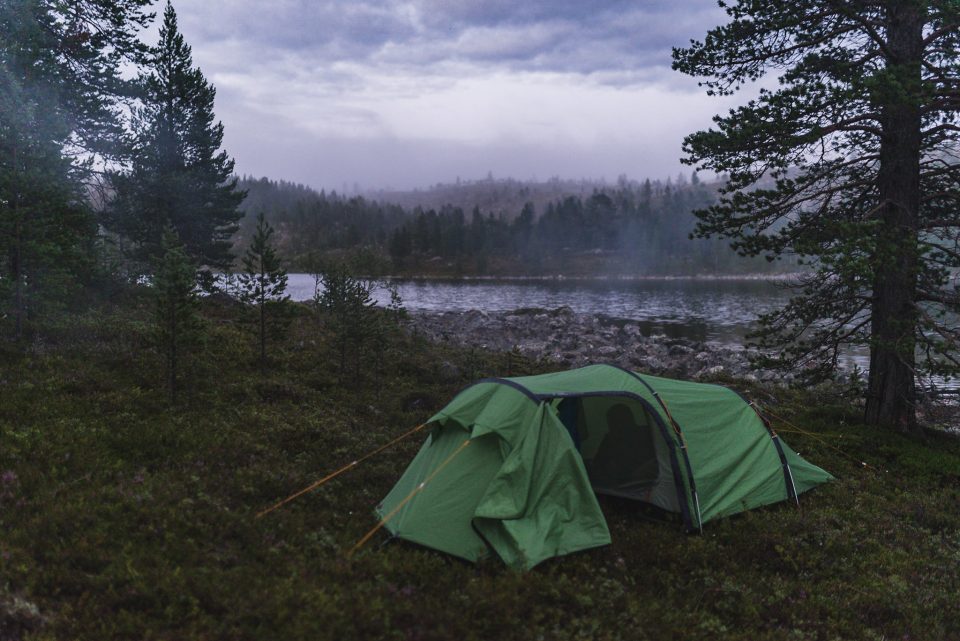
When you camp near water, a lot of moisture can rise after sunset, and the cold feels much worse than the temperature would suggest.
What did we learn? Put real thought into choosing your sleeping bag and mat. They're the two most important pieces of kit for a good night's sleep. Here you'll find tips on choosing a sleeping bag and mat.
If your sleeping bag is too cold, put on extra layers and take a hot water bottle into the bag with you. If your mat isn't warm enough, there's not much you can do about it. Clothes and sleeping bag insulation get crushed flat under your body weight and stop insulating properly.
Caught out by the cold on a trek
This is a bit like the previous one, but we often hear of people heading off on their first multi-day trek with brand-new kit, planning to spend their very first night outdoors there.
Then, out on the fells, they realise their kit isn't warm enough for the nights. That leaves two options: put up with cold nights or walk out.
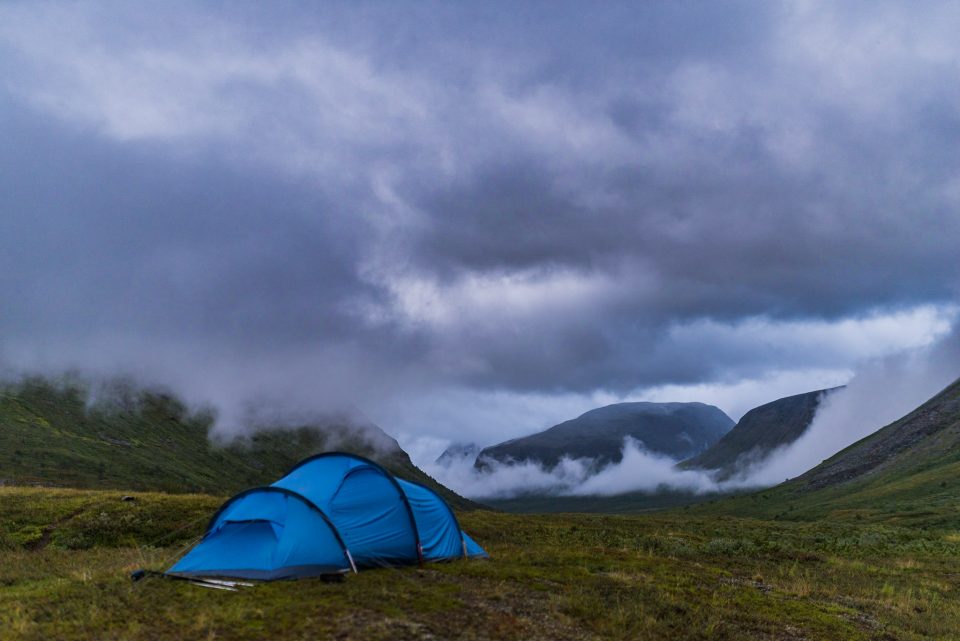
Test your sleeping bag and mat before setting off on a trek.
What did we learn? Don't take too big a leap. Test new kit at home or on short local trips first. Spending your first night out in the middle of the wilderness sounds romantic, but your back garden or somewhere close to the car is the smarter choice, so you can call it a night if you need to.
We're all different, so the only way to know the limits of your sleep system is to test it. On a trek, pack for it being a lot colder than the forecast suggests.
Kit that's too heavy
Preparing for cold nights is sensible, but there's a limit. A winter sleeping bag is very warm, but lugging one around in summer is hard work, and you lose a lot of comfort, even though the idea was the opposite.
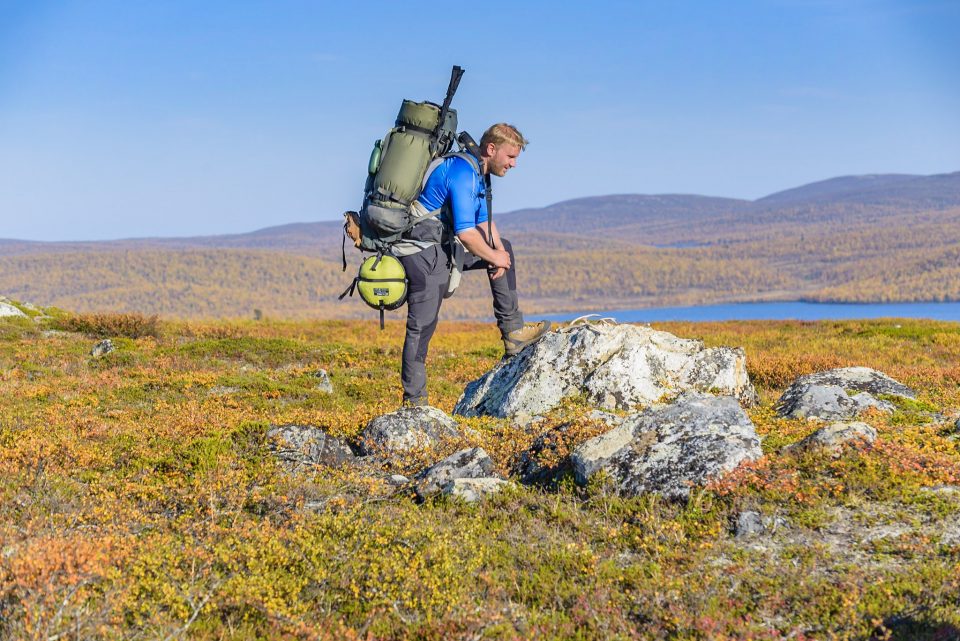
An overloaded pack limits how far you can comfortably walk.
A really warm three-season synthetic bag can easily weigh close to two kilos, while a good down bag with a comfort rating of 0°C might weigh just over half a kilo. Add all your other overweight kit, and your rucksack gets so heavy that every stretch of the walk is a slog.
What did we learn? As we said, starting out involves plenty of compromises, and it's not always straightforward. If you're not sure where your money is best spent, ask for advice in hiking groups on Facebook or come and chat to the outdoor experts in our store.
Kept awake by other people's noise
In national parks and on waymarked trails, you're likely to share the area with other walkers. Even if there are shelters and huts along the route, always carry your own shelter. It matters for safety, and it also means you can still get a comfortable night when the shelter or hut is packed.
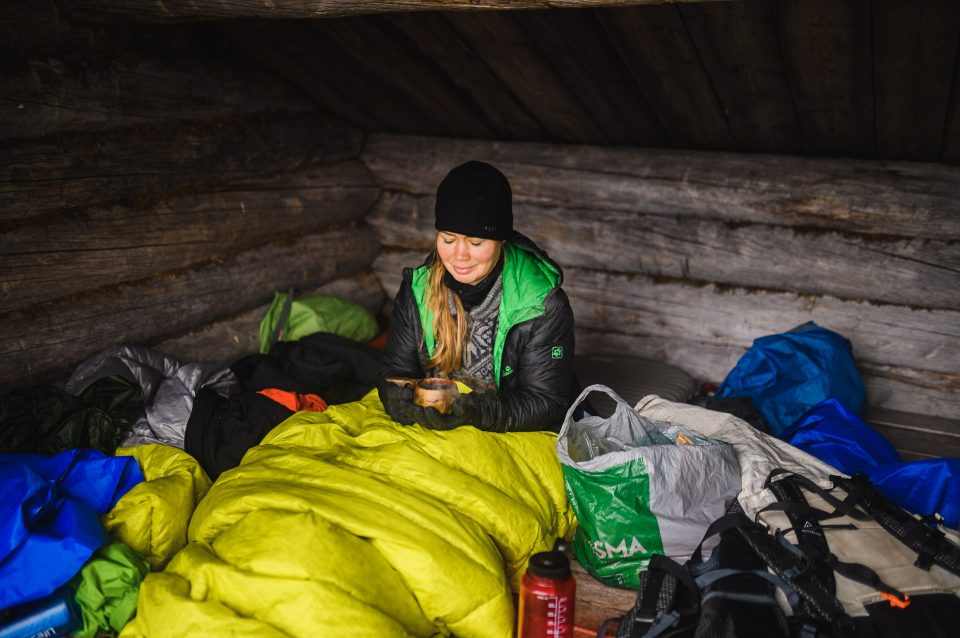
Sleeping in a lean-to shelter is great because you don't have to pitch anything, but be ready to share it.
What did we learn? A quiet shelter makes for a lovely night, but there are usually other people there too. That's when it's handy to pitch your own shelter a little further away. Some people stay up late, and others get up very early.
Sleeping bags often have a small pocket, which is the perfect place to keep a pair of earplugs so they're always with you. Earplugs vary a lot, so buy ones that fit your ears properly and block sound effectively.
A badly chosen pitch
Where you pitch your tent affects how well you sleep. A spot surrounded by scrub can be full of midges and mosquitoes, an exposed spot can leave your tent flapping noisily in the wind, and a dip in the ground can turn into a big puddle when it rains.
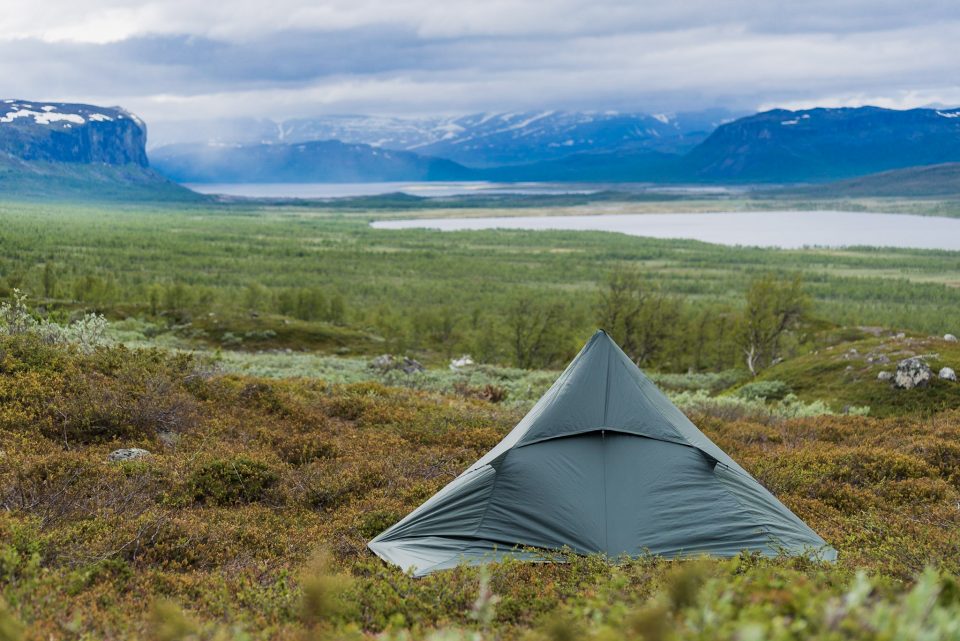
In a windy spot, many tents get noisy and your sleep is broken.
What did we learn? Take a bit of time and care when choosing your pitch. Experience usually helps, and after one bad choice you'll understand the limits of your own shelter.
Too scared to sleep
Almost everyone has felt fear creep in at night at some point, especially when camping alone. It's often worse close to houses and roads, and eases off the further you get into the wild.
Being wary of the unfamiliar is perfectly normal. It's what has kept humans alive throughout history. In the dark, your imagination also runs wild, and every unknown sound seems threatening.
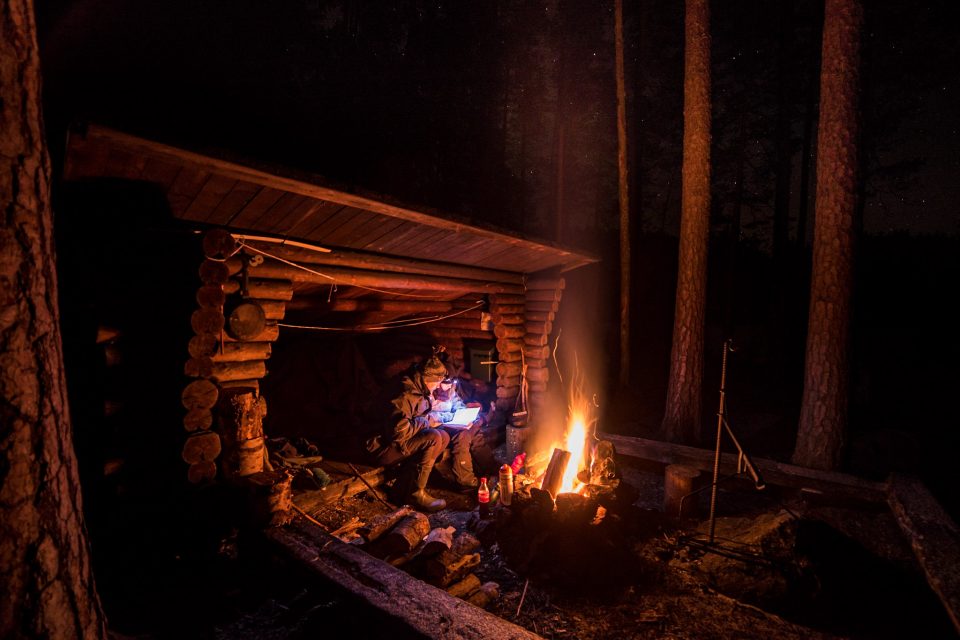
Darkness has an atmosphere all of its own, but it can also bring on fear.
What did we learn? If you're camping with others, talk about your fears together. Chances are they feel the same, and thinking it through together gives you some reassurance. It also helps to rationalise the fear: ask yourself what you're actually afraid of and how likely it really is. Walkers in Britain aren't attacked by wild predators, and axe murderers aren't exactly roaming the woods either.
Even if the fear doesn't disappear straight away, it eases with every night you spend out.
Caught out by the rain
Forecasts are often wrong. Even when there isn't a drop of rain in sight, a shower can still catch you out.
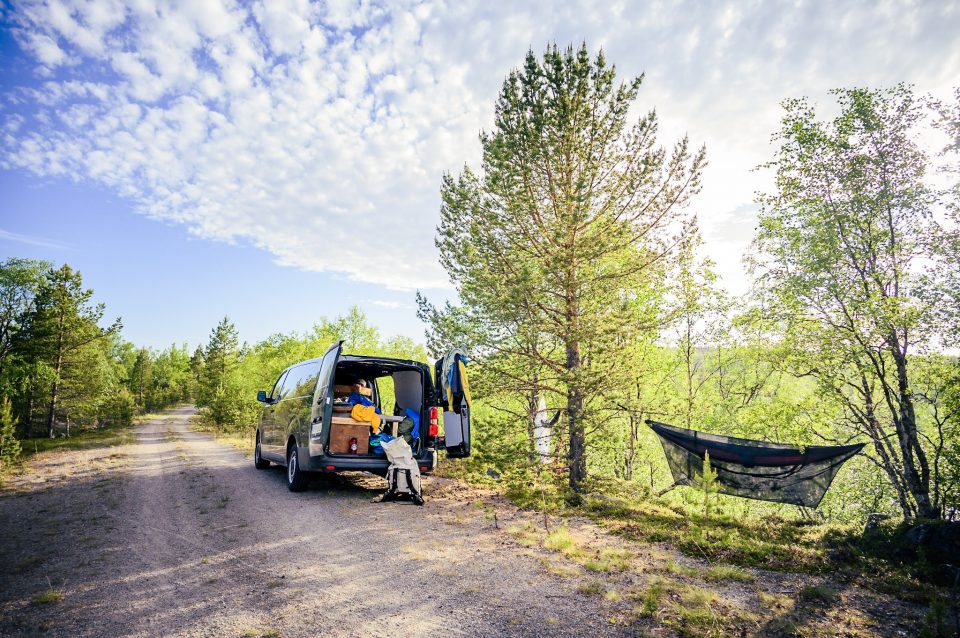
A night by the roadside took an unexpected turn when the rain caught these hammock campers off guard.
What did we learn? Always be ready for rain, even when it seems unlikely. Rig a tarp over your hammock, or at least set it up so you can pull it over quickly if needed. Always pitch your tent properly. Some freestanding tents let you pitch just the inner, but then you may end up scrambling to throw the waterproof flysheet over in the middle of the night if it starts to rain.
Even old hands slip up
Plenty of experience doesn't mean the mishaps stop.
Overconfidence can backfire too. Pack in a rush and you might find your sleeping bag or mat is still at home. Tent poles have been left behind, and water bottles have leaked inside rucksacks and soaked a poorly packed sleeping bag.
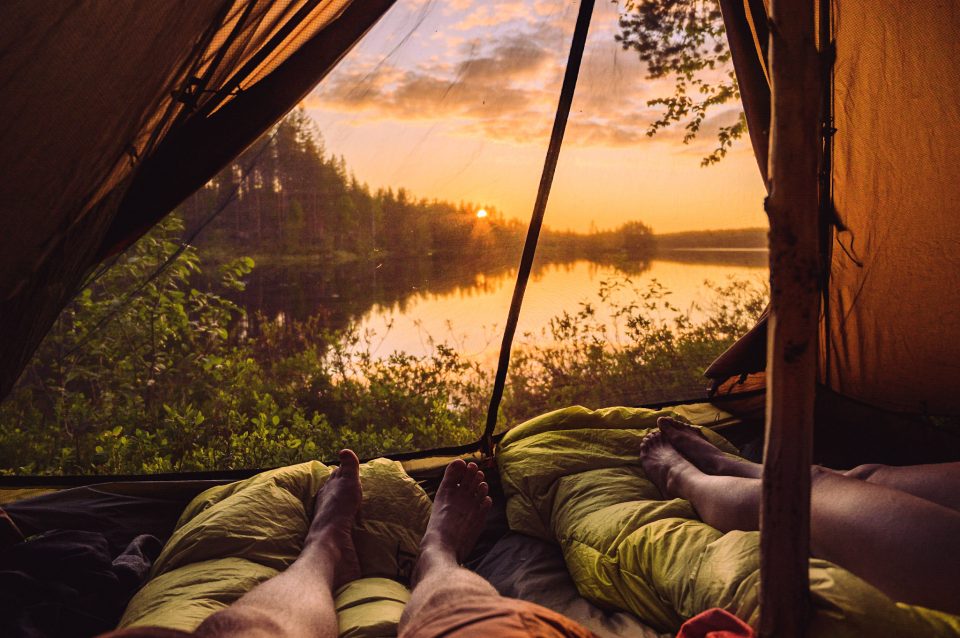
This is often how people picture camping. The reality is often quite different.
Expectations of camping can be a little too romantic. Outdoors, the weather is what it is, and there's nothing you can do about it. You'll still get those magic moments now and then, but anyone who camps year-round soon learns that the seasons can surprise you, and it doesn't always look like it does on Instagram.
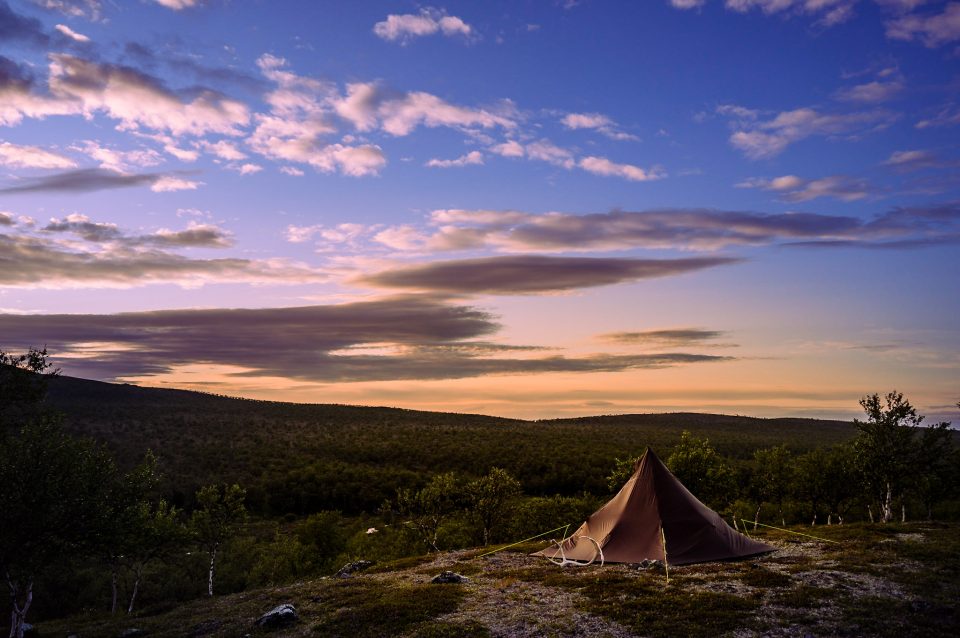
A stunning pitch in the Paistunturi Wilderness Area.
Once you get to know your shelter and its limits, you can start seeking out the best spots for it. Fell tops and hilltops offer some beautiful places to pitch, although sometimes it's wiser to stay lower down in shelter.
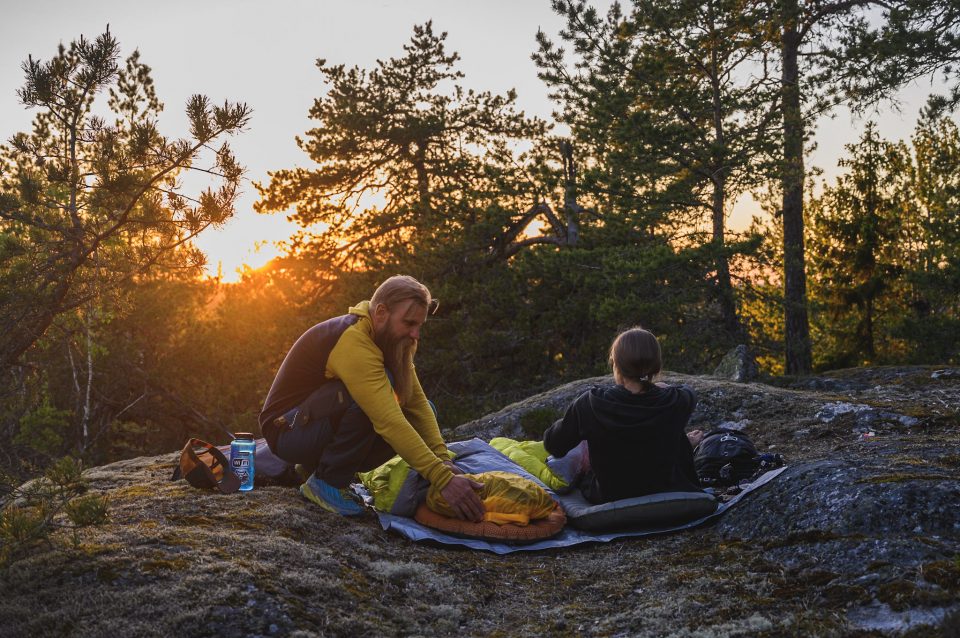
Sometimes it's worth taking the risk and sleeping under the open sky. It's an unforgettable experience.
12 tips for avoiding common mistakes on your first night out
- Choose a warm enough sleeping bag and mat
Kit that isn't up to the job leaves you cold at night. Invest in good insulation. - Test your kit before the real trip
Try out your sleeping bag and mat in the back garden or on a short local trip so you know how they perform. - Don't underestimate overnight frosts
It can be colder than forecast, so always pack with a margin to spare. - Keep your pack weight down
A heavy rucksack makes walking hard work and can spoil the trip. - Choose your pitch carefully
Exposed, boggy or midge-ridden spots ruin your sleep. Look for flat ground with some shelter. - Carry your own shelter, even if you plan to use a hut or lean-to
Noisy neighbours can keep you up. Your own tent or tarp gives you peace and quiet. - Pack earplugs
A small extra that can make a big difference to your sleep. - Prepare mentally for the dark
Unfamiliar sounds, darkness and surroundings can feel unsettling. It's easier to talk about it with your camping companions. - Be ready for rain and bad weather
Even with a good forecast, rain or wind can catch you out. Keep your kit and shelter well protected. - Practise pitching your tent beforehand
Learn to pitch your tent quickly and properly at home, so you're not fumbling around once you're out. - Don't make your first trip too ambitious
Stick to local spots or a pitch close to the car, so getting back is easy if you need to. - Keep your expectations realistic
Your first trip may not be perfect, but you'll learn from it, and next time will go better!
We hope these tips come in handy. Sleep well!