Choosing and pitching a tarp
A tarp is a sheet of “tent fabric”, a bit like a tarpaulin, that you can use to make a shelter outdoors. On day hikes it keeps the wind and rain off, over a hammock it works as a rain fly, and you can pitch it as many different kinds of shelter, even a tent.
10 tips for pitching a tarp
- Choose the right size: around 3×3 m is a common size, but a smaller tarp can be enough for shelter on a day hike, and there are purpose-cut shapes for hammocks.
- Run a ridgeline between two trees: the easiest method is to tie a ridgeline between two trees and use it as the height line for your tarp.
- Clear the ground: remove larger branches and twigs before you pitch.
- Use prusik loops: prusik cords let you slide the tarp along the ridgeline and adjust the tension.
- Get the lines tight: pull the ridgeline as taut as you can so the tarp stays put.
- Try different pitches: a ridgeline lets you set up various shelters and lean-tos, such as an A-frame or a classic lean-to.
- One tree is enough: with only one tree available, tie the tarp to it and peg the opposite corner to the ground, or use a trekking pole for support.
- Replace trees with poles or sticks: with no trees at all, two trekking poles or sticks can hold the tarp up instead of a ridgeline.
- Protect the tarp from sharp objects: pitch with care so stones and twigs don't tear the fabric.
- Practise different setups: there are countless ways to pitch a tarp (lean-to, loue or A-frame, for example), so try a few and use whichever suits the conditions.
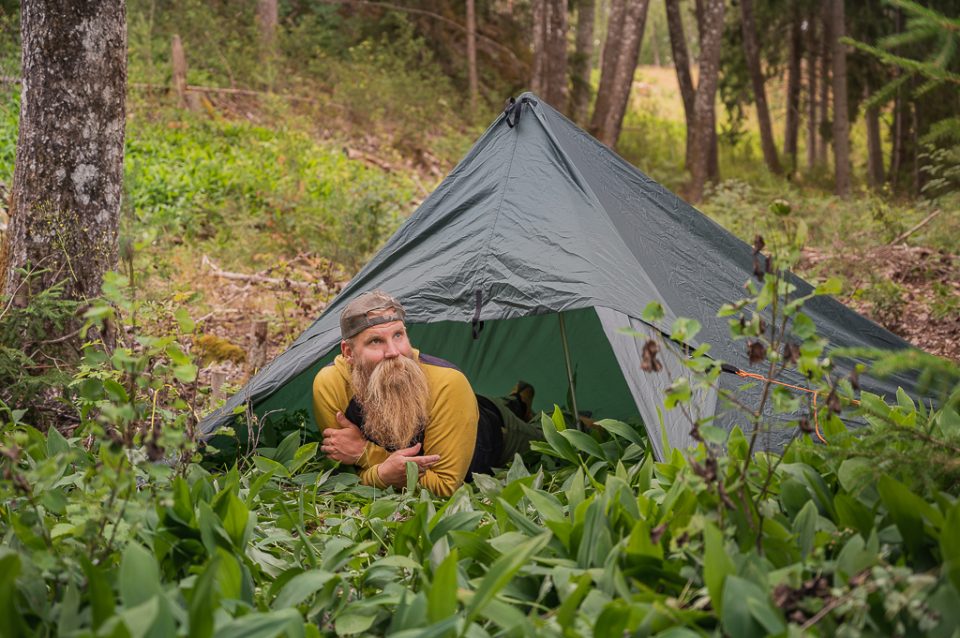
With a trekking pole, a tarp becomes a windproof and waterproof tent.
We stock a wide range of tarps. Around 3x3 m is a typical size for a shelter tarp, while a smaller one will do as a wind and rain shelter on a day hike. There are also tarps cut specifically for use over a hammock.
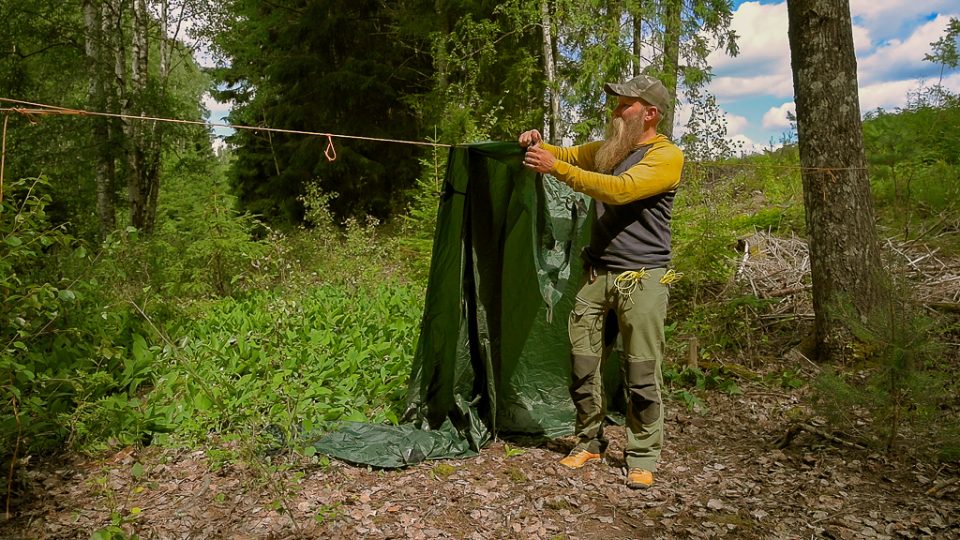
Budget tarps are made from polyester fabric with a waterproof polyurethane coating. Lighter mid-range tarps use ripstop nylon with the same PU coating. At the top end, you'll usually find silicone-treated nylon (silnylon) or ripstop Cordura.
A tarp is relatively cheap but extremely versatile. It works as a first shelter for someone new to hiking and as standard kit for experienced wild campers. You can use one in winter in sheltered spots, and in summer with or without a mosquito net. You sleep well in the fresh air, and it's hard to beat lying under a tarp watching the view and listening to the sounds around you.
Pitching a tarp
There are endless ways and styles of pitching a tarp. Here we show you one. All the photos feature the DD Hammocks Tarp 3X3. It's an affordable, durable and versatile tarp that suits many kinds of shelter and also works well as a hammock rain fly.
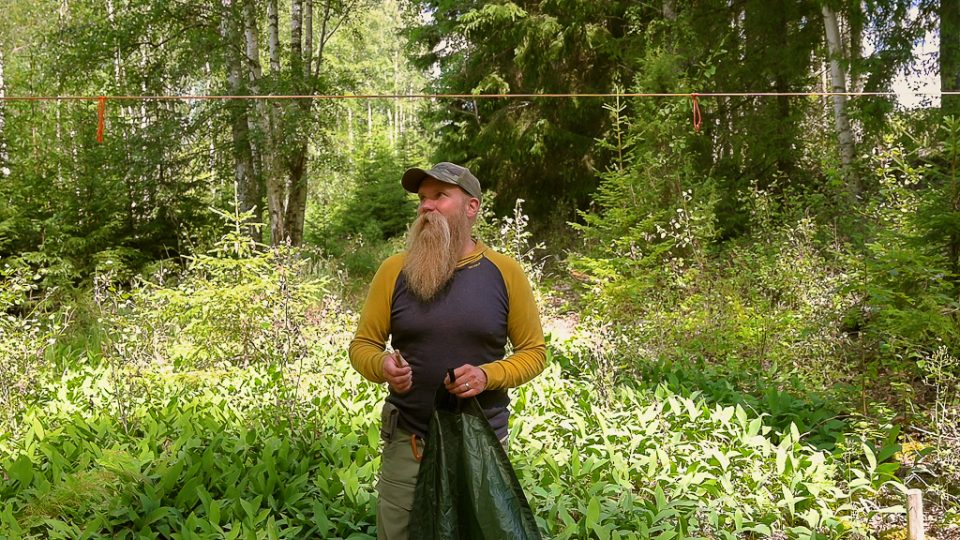
Tying the ridgeline
The easiest and most popular way to pitch a tarp is to run a ridgeline between two trees. Start by clearing the ground of the bigger branches and twigs. Get the ridgeline as tight as you can. Prusik loops let you attach the tarp to the ridgeline and slide it easily along the line.
Watch the video at the end of this post too. It shows everything from start to finish.
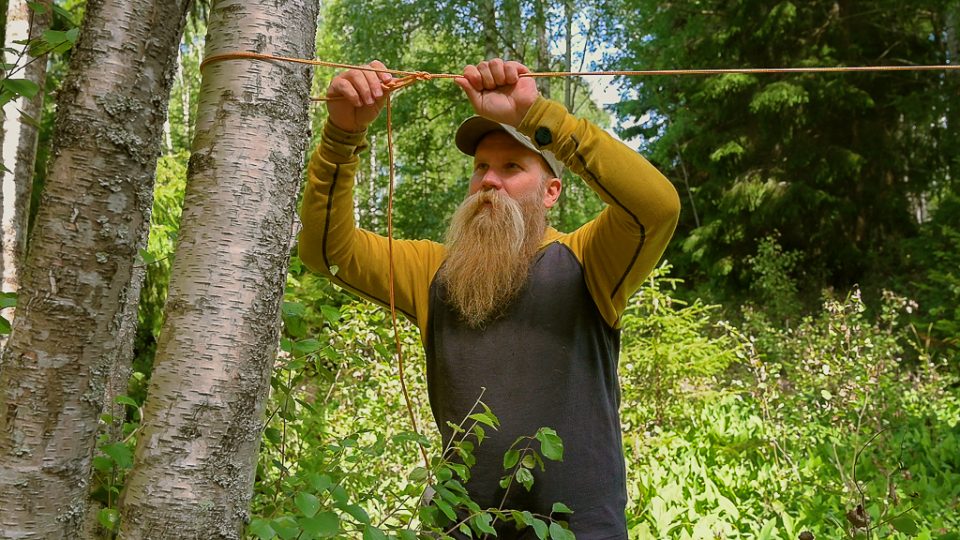
Tie one end of the ridgeline to a tree with a slip knot, then pull the other end taut.
Making a prusik loop and tying a prusik knot
Climbers and whitewater paddlers with rescue training will know the prusik loop well. You can also use prusik cord to attach a tarp to a ridgeline.
This section covers using a prusik for pitching a tarp only. Don't use it for climbing or rope rescue.
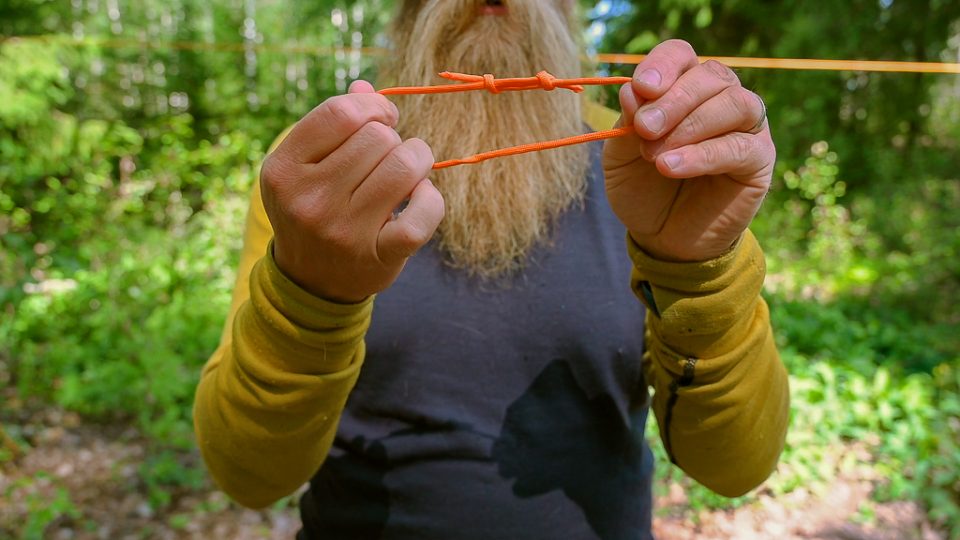
For this purpose, make the prusik loop from a piece of cord about 30 cm long. It works better if the cord is thinner than the ridgeline. Tie it into a loop with a fisherman's knot (see the video at the end). Climbing and rescue use different knots.
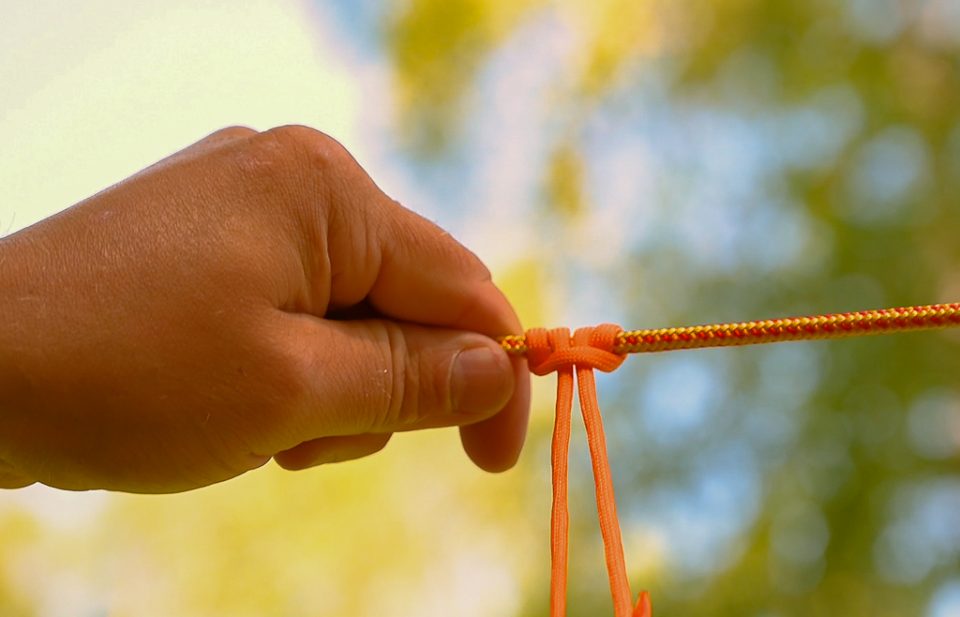
Wrap the loop around the ridgeline a couple of times. With no load on it, the prusik can now slide along the ridgeline. As soon as you pull on the loop, the knot grips and stays put.
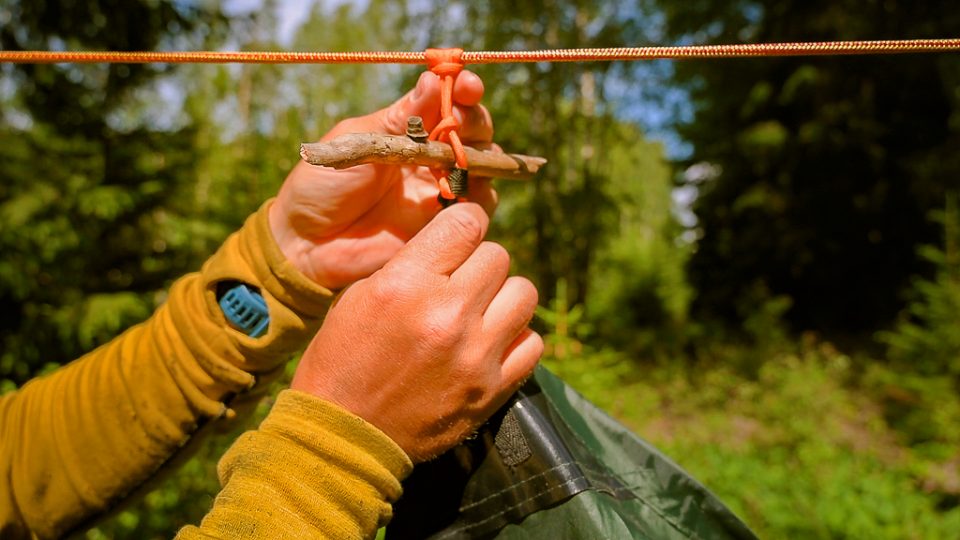
Now it's easy to attach the tarp to the loop. A small stick can help. You can tie the tarp on without prusik cord, but this trick makes adjusting it much easier. You can also leave the prusik loops on the ridgeline so they're ready for next time.
Pitching a tarp with and without a ridgeline
With the tarp attached to the ridgeline, you can pitch it in countless ways. A ridgeline lets you make various lean-tos and A-frames.
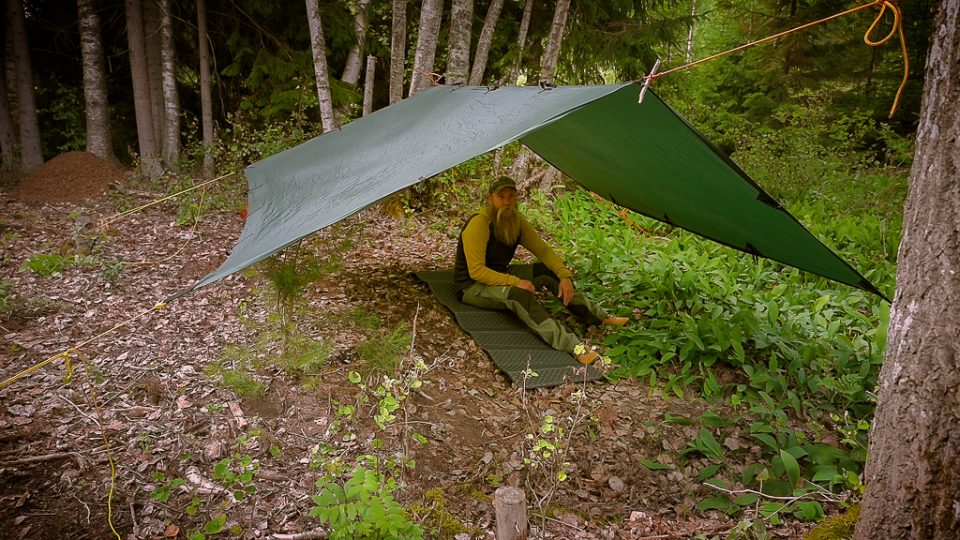
The video below shows four different ways to make a lean-to, plus a few other shelters. It also covers tensioning the ridgeline and making and using prusik cords.
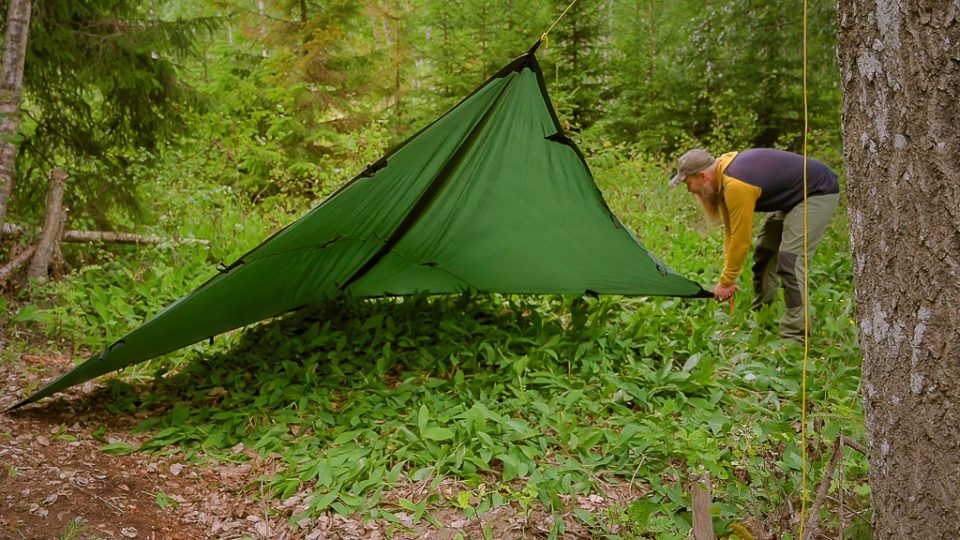
You can also pitch a loue-style shelter with just one tree. Tie one corner to the tree, peg the opposite corner to the ground, and stake out the sides by their corners. There are plenty of variations on this setup too.
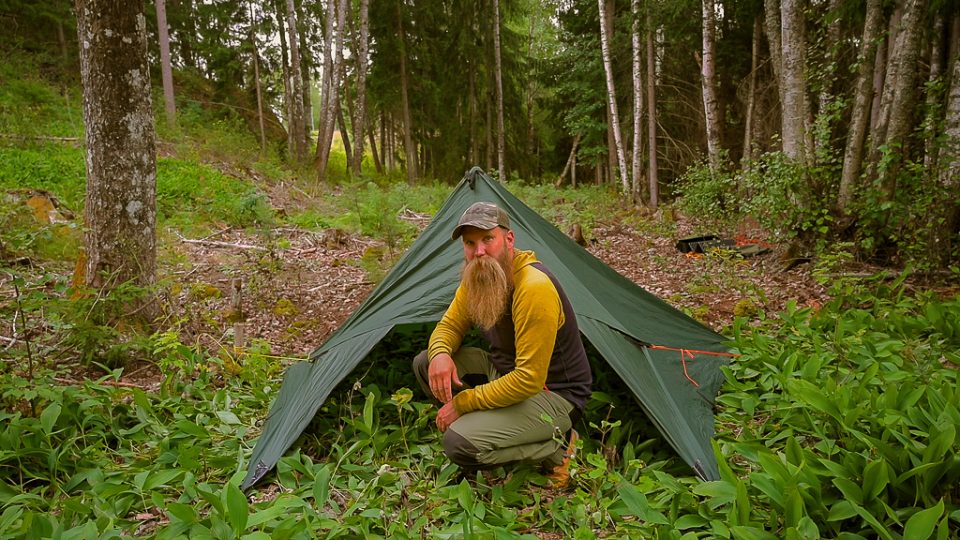
If there are no trees, use two trekking poles or sticks instead of a ridgeline. You can also turn a tarp into a tent, using a trekking pole, a paddle, a tripod or a stick for support. Just keep the tarp clear of sharp objects so it doesn't tear.
Watch the tarp pitching video here.
Happy tarping from all of us at Scandinavian Outdoor.